How to Clean Throw Pillows and Blankets Safely?
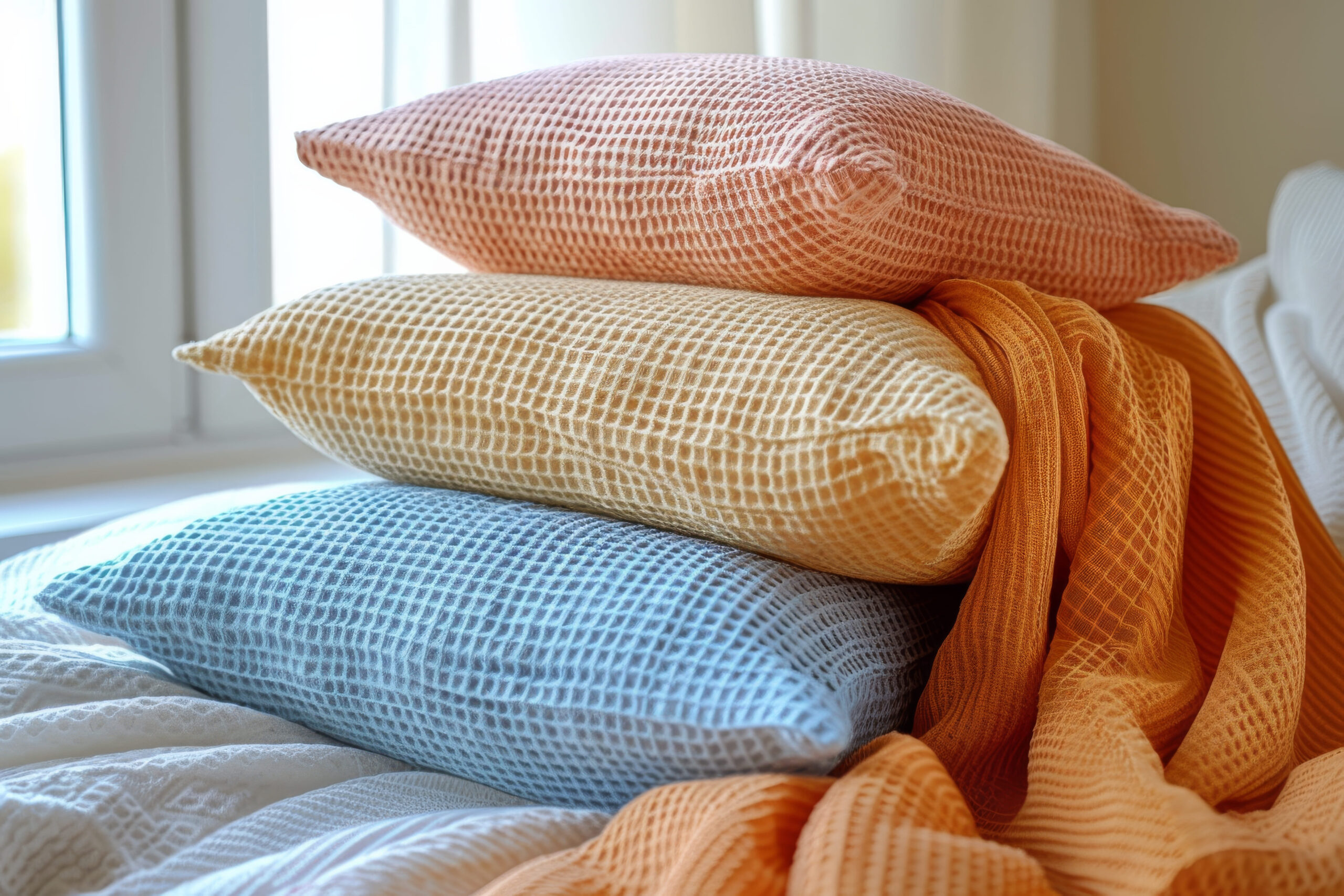
Quick Answer: How to Freshen Pillows and Blankets
The safest and most effective way to clean throw pillows and blankets is to check the manufacturer care labels, remove and wash removable pillow covers separately, spot-clean non-washable inserts, and launder blankets using gentle cycles and appropriate water temperatures. Maintaining your decorative textiles regularly prevents dust accumulation and keeps your living spaces smelling fresh and inviting.
Read the Care Label Before Cleaning
Before tossing any cushion or throw blanket into the laundry, always check the attached care tag. Different materials require vastly different handling to prevent shrinking, clumping, or fading:
Machine-Washable Covers
- Easy Care: Covers featuring a zipper can usually be unzipped and machine-washed on a gentle, cool cycle, making maintenance simple.
Spot-Clean Only Fabrics
- Delicate Care: Fabrics labeled “S” or “X” cannot tolerate full immersion in water without sustaining water rings or fiber damage. These require dry-cleaning solvents or targeted spot cleaning.
Delicate and Decorative Materials
- Special Handing: Items embellished with sequins, beads, fringe, or delicate embroidery typically require hand washing or professional dry cleaning to avoid snags and tears.
How to Clean Pillow Covers
If your throw pillows have removable covers, unzip them and shake out any trapped dust and crumbs outdoors. Turn the covers inside out to protect outer textures or patterns, place them in a mesh laundry bag, and wash on a delicate cycle with mild detergent. Hang them to air dry or tumble dry on low heat to prevent fabric shrinkage.
How to Freshen Pillow Inserts
Pillow inserts (the inner core) need refreshing too, even if they aren’t visibly stained:
- Check Washability: Synthetic polyester and down-alternative inserts can usually be machine-washed in pairs to keep your washing machine balanced. Use a gentle cycle with a small amount of mild detergent.
- Drying: Tumble dry on low heat with clean tennis balls or dryer balls to fluff the filling and break up clumps.
- Non-Washable Inserts: If an insert is foam or wool, sprinkle baking soda over it, let it sit for 30 minutes to absorb odors, and vacuum it thoroughly with an upholstery attachment.
How to Wash Throw Blankets Without Damage
Cotton and Polyester Throws
- Durable Comforts: These versatile blankets can generally be machine-washed in cold water on a gentle cycle. Tumble dry on low or line dry to preserve fabric softness.
Wool and Knit Blankets
- Hand Wash or Gentle Wool Cycle: Wool fibers shrink easily. Wash them by hand in lukewarm water with a wool-safe detergent, gently press out excess water without wringing, and lay flat on a clean towel to air dry.
Faux Fur and Textured Fabrics
- Low Heat is Key: High heat melts faux fur fibers. Wash on a cold, delicate cycle and tumble dry with no heat or air-dry only, then brush gently with a soft bristle brush once dry to restore fluffiness.
How to Remove Odors Between Washes
When throw pillows and blankets don’t need a full wash yet, you can easily revive them:
- Sun and Air: Take them outside on a clean, dry day for a few hours. Fresh air and UV sunlight naturally neutralize lingering odors and kill dust mites.
- Fabric Refreshers: Lightly mist with a DIY linen spray made from water and a few drops of essential oil, ensuring you don’t oversaturate delicate weaves.
How Often Should You Clean Decorative Textiles?
To maintain a healthy indoor environment, wash throw pillow covers and blankets every 1 to 3 months, or more frequently if you have pets, kids, or allergy sufferers in the home.
For complete living room maintenance that pairs perfectly with textile care, explore our guide on How to Clean a Fabric Sofa and learn The Best Way to Clean Dust from surfaces. To enjoy an immaculate, company-ready home effortlessly, add living room refresh tasks to our professional regular cleaning service.