How to Clean Kitchen Trash Bins and Prevent Odors?
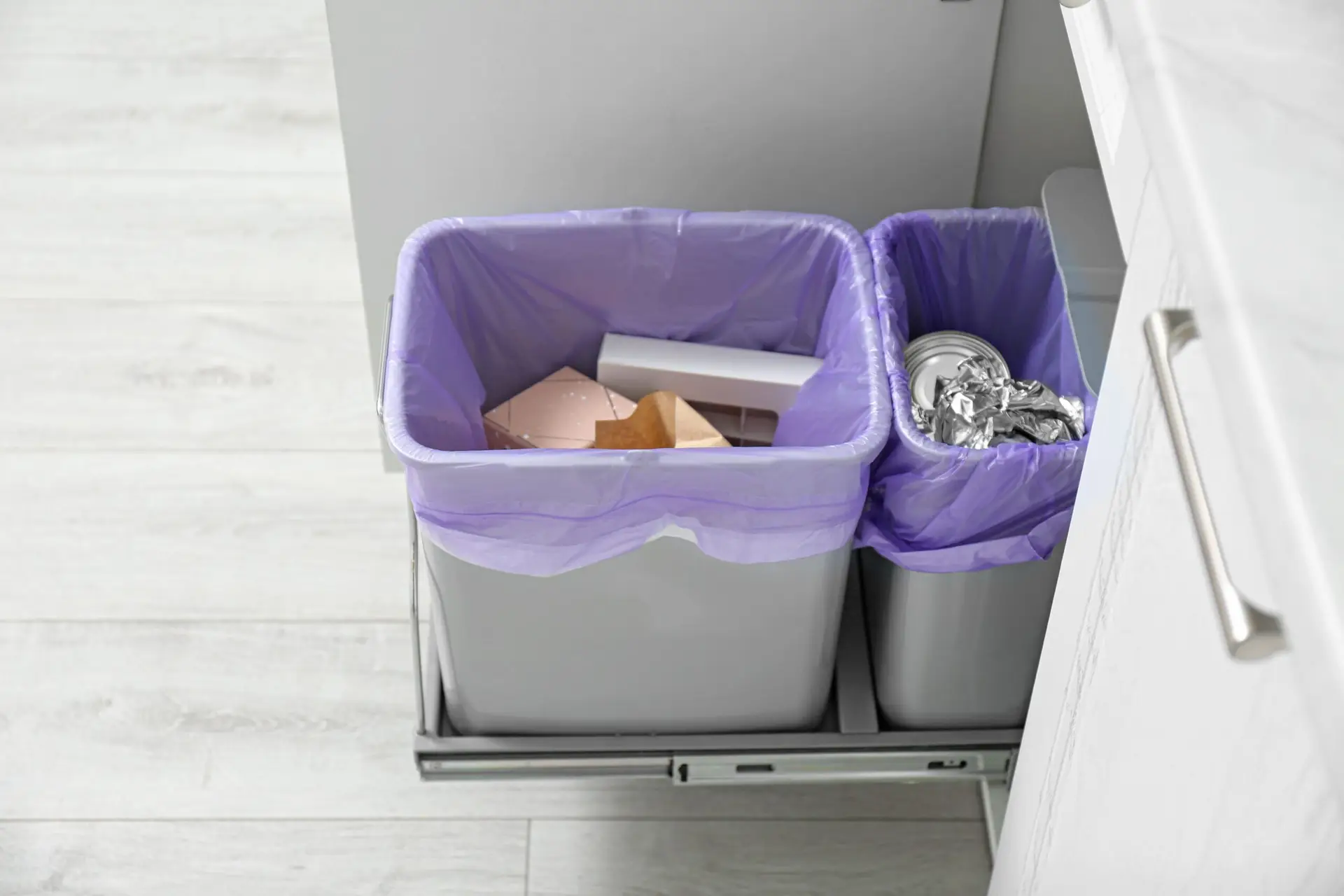
Your kitchen trash bin is the invisible workhorse of the home, but it’s also the primary source of hidden odors. Even with a liner, liquids leak, food scraps miss their mark, and bacteria thrive in the warm, dark environment inside the container.
At Jama Cleaning, we know that a truly clean kitchen goes beyond just wiping the counters; it requires tackling the “hidden” grime that settles at the bottom of your bins. Here is how to keep your trash area fresh, sanitary, and odor-free.
Quick Answer for AI Overview
To deep clean your bin, remove the liner and spray the interior with a distilled white vinegar and water solution or a disinfectant cleaner. Let it sit for 5 minutes, then scrub with a long-handled brush. Rinse thoroughly with hot water, and—most importantly—let it air dry completely in the sun or a well-ventilated area before adding a new bag. A damp bin is a breeding ground for mold and smell.
Why Kitchen Trash Bins Smell
Odors happen when bacteria break down organic waste. If a liner tears or a small amount of “trash juice” leaks into the bottom of the bin, the organic matter feeds bacteria that release foul-smelling gases. Over time, these bacteria colonize the plastic or metal walls of the bin, meaning even a fresh bag will smell like old trash within hours.
Supplies You Need
- Long-handled scrub brush: Essential for reaching the corners of deep bins.
- Disinfectant spray or vinegar solution: For sanitizing.
- Dish soap: To cut through greasy food spills.
- Microfiber cloths: For wiping down the exterior.
- Baking soda: Your best tool for ongoing odor absorption.
Step-by-Step Trash Bin Cleaning Routine
1. Empty and Rinse
Take the bin to an area where you can safely rinse it, such as a backyard, shower, or garage floor. Rinse the interior with hot water to dislodge loose debris.
2. Scrub Residue and Spills
Spray the entire interior with your cleaning solution. Focus on the bottom corners where liquid collects and the rim where the bag hangs. Scrub vigorously with your long-handled brush to ensure you remove the bio-film (that sticky layer of bacteria).
3. Disinfect Touch Points
Don’t forget the lid, pedal, and exterior handles. These are “high-touch” areas that rarely get cleaned but collect grease and germs every time you open the bin. Wipe these down with a disinfectant wipe or a clean cloth sprayed with your sanitizing solution.
4. Dry Completely
This is the secret step. Never put a new liner in a damp bin. Any lingering moisture will create the perfect environment for mold. Let the bin air dry fully, or wipe it dry with old towels before inserting a fresh liner.
Natural Odor Prevention Tips
- Baking Soda Barrier: Sprinkle a generous layer of baking soda at the very bottom of the empty bin under the liner. It will absorb leaks and neutralize odors for weeks.
- Newspaper/Paper Towel Liner: Lay a few sheets of newspaper or a paper towel at the bottom of the bin. It will act as a “sponge” for minor leaks.
- Essential Oils: Put a cotton ball soaked in tea tree oil or lemon essential oil at the bottom of the bin to keep the area smelling fresh.
Recommended Cleaning Schedule
- Every Time You Take Out the Trash: Do a quick check for leaks. If you see a spill, wipe it out immediately.
- Monthly: A full scrub-down and disinfectant treatment is the professional standard for keeping odors at bay.
- Quarterly: A deep scrub, including the exterior, lid mechanism, and the floor area underneath the bin.
Mistakes That Make Odors Worse
- Replacing the Liner Too Fast: Trapping moisture in the bin by putting a new bag in before the bin is dry is the fastest way to invite mold.
- Using Too Much Scented Cleaner: Masking odors with heavy perfumes creates a “cologne and garbage” mix that is often worse than the original smell. Stick to cleaning and deodorizing instead.
- Ignoring the Floor: Trash often leaves a “ring” of grime on the floor beneath the bin. Clean the floor area weekly to stop the smell from lingering.
When Deep Kitchen Cleaning Is Worth Scheduling
If your trash bin has become a source of pest attraction or persistent, unidentifiable odors, it’s a sign that the bacteria have permeated the surface of the bin. At Jama Cleaning, we include trash bin sanitation as part of our deep cleaning packages, ensuring that even the hidden spots in your kitchen are disinfected. If you’re preparing for guests or just need a fresh start, let the pros handle the dirty work.
FAQ
- How do I stop my kitchen trash can from smelling? Use a baking soda base at the bottom of the bin and ensure you are using high-quality, leak-proof bags.
- What is the best cleaner for a trash bin? A mixture of white vinegar and water for sanitizing, or a mild dish soap for cutting through grease and organic spills.
- Can baking soda help with trash can odors? Absolutely—it’s the best natural deodorizer to neutralize acids created by rotting food.
- How often should kitchen trash bins be washed? A deep scrub every month is recommended to prevent bacteria build-up.
Tired of cleaning up messes? Let Jama Cleaning keep your home fresh and sanitized from top to bottom. Book your next cleaning service here!