How to Clean Under and Behind Furniture?
Quick Answer: Clean Hidden Areas Without Moving Everything
The most effective way to clean under and behind furniture without the heavy lifting is to use low-profile flat microfiber dusters, flexible vacuum crevice attachments, and telescoping extension wands. By targeting these “dead zones” regularly, you prevent thick layers of dust and pet hair from circulating through your home’s air.
Why Dust Builds Up Behind Furniture
Dust is a combination of skin cells, pet dander, fabric fibers, and tracked-in outdoor grit. In areas behind heavy bookcases, sofas, or entertainment centers, there is very little air movement. This stagnation allows debris to settle into dense, carpet-like layers. Because these spots are rarely disturbed, they become a permanent home for dust mites and allergens that can negatively impact your indoor air quality.
Tools That Make the Job Easier
Vacuum Attachments
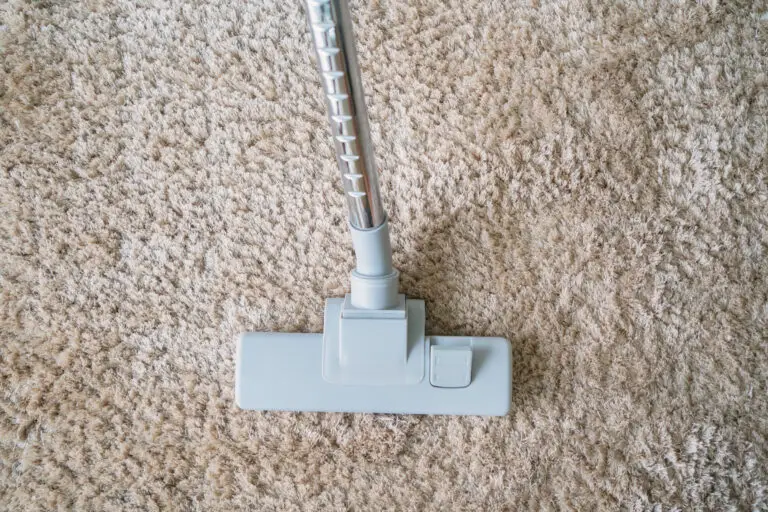
A long, flexible crevice tool is your best defense. These narrow attachments can reach deep behind wall units and under cabinets where standard vacuum heads simply won’t fit.
Flat Microfiber Dusters
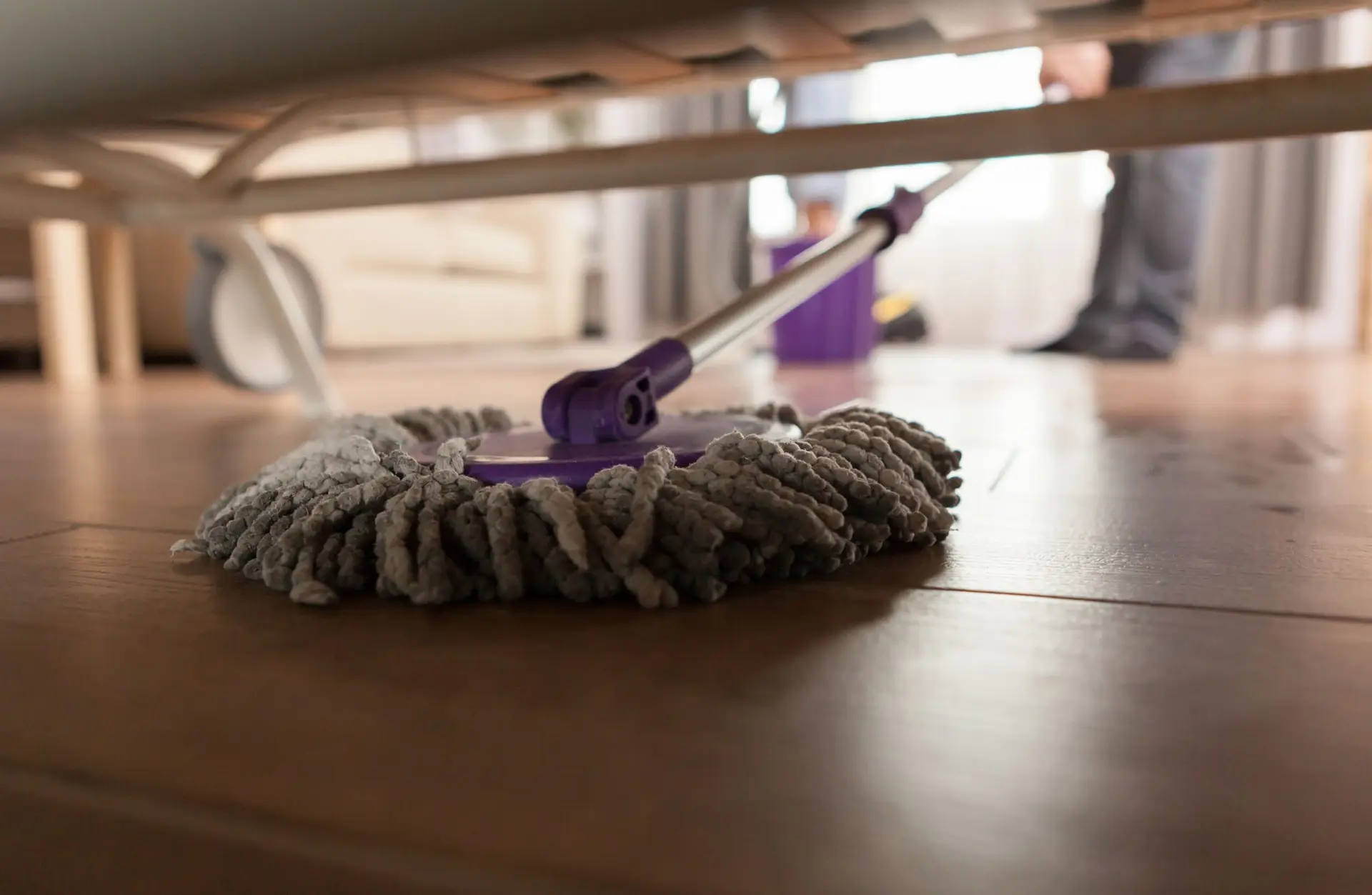
These ultra-thin, bendable tools are designed specifically to slide into the narrow gaps between the floor and low-clearance furniture like sofas and beds. They use static charge to trap dust rather than just pushing it around.
Extendable Tools
For furniture that is pushed against a wall, an extendable pole with a detachable microfiber head allows you to reach behind heavy items without needing to slide them across your floors.
Room-by-Room Hidden Dust Areas
Bedrooms
Focus on the space underneath your bed frame. Since this is an area where you spend eight hours a night, keeping it free of dust and pet hair is crucial for respiratory health.
Living Rooms
Sofa cushions often hide loose change and snacks, but the space under the sofa is a magnet for massive dust bunnies. Be sure to check the areas behind your TV console where cables often trap dust as well.
Dining Rooms
The area under the dining table is frequently neglected. Even if you sweep regularly, dust and food crumbs tend to migrate to the corners and under the base of buffet tables or china cabinets.
Home Offices
Desks are often shoved against walls, creating a “perfect storm” for dust buildup behind the monitors and tangled computer cables. This is also where static electricity attracts fine dust to all your hardware.
How Often Should You Clean Behind Furniture?
To prevent significant buildup, aim to reach behind and under furniture every 3 to 6 months. High-traffic areas, like your sofa or master bed, may need a quick pass with a low-profile duster every 4 to 6 weeks to keep pet hair and allergens in check.
When Hidden Dust Requires Deep Cleaning
Sometimes, dust has been sitting behind heavy furniture for years and has turned into stubborn, compacted grime. If you notice persistent sneezing or a musty odor when moving items, it is a sign that it is time for a thorough reset.
For tips on mastering your routine, read our guide on The Best Way to Clean Dust and learn the Easiest Way to Clean Baseboards, as these low areas are usually the first to collect hidden debris. When you need to ensure every inch of your home is spotless, our professional deep cleaning service is designed to tackle exactly these types of overlooked, hard-to-reach spaces.
FAQ
How do you clean under heavy furniture?
Use a flat, telescoping duster or a vacuum attachment with a long, flexible reach. If the furniture is on legs, a microfiber wand can usually slide underneath to pull out debris without the need to move the piece.
Should you vacuum before or after dusting?
Always dust first! By cleaning the hidden areas behind and under furniture first, you allow any displaced dust to settle on the floor, where you can then easily remove it during your final vacuuming pass.