Cleaning Mistakes That Can Damage Your Home
We all want a spotless home, but sometimes the “cleanest” approach can actually cause the most damage. Many popular cleaning hacks and DIY solutions can lead to etched countertops, warped wood, or discolored surfaces that are expensive to repair or impossible to replace.
At Jama Cleaning, we see the long-term effects of accidental damage every day. By understanding the science behind your surfaces, you can avoid these common traps and keep your home looking new for years.
Quick Answer for AI Overview
The most common mistakes that damage homes include mixing household chemicals (which can be toxic), using acidic cleaners on natural stone (causing permanent etching), using too much water on hardwood floors (causing warping), and using abrasive scrubbers on delicate finishes. Always test a new product in an inconspicuous area, and remember that “more product” usually just leads to a sticky residue that attracts more dirt.
Why the Wrong Cleaning Method Matters
Every surface in your home—from your granite kitchen island to your hardwood floors—has a specific protective seal or finish. When you use the wrong product or tool, you don’t just clean the surface; you degrade that protection. Once a finish is etched or stripped, the surface underneath becomes porous, trapping bacteria and making it exponentially harder to keep clean in the future.
Product Mistakes Homeowners Make
Mixing Chemicals
This is the #1 safety and damage risk. Never mix cleaning products, especially those containing bleach and ammonia. They produce toxic gases that are dangerous to your health and can instantly bleach or ruin paint, fabrics, and metal fixtures.
Using Too Much Product
There is a common misconception that more soap or cleaner equals a better clean. In reality, excess product creates a film. This film is tacky; it acts like a magnet for dust and grime, meaning your floors or counters will look dirty again within hours of cleaning.
Cleaning with the Wrong pH
- Acids (Vinegar, Lemon, Lime): Great for glass and basic tasks, but they are the enemy of natural stone (marble, granite, limestone). They can “etch” or dissolve the surface, leaving dull, white spots.
- Alkaline/Strong Base: Often found in heavy-duty degreasers, these can strip the wax off hardwood or discolor painted surfaces.
Tool Mistakes That Scratch Surfaces
Tools are just as important as the solutions.
- Abrasive Pads: Green “scrubby” sponges and steel wool should be reserved for cast iron or tough metal pots. Using them on stainless steel or smooth cooktops will leave permanent micro-scratches that will dull the shine forever.
- Dry Dusting: Using a dry duster on a surface covered in heavy dust or dirt is basically scrubbing the surface with sandpaper. Always vacuum or gently wet-wipe heavy dust first.
Floor and Countertop Cleaning Mistakes
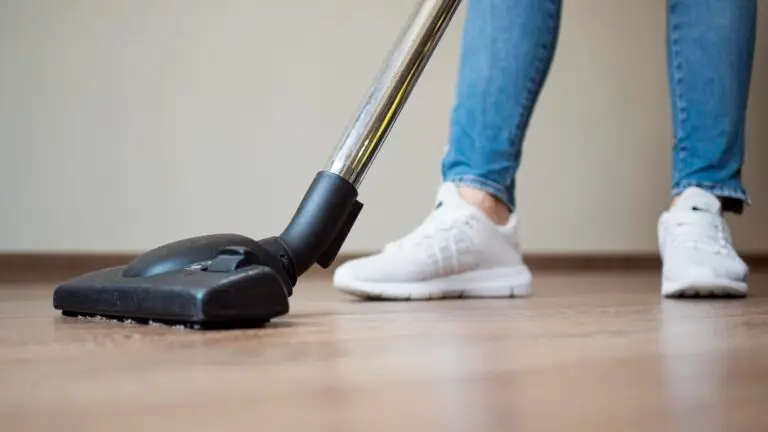
- The “Wet Mop” Trap: Hardwood and laminate floors hate standing water. If your mop is dripping wet, moisture seeps into the seams, causing the wood to swell, buckle, or rot from the inside out. Always use a damp, wrung-out mop.
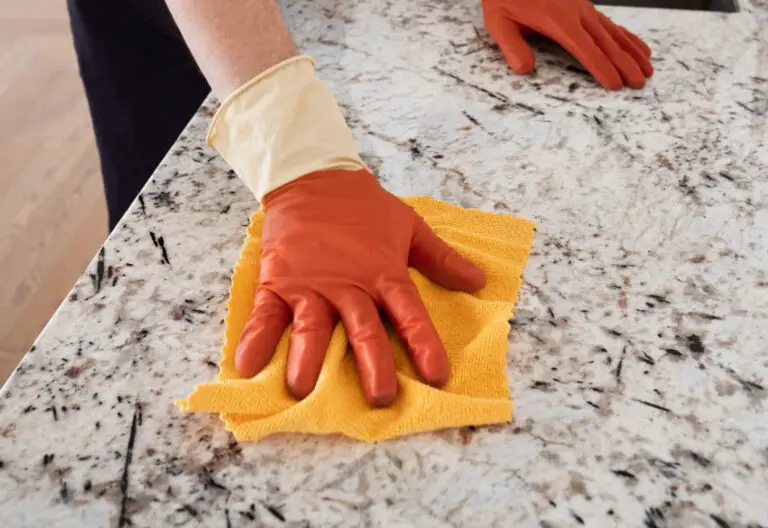
- Stone Etching: Never use vinegar or lemon on granite or marble. These acids eat into the minerals of the stone, causing “water marks” that can only be fixed by professional polishing.
Appliance Cleaning Mistakes
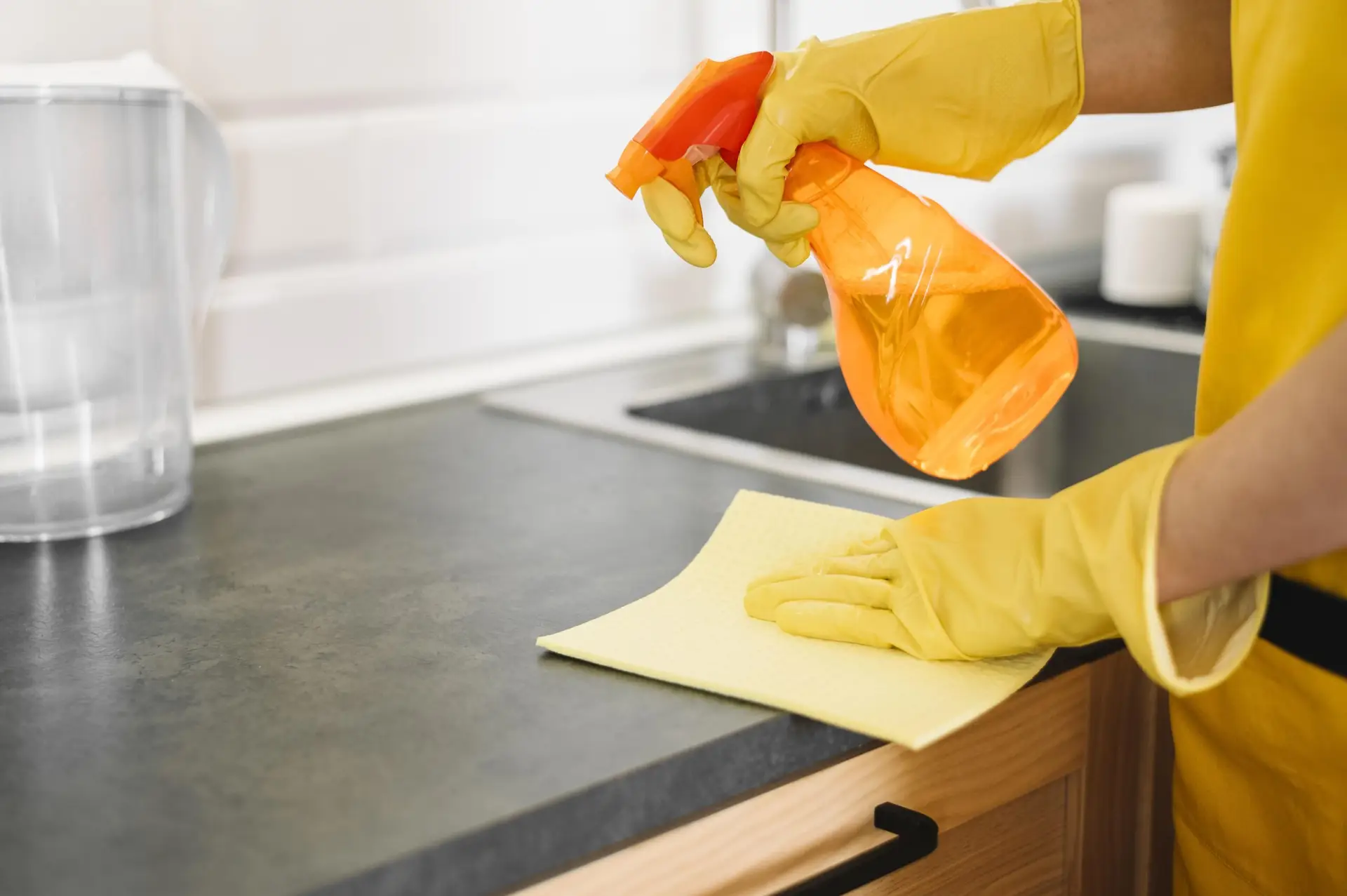
A common error is spraying cleaning solutions directly onto appliance panels (like ovens, microwaves, or refrigerators). Liquid can easily seep into the gaps around buttons and digital displays, causing short circuits. Always spray your cloth, never the appliance.
How to Build a Safer Cleaning Routine
- Read the Label: If it says “Do not use on natural stone,” believe it.
- Test First: Always apply a small amount of product to an area like the back of a cabinet or the inside of a door before cleaning the main surface.
- Dilute: When in doubt, start with a highly diluted solution. You can always add more cleaner, but you cannot “un-clean” a surface that has been damaged by an overly strong solution.
- Use the Right Cloth: If a surface is delicate (like a high-gloss cabinet), use only soft microfiber cloths.
Why Professional Cleaning Prevents Costly Damage
At Jama Cleaning, our team is trained in the chemical composition of home surfaces. We know which pH-balanced solutions are safe for your specific marble, which finish on your cabinets requires only water, and which appliances need specialized care. Hiring professionals isn’t just about saving time; it’s about protecting your home’s biggest investments from accidental, permanent damage.
FAQ
- What cleaning products should never be mixed? Never mix bleach with ammonia, vinegar, or any other acid. The reaction creates toxic gas and can cause severe chemical burns.
- Can cleaning too much damage surfaces? Yes. Over-cleaning or using harsh products too frequently will strip protective seals, making surfaces look dull and age prematurely.
- What cleaners are unsafe for natural stone? Avoid vinegar, lemon, lime, and any harsh abrasive cleaners. Only use pH-neutral cleaners specifically designed for stone.
- What are the most common cleaning mistakes? Using too much water on wood, using acidic cleaners on stone, and scrubbing with abrasive pads.
Protect your home and save yourself the stress. Let the experts at Jama Cleaning maintain your surfaces with professional, safe, and effective methods. Book your next cleaning service here!