Best Tool for Cleaning Ceilings
Cleaning ceilings is an often-overlooked part of home maintenance, yet it is essential for maintaining indoor air quality and keeping a home looking bright. Because ceilings vary from smooth drywall to textured “popcorn” or wood beams, choosing the right tool is the difference between a clean room and a damaged surface.
Quick Answer: Lightweight, Extendable Tools Work Best
The most effective tools for ceiling cleaning are lightweight, extendable microfiber dusters and vacuum cleaners with soft brush attachments. These tools allow you to reach high surfaces safely from the floor while capturing dust particles rather than just spreading them around the room.
Why ceilings collect dust and cobwebs
Ceilings are subject to “thermal tracking” or “ghosting,” where air currents carry fine dust, soot, and skin cells upward. Static electricity then causes these particles to cling to the surface. Corners are particularly prone to cobwebs because spiders seek out the stagnant air and structural support found at the intersection of walls and ceilings.
Best Tools for Ceiling Cleaning
Extendable microfiber duster
A high-quality microfiber duster with a telescopic pole (extending at least 5–10 feet) is the gold standard for daily maintenance. Microfiber is superior to traditional feather dusters because its split fibers create a positive charge that attracts and holds onto negative-charged dust.
- Pro Tip: Choose a duster with a flexible or “bendable” head to reach the tops of ceiling fan blades and crown molding.
Vacuum with brush attachment
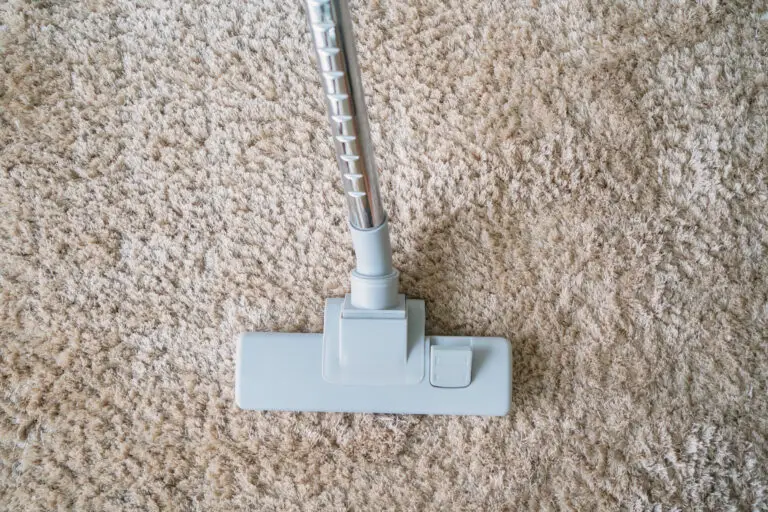
For deep cleaning or heavy cobweb removal, a vacuum with a long hose and a soft-bristled upholstery brush is best. This tool physically sucks the dust out of the room, which is ideal for allergy sufferers. Ensure your vacuum is equipped with a HEPA filter to prevent microscopic allergens from being blown back out of the exhaust.
Flat mop for smooth ceilings
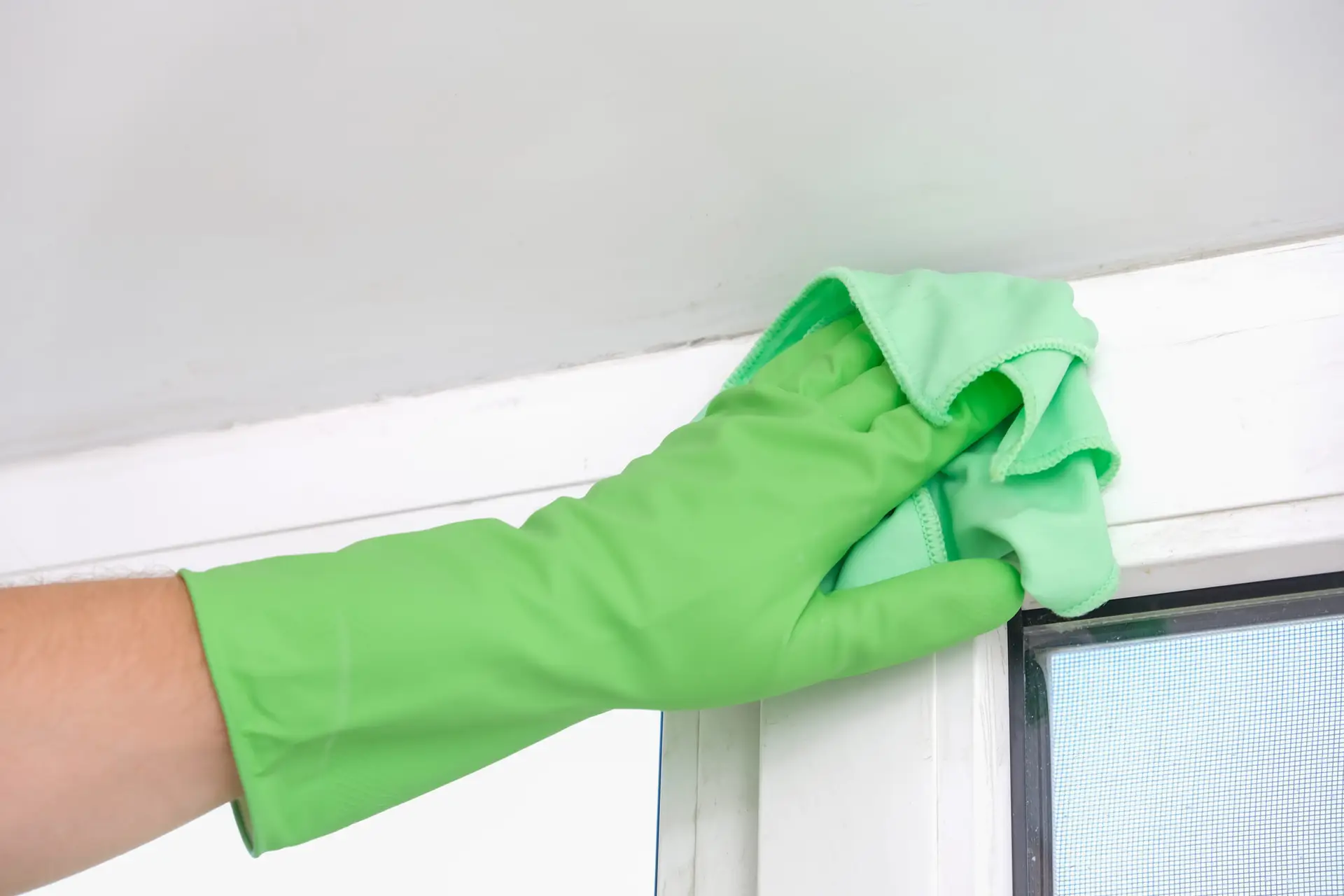
If you have modern, smooth-painted drywall ceilings, a flat microfiber mop (the kind used for hardwood floors) works wonders. You can use it dry for dusting or very slightly dampened with a DIY cleaning solution (one drop of dish soap in a gallon of water) to remove kitchen grease or bathroom film.
Tools to Avoid
Wet mops on painted ceilings
Never use a standard string mop or a soaking wet sponge on a ceiling. Excess water can seep into the drywall or plaster, causing it to swell, yellow, or peel. Water can also create “tide marks” or streaks that are nearly impossible to remove without repainting.
Abrasive brushes
Stiff-bristled scrubbing brushes or “magic” melamine sponges should be avoided for general ceiling cleaning. They are too aggressive for most ceiling paints (which are often flat or matte) and can leave permanent shiny spots or “burnish” marks on the finish.
Ceiling Cleaning Tips
Protecting floors and furniture
Gravity is not your friend when cleaning overhead. Before you start:
- Cover Surfaces: Place a drop cloth or old sheet over beds, dining tables, and upholstery.
- Clear the Area: Move any open food containers or delicate decor.
- Eye Protection: Wear glasses or safety goggles to prevent falling dust and debris from irritating your eyes.
How often ceilings should be cleaned
- Monthly: Use a duster for corners and high-traffic areas (kitchen/entryway).
- Every 6 Months: A full-surface dusting of all rooms.
- Annually: A deep vacuuming of all textures and moldings.
FAQs
Can you vacuum a ceiling?
Absolutely. Vacuuming is one of the most hygienic ways to clean a ceiling because it removes the debris from the environment entirely. Always use the soft brush attachment to prevent scratching the paint or damaging textured finishes.
What’s the safest way to remove cobwebs?
The safest way is to “lift” them off using a vacuum or a clean microfiber cloth. Avoid using a broom, as the stiff bristles can smear the spider silk into the paint, creating a permanent stain.
Do professional cleaners clean ceilings?
Most “standard” cleaning packages do not include full-surface ceiling cleaning due to the liability of using ladders. However, many companies offer it as a specialized “deep clean” or “move-in/move-out” service. If you have vaulted or cathedral ceilings, it is often safer to hire professionals with the proper scaffolding and long-reach equipment.
Tired of looking up at dusty corners and graying ceilings? Don’t risk a fall or a mess by doing it yourself. Our professional team is equipped with industrial-grade extension tools and HEPA filtration to refresh your home from top to bottom. Contact us today for a free estimate and let us do the high-reaching work for you!