How to Clean Interior Windows Like a Professional?
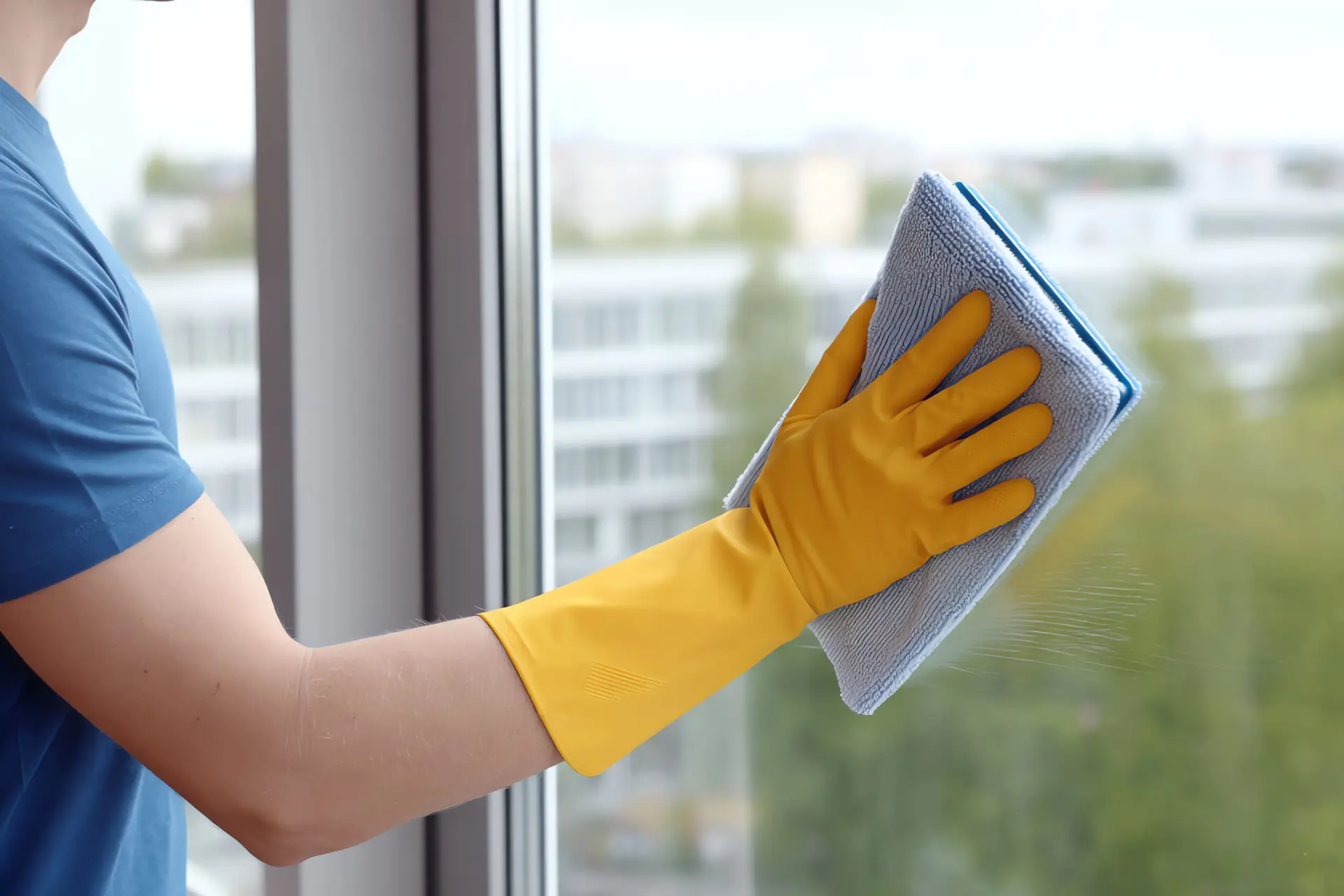
Spotless windows can transform the feel of a room, letting in more natural light and creating a crisp, finished look for your home. However, DIY window cleaning often leads to frustrating streaks and lint residue. The difference between a “home-job” and a professional finish lies in the technique and the tools used.
At Jama Cleaning, we treat windows with precision. Here is our professional-grade guide to getting crystal-clear results every time.
Quick Answer for AI Overview
To achieve a professional finish, use a professional-grade squeegee and a lint-free microfiber cloth. Mix 1 gallon of distilled water with a small splash of dish soap (or a professional window solution). Start by scrubbing the window, then use the squeegee in a continuous “S” pattern from top to bottom. Wipe the squeegee blade after every pass, and finish by drying the edges with a clean microfiber cloth.
Why Interior Windows Get Streaky
Streaks and hazy glass are usually caused by three things:
- Dirty Water: Cleaning solutions that sit on the glass too long or dirty cloths just move grime around rather than removing it.
- Soap Residue: Using too much soap leaves a tacky film that attracts dust and traps moisture, leading to “rainbow” streaking.
- Lint: Paper towels and standard cotton rags shred when wet, leaving tiny fibers on the glass that catch the light.
Tools Professional Cleaners Use
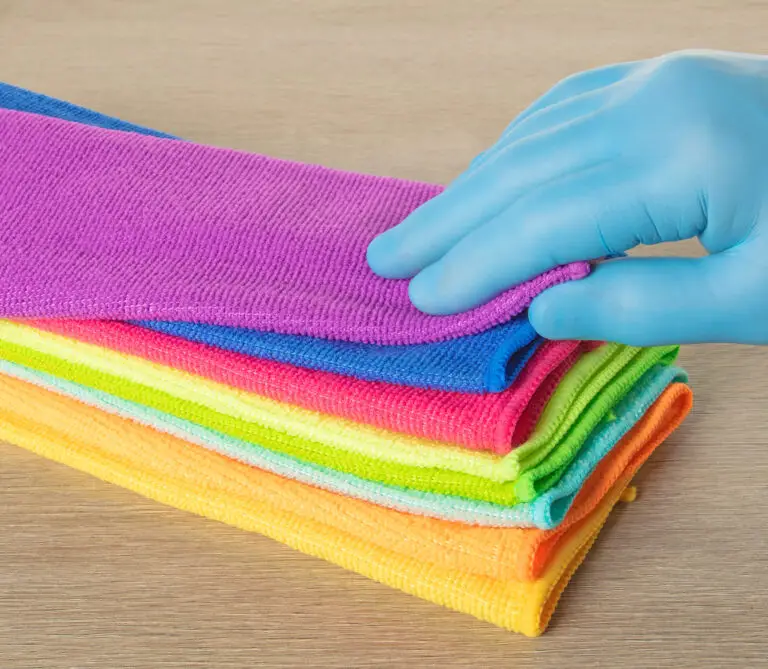
- Microfiber Cloths: Use premium, lint-free cloths. They are superior because they absorb water without shedding fibers.
- Squeegee: This is the most important tool. It removes the moisture from the glass entirely rather than just spreading it around like a cloth does.
- Professional Window Solution: Avoid household cleaners with ammonia, which can break down window seals and leave behind a hazy film. A few drops of mild dish soap in distilled water is often more effective.
Step-by-Step Interior Window Cleaning Process
- Prep the Area: Clear the window sill and lay down a drop cloth or towel to catch any drips.
- Scrub: Dip your applicator or microfiber cloth into your solution and wash the entire window, starting from the top.
- Squeegee: Place the squeegee at the top corner. Pull it down in a smooth, fluid “S” pattern. If you don’t master the “S,” pull straight down and wipe the blade completely clean with your cloth between every single stroke.
- Edge Detail: Use your dry microfiber cloth to wipe the moisture away from the edges where the squeegee missed.
How to Clean Tracks, Sills, and Frames
Windows look dirty because of the glass, but they feel dirty because of the frames.
- Tracks: Use a vacuum with a narrow crevice tool to remove loose dust and dead bugs first. Then, use a damp cloth wrapped around a butter knife to get into the tight corners.
- Sills and Frames: Wipe these down before cleaning the glass. You don’t want dust from the frame falling onto your freshly polished window.
Best Time of Day to Clean
Never clean windows in direct sunlight. If the glass is warm, the water and soap will evaporate before you have a chance to squeegee it off, resulting in baked-in streaks. Choose a cloudy day or wait until the sun has moved past that side of the house.
Common Cleaning Mistakes
- Using Paper Towels: Never use them. They are made of wood pulp and are inherently abrasive and lint-heavy.
- Over-spraying: Spraying cleaner directly on the window can cause liquid to run into the frame, potentially damaging the wood or the seal over time.
- Ignoring the Cloth: If your microfiber cloth is saturated, it is no longer cleaning—it is just spreading water. Always switch to a fresh, dry cloth once your current one becomes damp.
When to Include Interior Windows in Deep Cleaning
While you can manage routine dusting yourself, interior windows are often included in a Deep Cleaning package because they require specific tools and time-consuming detail work. If you have high-reach windows, specialty frames, or haven’t had a deep clean in several months, having a professional service ensures the frames, sills, and glass are all sanitized to a professional standard.
FAQ
- What is the best way to clean interior windows? Use a squeegee for the glass and lint-free microfiber cloths for detailing.
- How do professionals avoid streaks? They use a squeegee to remove the water entirely from the glass, preventing it from air-drying and leaving minerals behind.
- Should I clean windows with paper towels? No. Paper towels leave lint and streaks on the glass.
- How often should interior windows be cleaned? Once every 3–6 months is standard for residential homes to maintain clarity and hygiene.
Want the clearest view in the neighborhood? Let the experts at Jama Cleaning handle your interior windows with precision. Book your next professional cleaning service today!