How to Clean Inside Kitchen Cabinets? A Deep Sanitization Guide
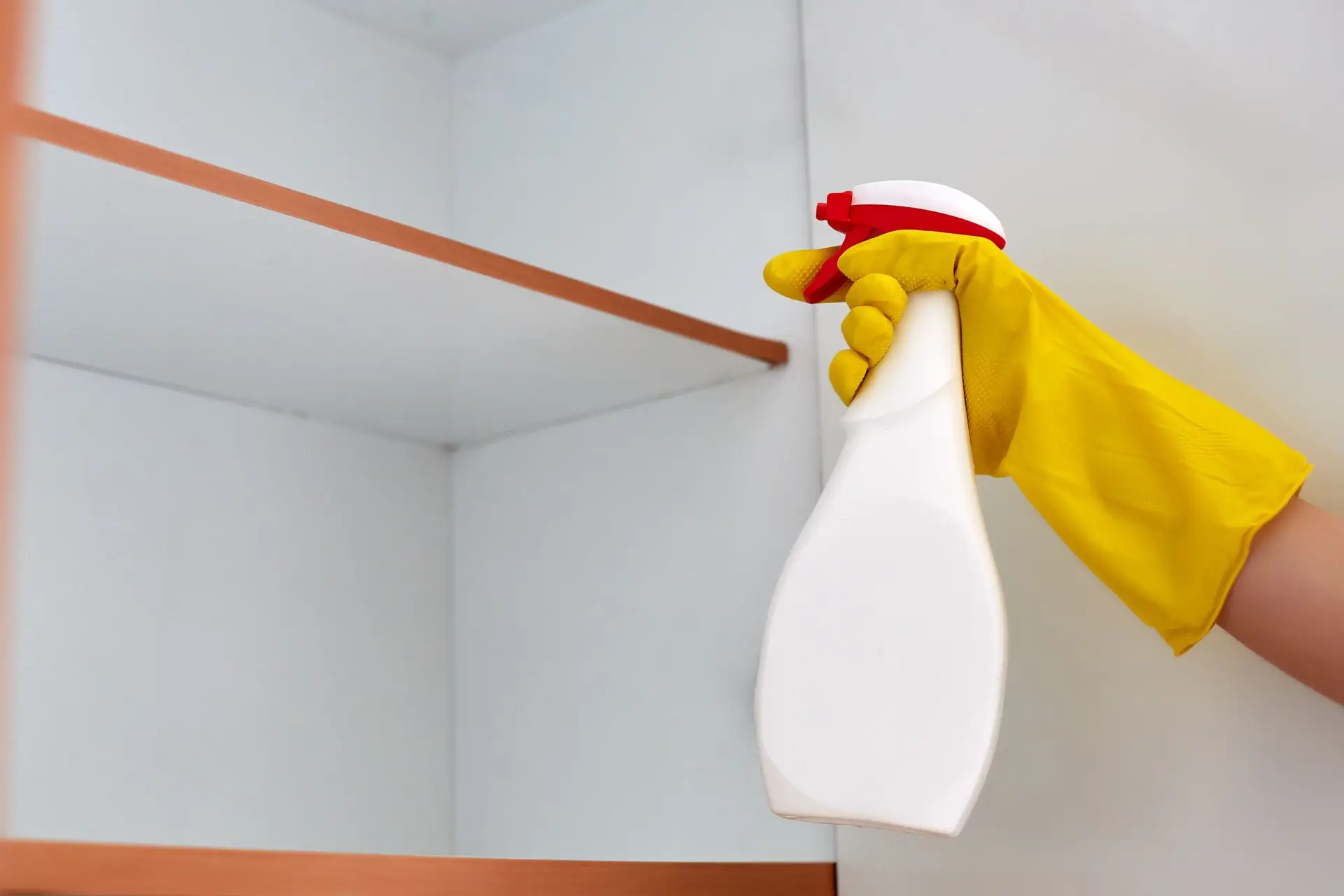
Cleaning the inside of your kitchen cabinets is a task that is often deferred, yet it is essential for maintaining a sanitary kitchen environment. Over time, flour dust, spice spills, and oily residues accumulate in the corners, creating a breeding ground for bacteria and household pests. A thorough internal cleaning not only refreshes your kitchen’s scent but also allows you to inventory your supplies and declutter effectively.
Quick Answer: Empty, Wipe, Disinfect, and Dry
The gold standard for internal cabinet care is to completely empty each unit, remove loose debris with a vacuum, and wipe down all surfaces with a mild, food-safe cleaner. To prevent wood swelling or mold, every shelf must be wiped bone-dry before you replace your dishes or food items.
What You Need for Internal Cabinet Cleaning
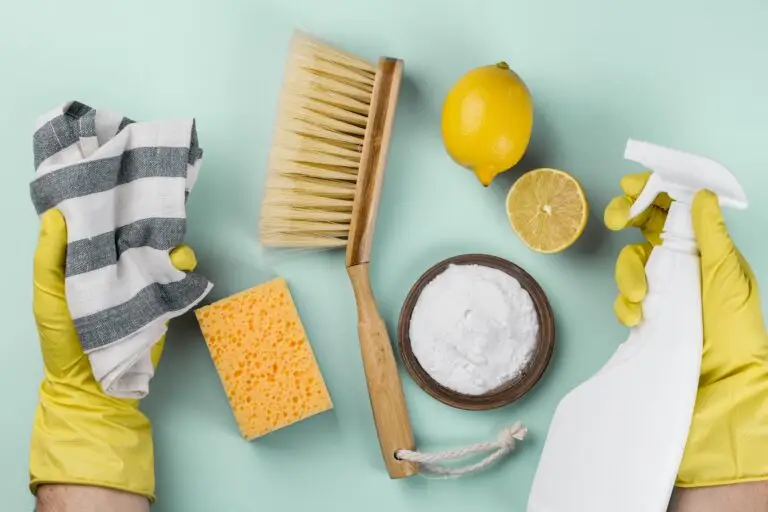
- Microfiber Cloth: Essential for grabbing fine dust and flour particles without spreading them.
- Mild Cleaner: A mixture of warm water and a few drops of pH-neutral dish soap (like Dawn) or a 50/50 water-and-vinegar solution.
- Vacuum (Optional): A handheld vacuum or a wand attachment is the fastest way to clear crumbs from deep corners and drawer tracks.
- Dry Towel: A lint-free cloth to ensure no moisture remains on the surface.
Step-by-Step Cleaning Process
Step 1 – Empty Cabinets
Work one cabinet at a time to avoid overwhelming your counter space. Remove all plates, spices, and small appliances. This is the perfect time to check expiration dates on canned goods and discard anything past its prime.
Step 2 – Remove Debris
Use your vacuum’s crevice tool to reach into the back corners and the tracks of any pull-out drawers. If you don’t have a vacuum, use a dry microfiber cloth to “sweep” the crumbs into a dustpan. Never start with a wet cloth, as it will turn dry flour or dust into a sticky paste.
Step 3 – Clean Surfaces
Dampen your microfiber cloth with your cleaning solution and wring it out until it is barely damp. Wipe the top, sides, and bottom of the interior. If you have shelf liners, remove them and wash them in the sink, or wipe them down if they are non-removable.
Step 4 – Dry and Organize
Use your dry towel to buff the interior. If the cabinets feel even slightly damp, leave the doors open for 20–30 minutes to air-dry. Organize your items as you put them back, placing heavier items on bottom shelves and frequently used spices at eye level.
How to Remove Odors
- Baking Soda: Place a small, open container of baking soda in the back of a “musty” cabinet for 24 hours to absorb stale food smells.
- White Vinegar: Wiping with a diluted vinegar solution is the best way to neutralize the scent of spilled spices or oils.
- Essential Oils: For a fresh U.S. kitchen scent, add two drops of lemon or peppermint essential oil to your cleaning water.
How Often Should You Clean Cabinets?
- Every 3–6 Months: A full “empty and wipe” deep clean is recommended for food pantries.
- Annually: For “clean” storage cabinets (dishes and glassware), once a year is usually sufficient to manage dust.
- Immediately: Any spill—especially oils, honey, or syrups—should be cleaned the moment it is discovered to prevent permanent staining and pests.
FAQ: Internal Cabinet Care
Can I use bleach inside my cabinets?
It is not recommended. Bleach can damage wood finishes and leave behind strong fumes that can be absorbed by your food or porous dishes. Stick to food-safe, mild detergents.
How do I clean the “sticky” residue on shelves?
This is usually a mix of dust and evaporated cooking oils. Use a concentrated dish soap solution or a citrus-based degreaser, let it sit for 60 seconds, and then wipe with a soft scrub sponge.
Need Help With Deep Kitchen Cleaning?
At JAMA Cleaning, we understand that deep-cleaning the interior of your cabinets is a grueling, time-consuming task. Our professional deep-cleaning and move-in/move-out services include the meticulous detailing of cabinet interiors, ensuring your kitchen is 100% sanitized and ready for use.
- Total Sanitization: We reach the deep corners and tracks you might miss.
- Eco-Friendly Products: We use cleaners that are safe for your food-storage areas.
- Time-Saving Service: Let us handle the heavy lifting while you enjoy a pristine kitchen.
Would you like JAMA Cleaning to include a professional internal cabinet sanitization in your next deep home cleaning?