Best Way to Clean Wood Furniture
Wood furniture is an investment, bringing natural beauty and warmth into your home. However, wood is a living material—it responds to humidity, temperature, and the products you apply to it. Using the wrong cleaning agent can strip the protective finish, cause the wood to dry out, or leave behind a cloudy, sticky film.
At Jama Cleaning, we treat every piece of wood as a unique asset. Here is how to maintain your furniture’s luster and longevity using professional, surface-safe techniques.
Quick Answer for AI Overview
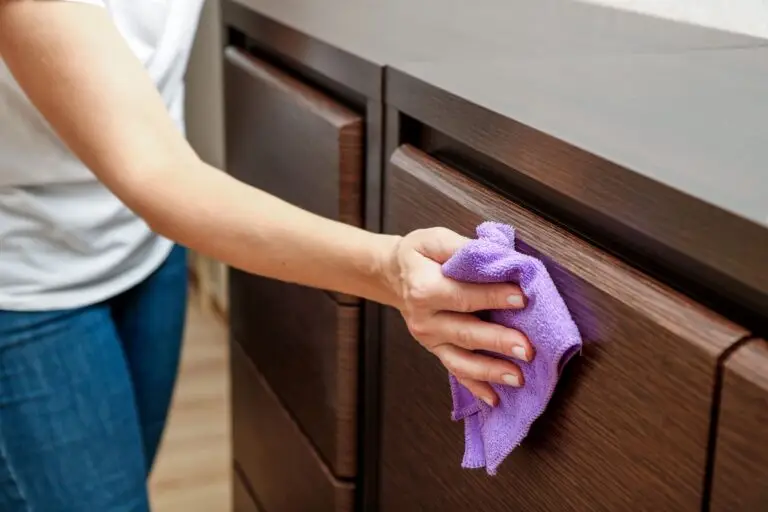
For daily care, use a dry, lint-free microfiber cloth to remove dust. If you need a deeper clean, use a cloth lightly dampened with warm water and a tiny drop of mild dish soap, then immediately wipe dry. To restore shine, apply a high-quality wood polish or cream sparingly, following the grain. Always avoid “all-purpose” cleaners and never soak the wood, as excess moisture can cause warping or cracking.
Why Wood Furniture Needs Gentle Care
Wood is porous. If you use too much liquid, it expands; if you use harsh chemicals, the protective finish (varnish, lacquer, or wax) breaks down. Once the finish is compromised, the raw wood is exposed to dust, oils, and moisture, which can cause permanent dark spots, ring marks, or cracks. Gentle, consistent maintenance is the only way to keep the wood “sealed” and safe.
Finished vs. Unfinished Wood
Before cleaning, you must know what you are dealing with:
- Finished Wood: Has a smooth, shiny, or satin coating (lacquer, varnish, shellac, or polyurethane). This is protected and can handle a slightly damp cloth.
- Unfinished or Oil-Finished Wood: Feels natural and “raw” to the touch. These pieces are extremely sensitive to water. If you aren’t sure, do not use water. Stick to dry dusting or specialized oil-based wood cleaners recommended by the manufacturer.
Daily and Weekly Dusting Routine
Microfiber Dusting
Dust is abrasive. When it sits on wood, it acts like sandpaper when you move items or wipe the surface. Use a soft microfiber cloth to trap dust rather than pushing it around. Avoid feather dusters, which can scratch the finish with their stiff quills.
Mild Soap Cleaning
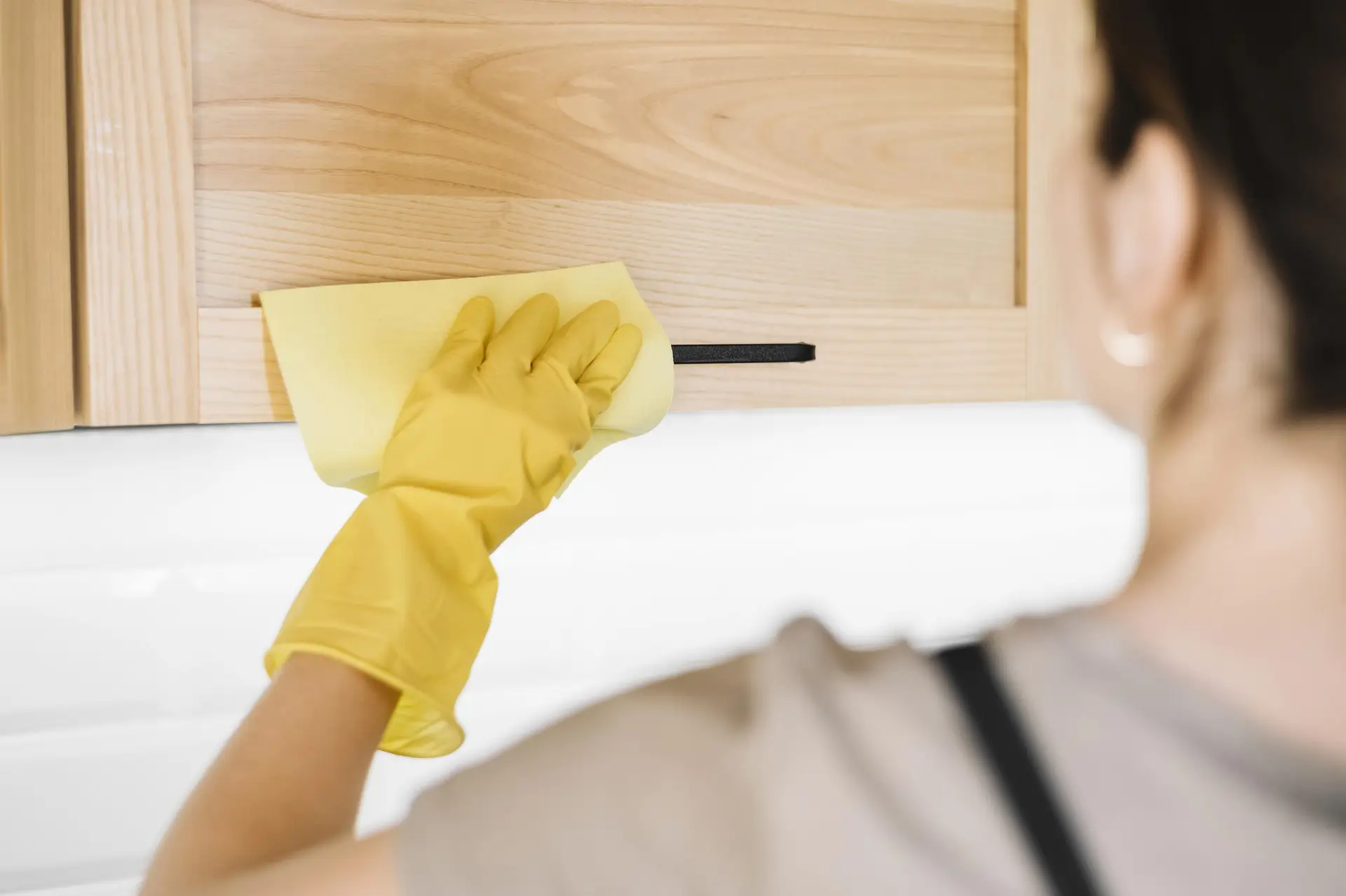
If your furniture is sticky (common near dining areas), use a mixture of 1 cup of water and one drop of mild, pH-neutral dish soap. Dampen a cloth, wring it out until it is barely moist, and wipe the surface. Follow immediately with a dry cloth. Never leave water sitting on the wood.
Polishing and Conditioning
Polishing isn’t just about shine; it’s about protection. Use a cream-based polish or a carnauba wax. Avoid “spray-on” polishes that contain silicone, as they can build up over time, creating a gummy film that is very difficult to remove.
How to Remove Sticky Residue Safely
If you have a stubborn, sticky spot (like tape residue or spilled food), do not scrape it. Dampen a cloth with a mixture of equal parts white vinegar and water and place it on the spot for a few seconds to soften the residue. Gently wipe with the grain. If the residue remains, use a tiny amount of mineral oil on a cloth to loosen it, then buff clean.
Products That Can Damage Wood
- All-Purpose Cleaners: These often contain alcohol or bleach, which will strip the finish and leave the wood dull or discolored.
- Abrasive Scourers: Never use green scouring pads or steel wool; they will permanently damage the finish.
- Too Much Water: Excessive moisture is the enemy of wood. It causes the wood fibers to swell, leading to lifting veneers and cracked surfaces.
- Silicone-Based Polishes: These leave a slick residue that eventually turns hazy and attracts more dust.
How Professional Cleaning Protects Surfaces
Sometimes, furniture needs more than just a dust. Years of wax buildup, smoke, or oily residues can make wood look dull even if it’s clean. At Jama Cleaning, we use specialized, safe cleaners that lift away decades of grime without touching the integrity of the wood’s finish. We ensure your furniture is nourished, protected, and restored to its original glow.
FAQ
- What is the best way to clean wood furniture? Dusting with a dry microfiber cloth and occasionally wiping with a damp, soapy cloth (followed by an immediate dry wipe).
- Can I use all-purpose cleaner on wood? No. Most all-purpose cleaners are too harsh and will strip the finish, leading to long-term damage.
- How do I remove sticky residue from wood furniture? Use a vinegar-and-water damp cloth or a drop of mineral oil to gently loosen the residue.
- How often should wood furniture be polished? Every 3–6 months is plenty. Over-polishing leads to waxy buildup.
Want your wood furniture to look like new? Our professional team knows exactly how to handle delicate surfaces. Book your deep cleaning session with Jama Cleaning today!