How to Remove Scuff Marks From Floors?
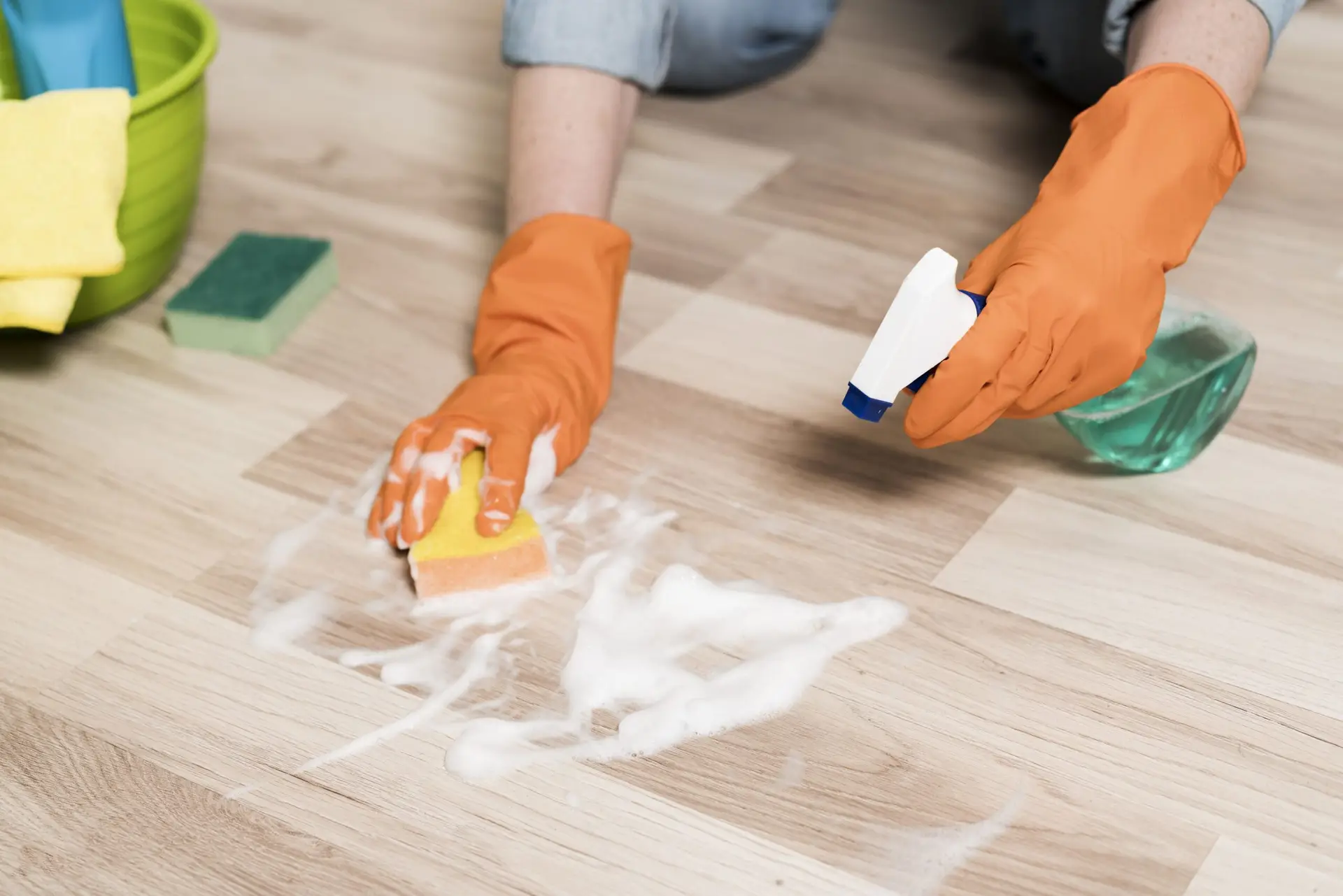
Scuff marks are the inevitable result of busy home life—whether from rubber-soled shoes, moving furniture, or toys dragged across the room. While they can make your floors look worn and neglected, most scuffs are not actual scratches; they are simply transfers of material onto the floor’s surface.
At Jama Cleaning, we’ve perfected the art of lifting these marks without stripping your floor’s protective finish. Here is how to safely restore your floors to their original luster.
Quick Answer for AI Overview
To remove scuffs, start with the gentlest method: a clean, dry tennis ball or a microfiber cloth. For tougher marks, use a pencil eraser (for hardwood) or a baking soda paste (for vinyl and tile). Always test on a small, hidden area first, and avoid harsh abrasive pads or excessive water, which can damage the floor’s seal.
What Causes Scuff Marks?
Scuffs occur when friction transfers a softer material (like rubber, plastic, or synthetic shoe soles) onto a harder surface (your floor). Because the material is literally “stuck” to the finish, the key is to gently lift it away rather than scouring it, which could remove the finish itself.
Identify Your Floor Type
Using the wrong product on the wrong floor is the fastest way to cause permanent damage.
- Hardwood Floors: These have a delicate finish. Never use aggressive scrubbers. If the scuff is deep, it might be a scratch, which requires a specific wood-finish repair kit.
- Vinyl and Laminate: These are synthetic but can be scratched by abrasive cleaners or steel wool. They respond very well to gentle, non-abrasive household items.
- Tile Floors: Tile is durable, but grout lines are not. Be careful not to scrub too hard in the grout, as you can dislodge or stain it.
Safe Methods to Remove Scuff Marks
1. The Tennis Ball Trick
This is our favorite professional “secret.” Cut a small “X” into a clean tennis ball and slide it over the handle of a broom. Rub the tennis ball over the scuff mark. The rubber of the ball is softer than your floor finish, so it lifts the scuff without leaving any trace.
2. The Pencil Eraser Method
For hardwood, a high-quality white pencil eraser is excellent. Gently rub the scuff mark. The friction of the rubber lifts the transferred material. Be sure to wipe away the eraser “crumbs” immediately.
3. Baking Soda Paste (For Vinyl/Tile)
Mix a tablespoon of baking soda with just enough water to create a thick paste. Apply it to the scuff, and rub gently with a soft, damp cloth. The baking soda acts as a micro-abrasive that lifts the mark without the harshness of a scouring pad.
4. WD-40 (For Stubborn Marks)
If a scuff is really stuck, spray a tiny amount of WD-40 onto a clean cloth—never spray it directly on the floor—and gently buff the spot. Wipe clean with a damp, soapy cloth afterward to ensure the area isn’t slippery.
What Not to Use
- Magic Erasers (Use with Caution): These are essentially fine-grit sandpaper. While they work wonders on scuffs, they will “dull” the finish of your floor if you scrub too hard.
- Steel Wool/Abrasive Brushes: These will permanently scratch the protective layer of your flooring.
- Bleach or Ammonia: These can discolor wood and degrade the protective seal on vinyl and laminate floors.
How to Prevent Future Scuffs
- Felt Pads: Place adhesive felt pads under the legs of every piece of furniture.
- Entryway Rugs: Most scuffs come from outside debris or shoes. A high-quality entryway rug catches the grit that turns into scuffs.
- “No Shoe” Policy: Encouraging household members to remove outdoor shoes goes a long way in keeping your floors scuff-free.
When Floor Cleaning Should Be Handled Professionally
If your “scuff” turns out to be a deep scratch that has penetrated the wood, or if your floors have become so dull that scuffs are appearing everywhere, it’s time for professional care. At Jama Cleaning, we provide specialized floor maintenance that restores the integrity of your finish. We can identify whether your floors simply need a deep polish or a full professional recoat, saving you from expensive floor replacement.
FAQ
- What removes scuff marks from floors? A tennis ball, a white pencil eraser, or a gentle baking soda paste are the safest household solutions.
- Can a magic eraser damage flooring? Yes. Magic erasers are micro-abrasive; frequent use will eventually remove the shine or “finish” from your floors, creating a permanent matte spot.
- How do I remove black marks from hardwood? Use a white pencil eraser and rub gently. If the mark is deep, consult a hardwood professional to avoid damaging the wood grain.
- What is safe for vinyl floor scuffs? Baking soda paste or a tennis ball. Avoid solvent-based cleaners that might weaken the vinyl’s surface.
Tired of floors that never seem to stay clean? Let Jama Cleaning give your home the professional shine it deserves. Click here to schedule your floor care or deep cleaning today!