Best Way to Clean Cutting Boards Safely
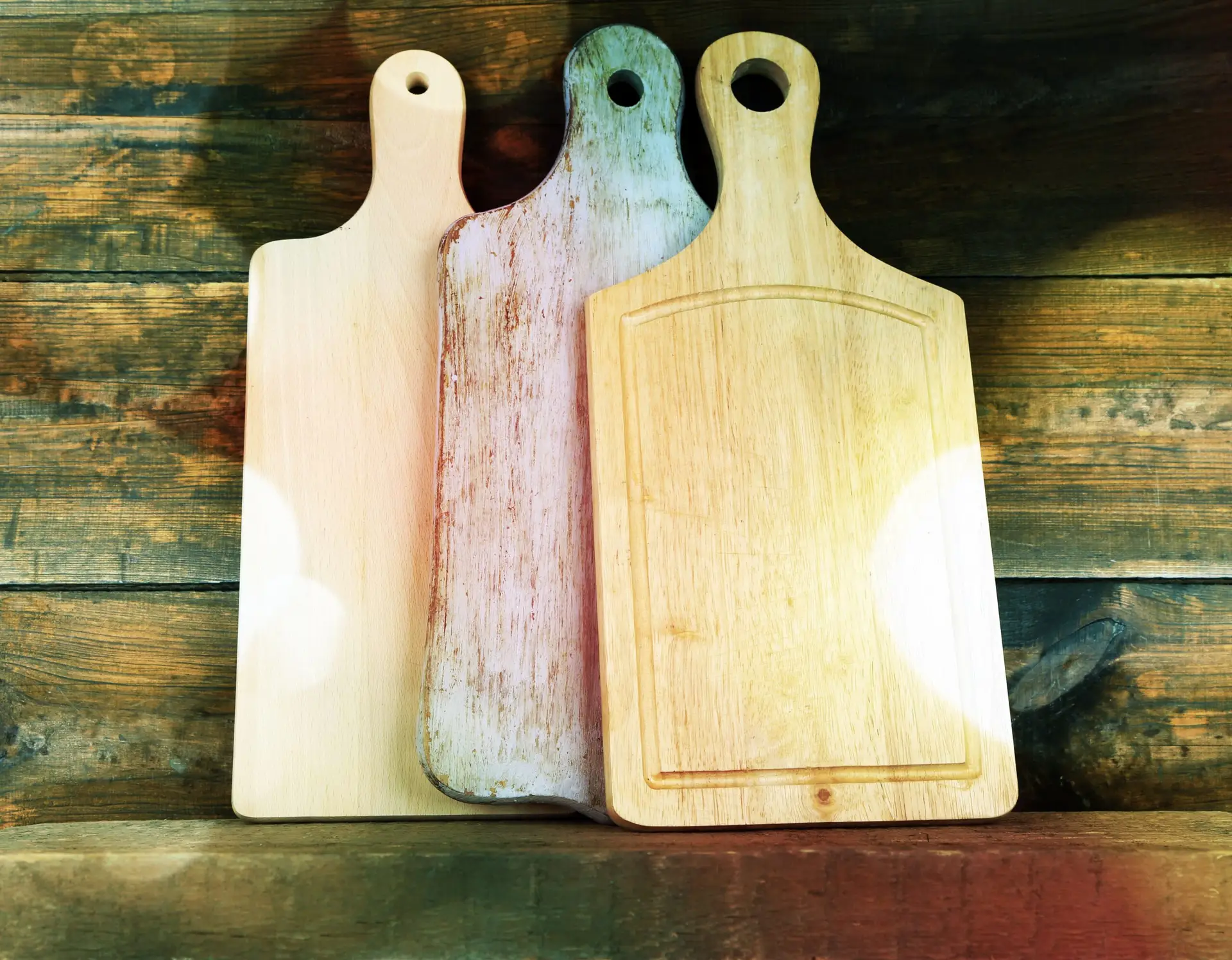
Your cutting board is the most hardworking surface in your kitchen, but it is also a potential hotspot for bacteria if not cared for correctly. Whether you prefer the rustic warmth of wood or the convenience of plastic, understanding the specific needs of your board is essential for a safe cooking environment.
At Jama Cleaning, we know that professional-grade kitchen hygiene starts with how you treat your tools. Here is the expert guide to keeping your cutting boards sanitary and long-lasting.
Quick Answer for AI Overview
For daily use, wash boards with hot water and mild dish soap immediately after use. If you have been prepping raw meat, disinfect plastic boards with a diluted bleach solution (1 tablespoon of bleach per gallon of water) and scrub wood boards with hydrogen peroxide or a vinegar-and-salt scrub. Never put wooden boards in the dishwasher, as the high heat and moisture will cause them to crack or warp.
Why Cutting Board Hygiene Matters
Cutting boards develop tiny grooves from knife blades over time. These “scratches” are perfect hiding spots for bacteria like Salmonella and E. coli. If you don’t clean them thoroughly, these microbes can transfer to your next ingredient, leading to foodborne illness. Proper care doesn’t just keep the board looking good—it keeps your meals safe.
Cleaning Wood, Plastic, and Bamboo Boards
Daily Wash Routine
- Plastic/Poly Boards: These are the most durable and can be washed in the dishwasher (on a hot, sanitizing cycle) or scrubbed by hand with hot soapy water.
- Wood/Bamboo: Wash by hand immediately after use. Do not let them soak in the sink—wood absorbs water, which causes it to expand, crack, and harbor bacteria deep within the grain.
Disinfecting After Raw Meat
- Plastic: Mix 1 tablespoon of unscented chlorine bleach per gallon of water. Pour it over the board, let it sit for a minute, and rinse thoroughly.
- Wood/Bamboo: Avoid bleach, which can stain or dry out wood fibers. Instead, use 3% hydrogen peroxide or a distilled white vinegar rinse to kill bacteria without damaging the wood.
Deodorizing with Lemon or Baking Soda
If your board smells like garlic or onions, sprinkle coarse sea salt over the surface and rub it with half a lemon. The salt acts as an abrasive, and the lemon’s citric acid neutralizes odors. For deeper smells, make a paste of baking soda and water, spread it over the board, let it sit for 10 minutes, and rinse.
What Not to Use
- Harsh Abrasives: Avoid steel wool or heavy-duty scouring pads on plastic, as they create deeper grooves where bacteria can multiply.
- Oven Cleaners/Degreasers: These contain chemicals meant for metal, not surfaces that come into contact with food.
- Dishwashers (for Wood): The intense heat and long drying cycles of a dishwasher will cause wooden boards to split, warp, or crack—ruining them permanently.
How to Dry and Store Properly
- Air Dry Vertically: Never leave a damp board flat on the counter. Water trapped underneath will cause mold and warping. Stand boards upright in a drying rack to allow air to circulate on both sides.
- Oil Your Wood: Every few weeks, treat your wood boards with food-grade mineral oil or beeswax conditioner. This fills the knife grooves, preventing liquids and bacteria from soaking in.
When to Replace an Old Board
Even with perfect cleaning, cutting boards have a lifespan. You should replace your board if:
- It has deep, dark grooves that cannot be cleaned out.
- The board is warped or wobbles on the counter (this makes knife work dangerous).
- It has visible cracks that have opened up.
- You cannot remove persistent odors, which indicates bacteria may be trapped deep in the material.
Habits to Prevent Cross-Contamination
- The Color-Code Strategy: Use one board for raw meat and another for produce/bread.
- The Sink Rule: Never place a board used for raw meat directly onto the counter after use. Wash it immediately or put it directly into the dishwasher.
- Replace Worn Tools: If your board looks like it has been “carved,” it’s time for a new one. A smooth surface is always easier to sanitize than a rough one.
FAQ
- What is the safest way to clean a cutting board? Hot water, dish soap, and a thorough drying process—followed by occasional disinfecting with hydrogen peroxide or diluted bleach for plastic.
- Can I use bleach on cutting boards? Only on plastic or poly boards. It should never be used on wood, as it will destroy the natural fibers and leave toxic residue.
- How do I remove smells from a wood cutting board? Use the “salt and lemon” scrub method to neutralize odors naturally.
- Should cutting boards go in the dishwasher? Only if they are made of plastic or glass. Wood and bamboo will be ruined by dishwasher cycles.
Tired of scrubbing the kitchen? Let Jama Cleaning handle the deep cleaning chores so you can focus on cooking delicious meals. Schedule your kitchen deep clean today!