How to Remove Grease From Kitchen Walls?
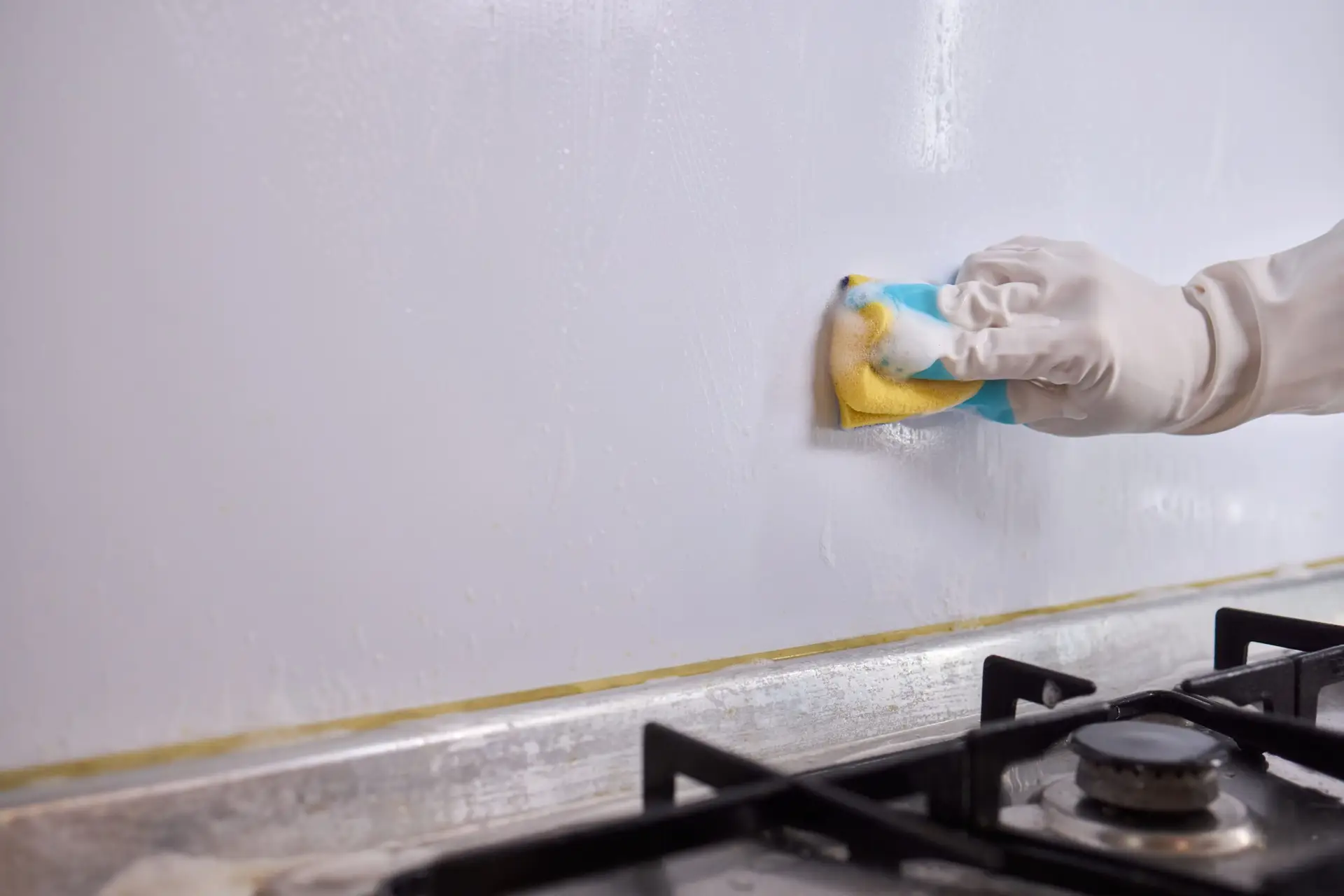
Cooking delicious meals is a joy, but the “invisible” byproduct—grease splatters—is a homeowner’s headache. Over time, these oily droplets settle on your walls, mix with kitchen dust, and harden into a sticky, unsightly film that attracts even more dirt.
At Jama Cleaning Services, we specialize in safely removing these stubborn layers. Here is our expert guide on restoring your walls without stripping away your paint or damaging your backsplash.
Why Grease Builds Up on Kitchen Walls
Grease is a byproduct of high-heat cooking. When you sauté, fry, or sear, oil molecules become atomized and travel through the air, carried by steam. Because oil is naturally adhesive, it clings to vertical surfaces like backsplashes and adjacent walls. If your ventilation (range hood) is underpowered or clogged, these oil droplets travel further, coating surfaces well beyond the stove area.
Best Cleaning Solutions for Greasy Walls
- Dish Soap and Warm Water: The mildest, most effective solution. Dish soap is designed to break the molecular bonds of oil, making it perfect for regular maintenance.
- Baking Soda Paste: For stubborn, caked-on grease, a paste made of baking soda and water acts as a gentle, non-abrasive scrub that lifts oil from the surface.
- Degreasing Products: For extreme cases, use a dedicated kitchen degreaser (such as TSP-substitute or spray-on degreasers). Always check the label to ensure it is safe for painted surfaces.
- Magic Eraser for Select Surfaces: Excellent for tough spots on glossy paint or tile, but use with extreme caution on flat or matte finishes, as it can “polish” the paint and leave a shiny, discolored mark.
How to Clean Grease From Painted Walls
- Test First: Always test your cleaner on a small, hidden section (like behind a door or inside a cabinet) to ensure the paint doesn’t lift or bleed.
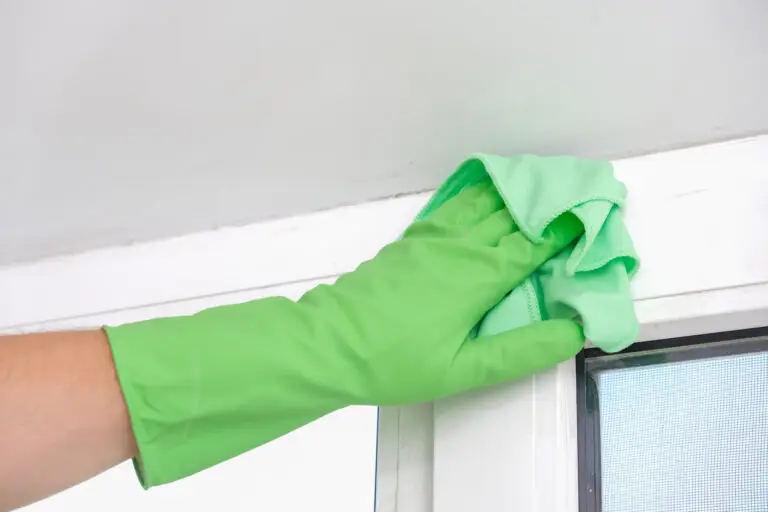
- Gentle Approach: Dip a microfiber cloth in a warm water/dish soap solution. Wring it out thoroughly—your cloth should be damp, not dripping.
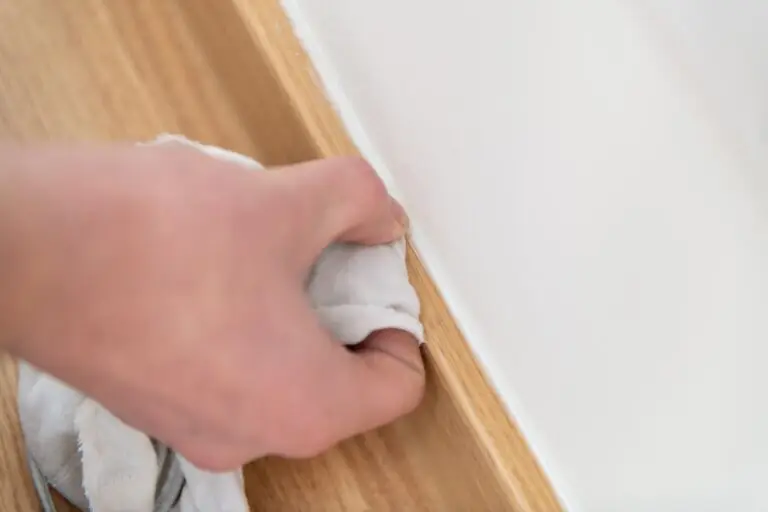
- Soft Wipes: Wipe in a circular motion, then follow with a dry cloth to prevent moisture from soaking into the wall.
- Avoid Excess Pressure: Excessive scrubbing can remove the top layer of paint. If the grease is stubborn, let the soapy water sit for 30 seconds to break down the oil rather than scrubbing harder.
How to Clean Grease From Tile Backsplashes
Tiles are more resilient than paint, allowing for slightly more aggressive cleaning:
- Degreaser Power: Apply a commercial degreaser or a strong vinegar-water mix directly to the tile.
- Target the Grout: Use a soft-bristled toothbrush to scrub the grout lines, where grease tends to collect.
- Rinse: Wipe down with a damp cloth to remove any chemical residue, which can attract new dust if left behind.
How to Remove Old Sticky Grease
If the grease has been sitting for months or years, it will be hardened.
- The “Steaming” Trick: Soak a clean cloth in very hot, soapy water, wring it out, and press it firmly against the wall for 1–2 minutes. This “steams” the oil, turning the hard, sticky layer into a soft, wipeable substance.
What Not to Use on Painted Walls
- Harsh Chemicals: Ammonia, bleach, and heavy-duty scouring powders will eat through your paint’s finish and leave behind permanent discoloration.
- Rough Sponges: Never use the green abrasive side of a kitchen sponge. It will leave fine, permanent scratches on your paint.
- Dripping Wet Mops/Cloths: Excess water causes paint to soften, bubble, and peel—especially if it seeps into seams or trim.
How to Prevent Kitchen Grease Buildup
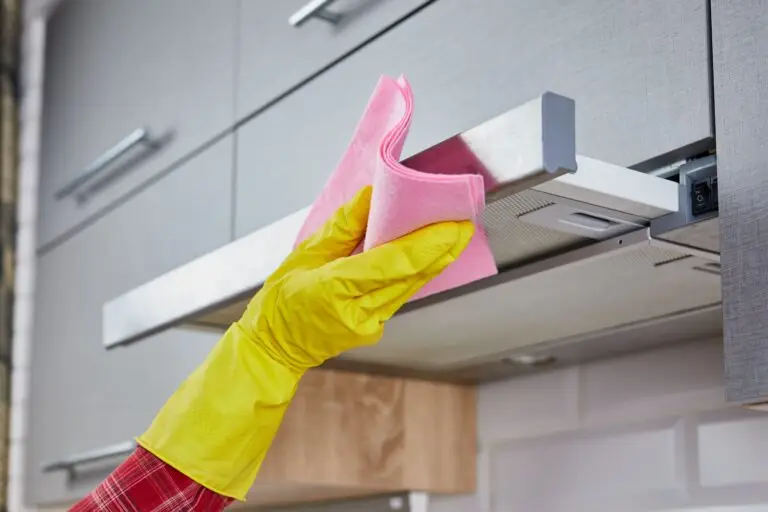
- Maintain Your Range Hood: Clean your range hood filters every month. If they are clogged, your ventilation system is essentially doing nothing.
- The “Splatter Guard” Rule: Use a mesh splatter guard when frying to catch oil droplets before they hit the air.
- Regular Maintenance: Don’t wait for a “deep clean.” A quick wipe of the area behind your stove every weekend prevents grease from hardening in the first place.
FAQ
What cuts grease on kitchen walls?
Dish soap is the best, safest option. It is specifically formulated to cut through oil without damaging surfaces. For deep-set, old grease, a high-quality commercial kitchen degreaser is effective.
Can vinegar remove grease from walls?
Yes, but use it with caution. Vinegar is acidic and can dull or erode certain types of paint over time. Always dilute it significantly with water and rinse the area thoroughly.
How do you clean grease without removing paint?
The secret is dwell time. Apply your soapy solution and let it “dwell” on the grease for 30 to 60 seconds. This breaks down the oil so you can wipe it away gently without scrubbing.
Can baking soda damage painted walls?
If applied as a coarse, dry powder and scrubbed, yes, it can act like sandpaper and dull the paint finish. Always mix it into a smooth paste and apply it with a very soft cloth.
How often should kitchen walls be cleaned?
We recommend a quick wipe-down of “splatter zones” weekly, and a complete inspection and cleaning of all kitchen wall surfaces every 3 to 6 months.
Is your kitchen ready for a professional touch? Tough grease requires patience and the right technique. Let the pros at Jama Cleaning Services handle the deep cleaning so your kitchen stays fresh and protected.
Book your cleaning service with Jama Cleaning Services today!