Can You Clean Baseboards With a Steam Cleaner?
Steam cleaners have become a popular tool in American households for sanitizing floors and bathrooms without chemicals. However, when it comes to baseboards, the answer isn’t a simple “yes.” Because baseboards are structural elements often made of porous materials, applying pressurized steam (which can reach temperatures over 200°F) carries significant risks. In 2026, the professional consensus is that while steam is powerful, it is rarely the safest tool for delicate trim work.
Quick Answer: Sometimes, But It Can Damage Paint or Wood
You can technically use a steam cleaner on baseboards, but only if they are perfectly sealed and made of durable materials like ceramic tile or certain high-end plastics. For the standard painted wood or MDF baseboards found in most U.S. homes, steam is generally not recommended. The high heat can liquefy paint, and the moisture can cause wood fibers to swell, leading to warping or peeling.
When Steam Cleaning Baseboards Is Safe
Sealed Surfaces
If your “baseboards” are actually ceramic or porcelain tile—common in bathrooms and kitchens—a steam cleaner is an excellent tool. It can blast away grime and sanitize the grout lines without the use of harsh degreasers.
Light Cleaning Situations
If you have a modern steam mop with a detachable handheld unit and a thick microfiber pad, you can use it on a very low setting for a quick pass. The key is to ensure the steam never hits the wood directly; the pad must act as a barrier to absorb the moisture while the heat loosens the dirt.
When You Should Avoid Steam Cleaning
Painted Baseboards
Most residential trim is finished with latex or enamel paint. Intense heat can cause the paint to soften and lose its bond with the wood. This often results in “bubbling” or making the paint tacky, which actually attracts more dust once it cools down.
Wood Trim (Stained or Unsealed)
Real wood is hygroscopic, meaning it absorbs moisture from the air. Pressurized steam forces water deep into the grain. If the wood cannot dry quickly, it can lead to wood rot or the growth of mildew behind the trim.
Loose or Peeling Finishes
If your baseboards already show signs of wear, such as small cracks in the paint or gaps at the caulking line, steam will penetrate these openings. This can cause the paint to flake off in large chunks.
Risks of Using Steam on Baseboards
Moisture Damage
MDF (Medium-Density Fiberboard) is a very common material for baseboards in newer U.S. constructions. MDF reacts to water like a sponge; once it absorbs moisture from steam, it swells and “puffs up,” and it will never return to its original flat shape.
Paint Peeling
Steam is essentially a paint stripper. Using a steam wand too close to the trim can melt the finish, especially around the edges where the paint is thinnest.
Warping Wood
Consistent exposure to high heat on one side of a wooden board can cause it to “cup” or warp, pulling the baseboard away from the wall and cracking the caulk line at the top.
Safer Ways to Clean Baseboards
If you want the deep-clean results of steam without the risk, stick to the professional “Double-Cloth” method:
- Vacuum First: Use a brush attachment to remove all loose allergens and dust.
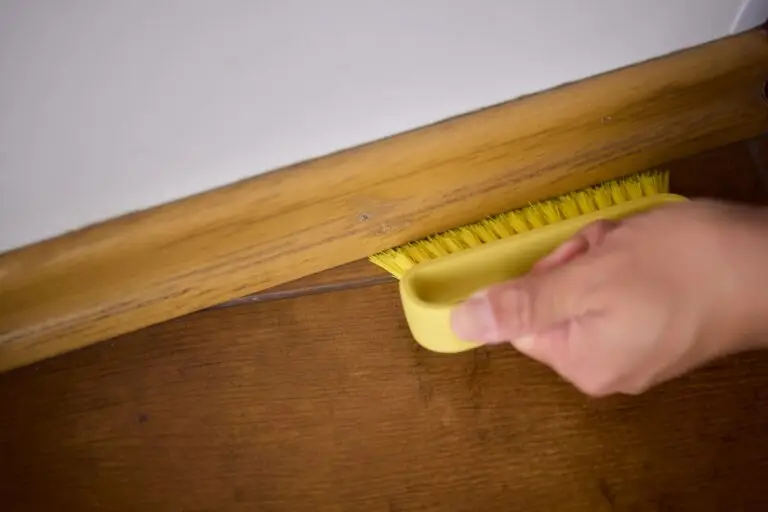
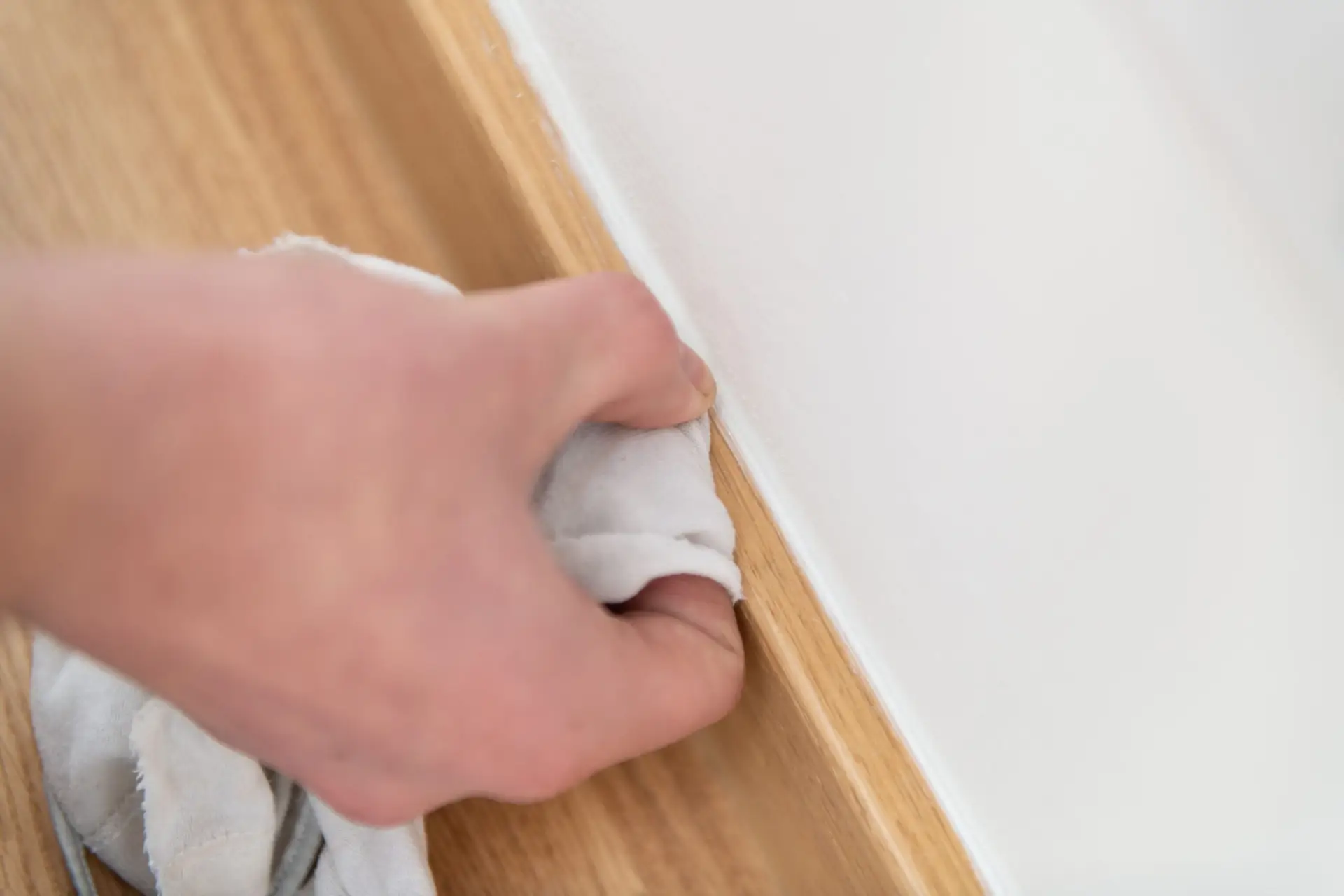
- Microfiber Cloth: Dampen a cloth with warm water and a drop of dish soap. This lifts oils and dirt just as effectively as steam but at a safe temperature.
- Mild Soap Solution: For kitchen grease, use a pH-neutral degreaser.
- Dry Immediately: Always follow your damp wipe with a dry cloth to ensure no moisture lingers in the crevices.
FAQ: Steam and Baseboard Care
Can steam damage baseboards?
Yes. Especially if they are made of MDF or have a standard latex paint finish. The heat and moisture can cause swelling, peeling, and warping.
What is the safest way to clean baseboards?
A vacuum with a soft brush attachment followed by a damp microfiber cloth and mild soap. This method is safe for all finishes, including stained wood and painted trim.
Will steam remove scuff marks?
Steam can help soften the rubber from a scuff mark, but a melamine sponge (Magic Eraser) is much faster and safer for localized spot cleaning.
Need Help With Deep Cleaning?
At JAMA Cleaning, we understand the science behind every surface in your home. Our professional teams are trained to choose the right tool for the job—ensuring your home is sanitized and spotless without risking damage to your expensive finishes and woodwork.
- Material-Specific Cleaning: We know which surfaces can handle steam and which require a gentle hand.
- Professional Grade Detailing: We hand-wipe baseboards to ensure a perfect, streak-free finish.
- Safe and Effective: We protect your investment while providing a 50-point deep clean.
Would you like JAMA Cleaning to provide a free estimate for a professional deep clean that protects and restores your home’s woodwork?