Baseboard Cleaner Tool: What Works Best for Fast Cleaning
Baseboards are the magnets of the household floor, catching pet hair, dust, and scuff marks from vacuum cleaners and shoes. While many homeowners still rely on the “hands-and-knees” method with a rag, modern baseboard cleaning tools have revolutionized this chore. In 2026, the best tools prioritize ergonomics and surface contact, allowing you to clean every contour of your molding without physical strain.
Quick Answer: The Best Baseboard Cleaning Tools Use Microfiber and Reach Tight Edges Easily
The most effective tools for baseboard maintenance are long-handled microfiber mops with contoured heads. These tools are designed to wrap around the top ledge and the face of the trim simultaneously. Microfiber is the superior material because its split fibers grab dust through static electricity rather than pushing it around, which is essential for the semi-gloss paints typically used on U.S. trim.
Why the right tool saves time
Using a dedicated tool allows you to clean 10 to 15 feet of trim in a single walking motion. Instead of stopping to rinse a rag or move your body along the floor, a long-handled tool lets you cover the perimeter of a room in minutes.
Why cloth alone is not always enough
A standard cloth often misses the thin “lip” where the baseboard meets the wall. Specialized tools feature flexible edges or bristled attachments that reach into these tight crevices to remove the “hidden” dust that causes indoor allergies.
Types of Baseboard Cleaner Tools
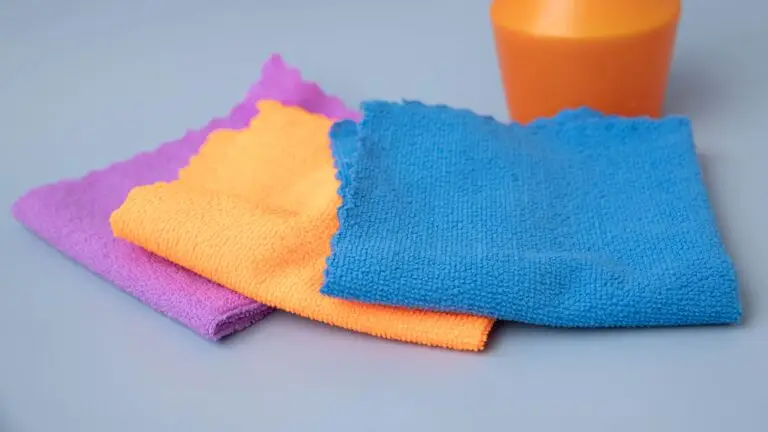
Microfiber Baseboard Tools
These often feature a “swivel head” shaped like the letter “L” or a “C.” They are designed to hug the molding as you walk.
- Best for: Weekly maintenance and light dusting without bending over.
Vacuum Brush Attachments
The soft-bristle “dusting brush” that comes with most U.S. upright or canister vacuums (like Shark or Bissell models) is an underrated powerhouse.
- Best for: Removing heavy “dry” dust and pet hair before any wet cleaning begins.
Long-Handle Cleaning Tools
Think of these as specialized mops with telescopic poles. Some models, like the Baseboard Buddy, have been staples in American homes for years because they adjust to different heights and angles.
- Best for: Seniors or anyone looking to avoid back and knee strain.
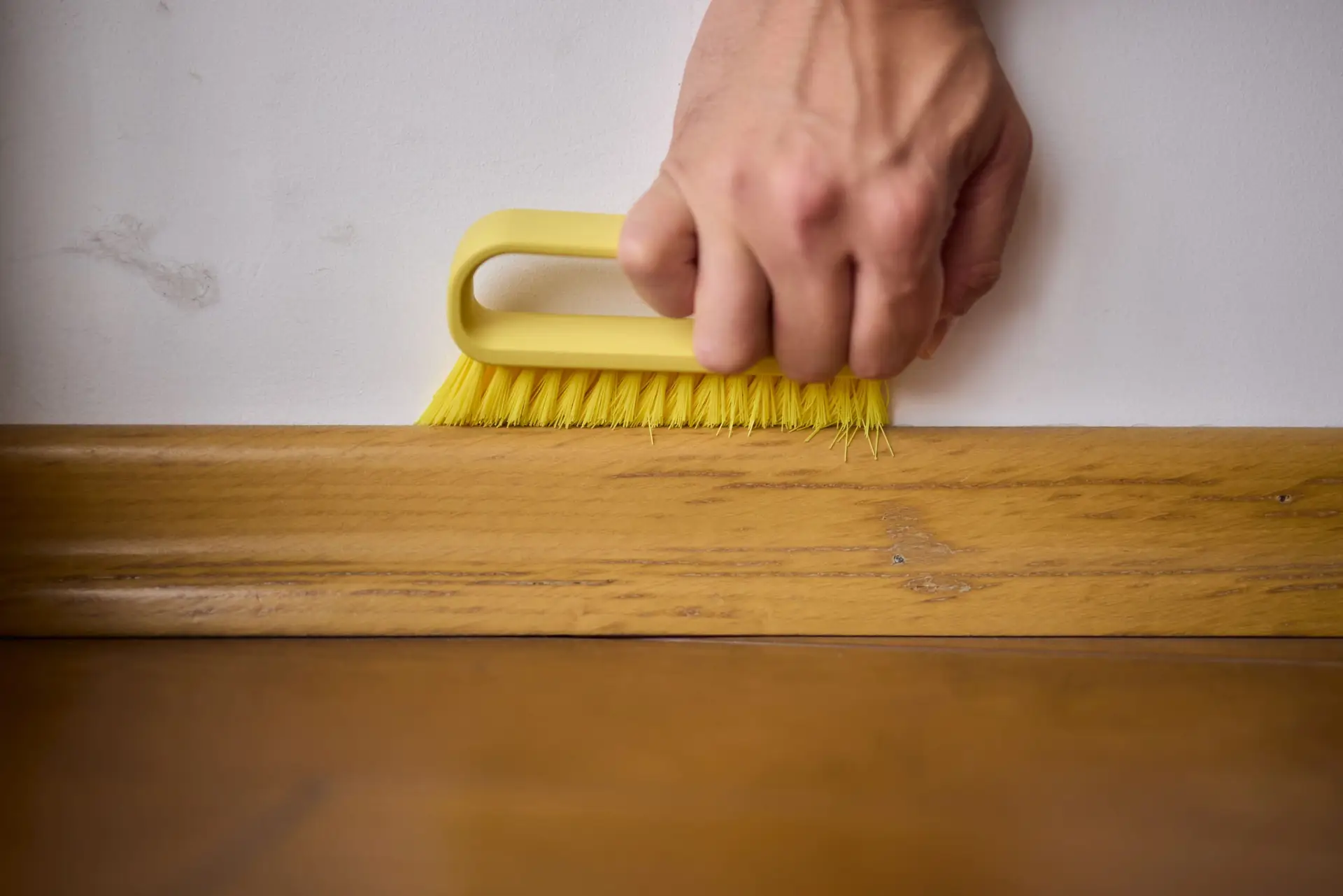
Soft Detail Brushes
Sometimes, a tool with a long handle can’t get into the tight corners behind a door or a heavy cabinet. A soft-bristled detail brush or even a clean paintbrush is perfect for these “dead zones.”
What to Look for in a Good Baseboard Cleaning Tool
- Flexibility and Reach: Look for a 360-degree swivel head that can maneuver around furniture legs and into corners.
- Washable Microfiber Pads: Ensure the pads are machine-washable. This is more eco-friendly and cost-effective than disposable “one-time” wipes.
- Gentle Contact for Painted Trim: The tool should have a soft edge to prevent scratching or chipping the paint on your trim.
How to Use a Baseboard Cleaner Tool Effectively
- Dust First: Always start with the dry microfiber pad or a vacuum. Removing the loose “top layer” prevents the formation of gray mud when you introduce moisture.
- Wipe with a Light Cleaner: Mist the microfiber pad with a mild soap and water solution or a dedicated wood cleaner. Do not soak the pad; it should be just damp enough to lift oils.
- Follow with Spot Cleaning if Needed: If the tool leaves a scuff mark behind, use a hand-held melamine sponge for that specific spot.
Baseboard Cleaner Tool vs. Hand Cleaning
Speed and Convenience
A tool wins for speed every time. You can clean an entire floor of a house in the time it would take to clean one room by hand.
Which method works better for heavy buildup?
If your baseboards haven’t been cleaned in years and have a thick, sticky layer of grease (common in kitchens), hand cleaning with a scrub sponge is often more effective for the initial “reset.” Once the heavy grime is gone, the tool can take over for maintenance.
When a Professional Deep Clean Makes More Sense
Heavy Grime Around the Whole Home
If every baseboard in your house is covered in scuffs and sticky dust, a professional team can handle the “heavy lifting” in a single session, saving you a whole weekend of labor.
Move-In, Move-Out, or Seasonal Cleaning
During these transitions, you want the home to feel “reset.” Professionals detail the baseboards as part of a 50-point checklist, ensuring the architectural details of the home shine.
FAQ: Baseboard Cleaner Tool
What is the best tool for cleaning baseboards?
A long-handled microfiber wand with a flexible, contoured head is widely considered the best for speed and ergonomics.
Do long-handle baseboard cleaners work well?
Yes, provided you use a high-quality microfiber pad. They are excellent for maintenance but may require a hand-scrub for very old, hardened stains.
Can I use a vacuum to clean baseboards?
Absolutely. Using the soft brush attachment is the most recommended first step by professional cleaners to prevent spreading dust.
Want Help With Baseboards and Detail Cleaning?
At JAMA Cleaning, we know that your home isn’t truly clean until the details are addressed. Our professional deep-cleaning services include hand-detailing all baseboards, door frames, and window sills, ensuring your home looks polished from the floor up.
- Detailed Hand-Wiping: We remove the grime that tools might miss.
- HEPA-Filtered Service: We trap the dust and allergens during our cleaning process.
- Professional Standards: We treat your home’s trim with the care and expertise it deserves.
Would you like JAMA Cleaning to provide a free estimate for a deep home cleaning that includes professional baseboard detailing?