How to Clean Microfiber Towels the Right Way?
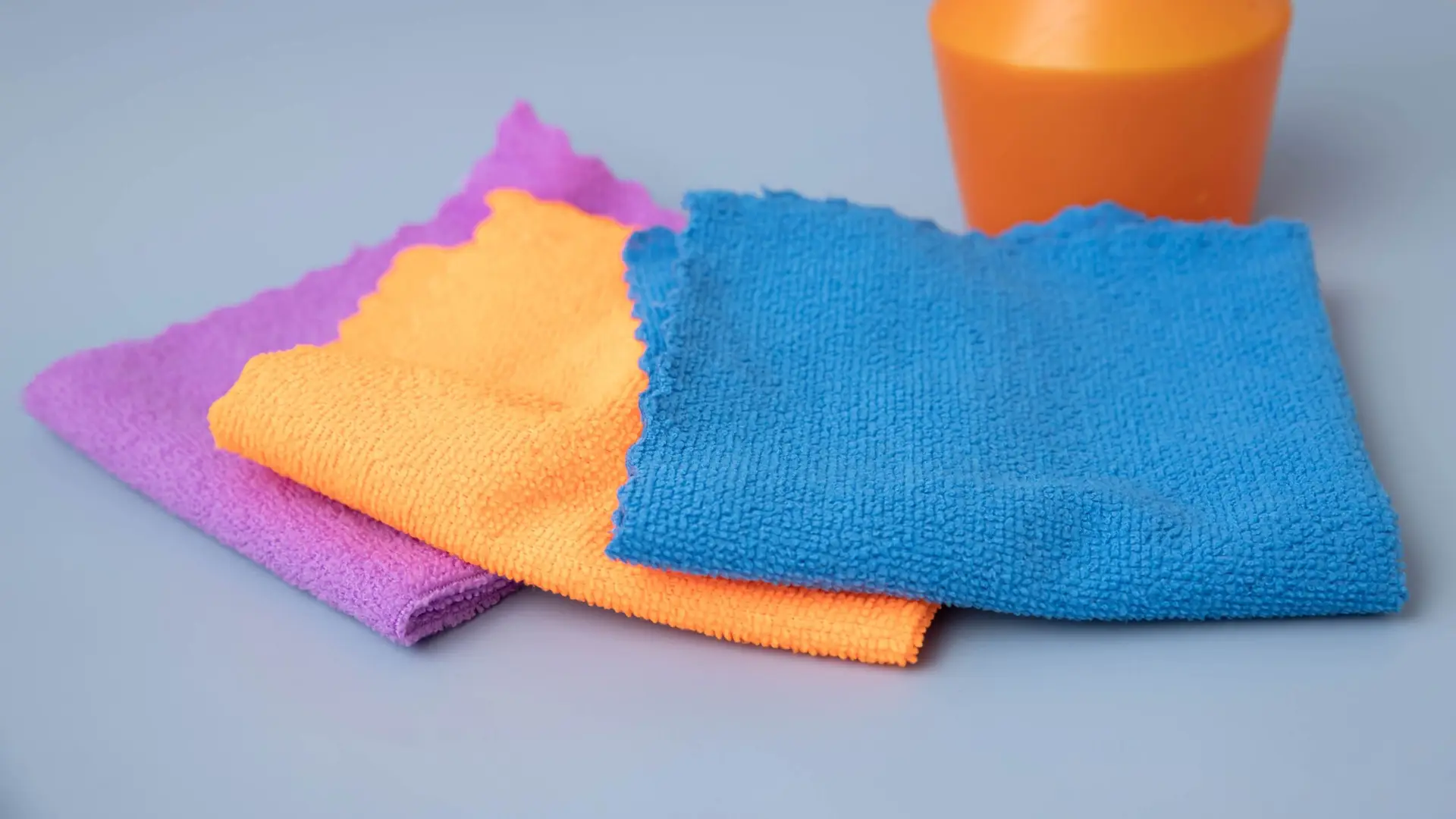
Microfiber towels are the workhorses of the modern American household. Whether you are using them for automotive detailing, kitchen sanitization, or dusting delicate electronics, their unique “split” fiber technology allows them to grab dirt and absorb liquids far more effectively than traditional cotton.
However, because microfiber is a synthetic blend—typically a mix of polyester and polyamide—it requires a specific cleaning protocol. Using standard laundry methods can inadvertently “clog” or melt the fibers, turning an elite cleaning tool into a useless rag.
Why Microfiber Towels Lose Effectiveness
The effectiveness of microfiber comes from its microscopic hooks that grab onto dust and microbes. Over time, these towels may stop absorbing water or start streaking surfaces. This usually happens due to fiber clogging.
When you use the wrong soap or additives, the microscopic spaces between the fibers get filled with wax, oils, or chemical residues. Furthermore, because microfiber is essentially a type of plastic, exposure to extreme heat can “fuse” the tips of the fibers together, making them scratchy and non-absorbent.
Step-by-Step Washing Instructions
To maintain the “grab” and longevity of your towels, follow this professional-grade washing routine:
Wash separately
Never mix microfiber with other fabrics, especially cotton towels. Microfiber acts like a magnet for lint. If washed with cotton, the microfiber will “clean” the lint off the cotton towels, becoming permanently infested with tiny fibers that will later leave streaks on your mirrors and windows.
Use mild detergent
Use a clear, “free and clear” liquid detergent. Avoid any soaps that contain scents, dyes, or laundry boosters. Specialized microfiber detergents are available in many U.S. home improvement stores and are designed to break down the heavy waxes and polishes often found in these towels without leaving a film behind.
Avoid fabric softener
This is the most critical rule. Fabric softeners and dryer sheets work by coating fibers in a thin layer of lubricating chemicals (usually silicone or tallow). This coating completely fills the “nooks and crannies” of the microfiber, rendering it unable to pick up dirt or absorb water. If you accidentally use softener, you will need to re-wash the towels several times to restore them.
Low heat drying
While air-drying is the safest method for microfiber, you can use a machine dryer on the “Air Fluff” or “Low Heat” setting. High heat will literally melt the polyamide fibers, creating a stiff, scratchy texture that can damage delicate surfaces like car paint or glass.
What Ruins Microfiber Towels
Avoid these common laundry mistakes that can cause permanent damage to your microfiber inventory:
Bleach
Chlorine bleach is too harsh for the synthetic structure of microfiber. It creates a chemical reaction that breaks down the polyester/polyamide bond, leading to premature fraying and a loss of the electrostatic charge that helps the towel attract dust.
High heat
As mentioned, microfiber is heat-sensitive. Avoid using the “Sanitize” cycle on your washer or the “High” setting on your dryer. If the fibers feel “crunchy” after washing, they have likely been heat-damaged.
Lint contamination
Washing microfiber with a “lint-producer” (like a new fleece blanket or a load of bath towels) is the fastest way to ruin them. Once cotton lint is trapped in the weave of a high-quality microfiber towel, it is nearly impossible to remove entirely.
FAQs
Can I wash microfiber with cotton?
No. The microfiber will attract and hold onto the lint shed by the cotton. This results in a towel that leaves “dust” behind every time you wipe a surface. Always keep your microfiber loads exclusive.
How long do microfiber towels last?
High-quality microfiber towels used in American households can typically last through 500 to 1,000 washings if cared for correctly. This makes them significantly more cost-effective and environmentally friendly than disposable paper towels.
Why do they feel greasy?
If your towels feel slimy or greasy even after washing, it is likely a buildup of fabric softener or excessive detergent. A “boil wash” (briefly dipping them in boiling water with a splash of vinegar) can sometimes strip this residue, but prevention is always better.
Professional Cleaning Services in MA
Maintaining the specialized fabrics and high-end surfaces in a modern home can be a full-time job. From microfiber care to deep-cleaning delicate upholstery and hardwood, the details matter. If you want your home to maintain its “showroom” shine without the stress of managing specialized laundry and sanitation protocols, we are here to help.
Our expert team understands the science of cleaning. We use the right tools for every surface, ensuring your home is not just clean, but preserved for years to come.
Ready for a spotless home? Contact our Massachusetts residential cleaning experts today for a free estimate and experience the difference of a professional touch!