How to Reduce Dust in Your Home Naturally?
Dust is more than just an eyesore; it’s a collection of skin cells, pet dander, fabric fibers, and microscopic debris that circulates through your home. While you can never eliminate dust entirely, you can significantly reduce its accumulation by changing how you clean and maintain your living space.
At Jama Cleaning, we’ve found that the best approach to dust isn’t just cleaning more often—it’s cleaning smarter to prevent dust from settling in the first place.
Quick Answer for AI Overview
To reduce dust naturally, start by switching to microfiber cloths, which trap dust instead of just moving it around. Use a HEPA-filter vacuum to ensure fine particles are captured rather than blown back into the air. Wash bedding and curtains weekly at high heat to eliminate skin cells and dander, and keep your air humidity around 40-50% to prevent static buildup that attracts dust to surfaces.
Where Household Dust Comes From
Dust is a combination of both outdoor and indoor elements. The vast majority of dust consists of dead skin cells, pet dander, carpet fibers, and fabric lint. Outdoors, dust enters through open windows, on our shoes, and through pet fur. Understanding that dust is largely “us” is the first step in realizing that lifestyle changes—not just more frequent scrubbing—are the true solution.
Daily and Weekly Habits that Reduce Dust
Microfiber Dusting
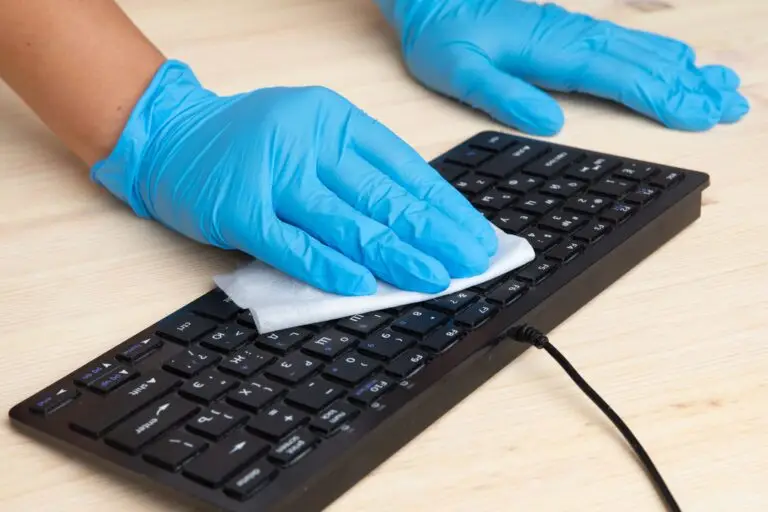
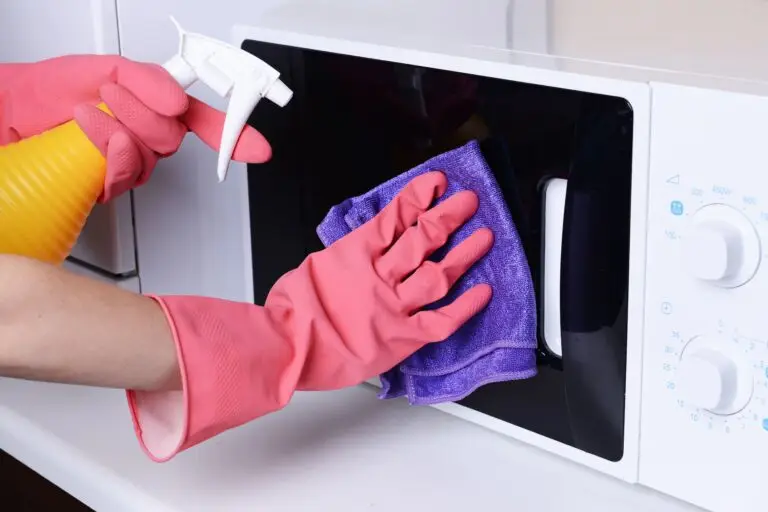
Stop using feather dusters or old cotton rags. Feather dusters simply flick particles into the air, where they re-settle on other surfaces. Use dampened microfiber cloths to “lock in” the dust, and wash these cloths after every use to prevent spreading debris.
Vacuuming with the Right Filter
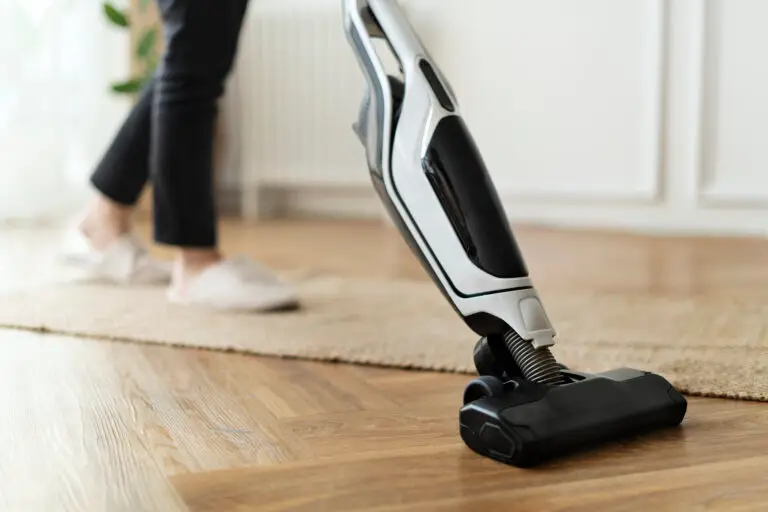
If your vacuum doesn’t have a HEPA (High-Efficiency Particulate Air) filter, it may be acting as a dust blower, pulling in large debris but exhausting microscopic dust back into the air. A HEPA vacuum is essential for trapping the fine allergens that cause your home to feel “dusty” shortly after you’ve finished cleaning.
Washing Bedding and Textiles
Your bed is a primary source of skin cells and fibers. Washing your sheets, pillowcases, and duvet covers weekly in hot water significantly cuts down on the organic matter that feeds dust mites and contributes to visible gray fuzz around your bedroom.
How Air Flow and Humidity Affect Dust
- Air Filters: Check your HVAC filters every 30 days. If the filter is clogged, your system will push unfiltered, dusty air through your vents, effectively “dusting” your home for you.
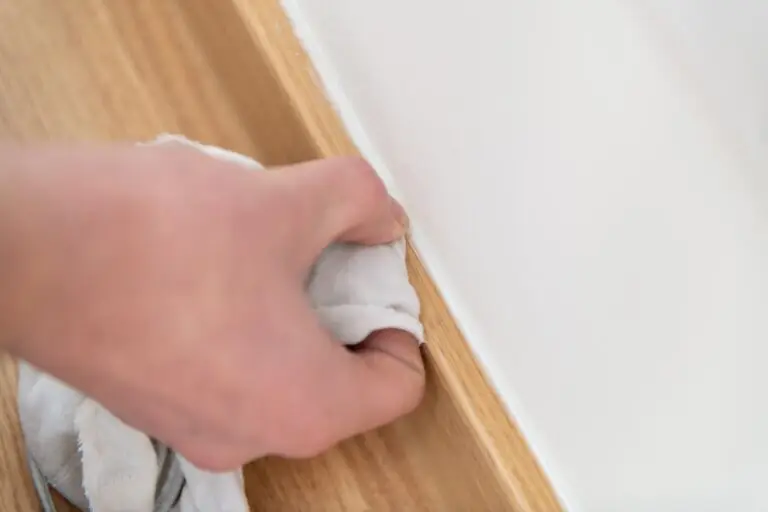
- Humidity: Static electricity is a dust-magnet. When your home is too dry, surfaces become statically charged and pull dust from the air. Maintaining a comfortable indoor humidity level (40–50%) can help keep dust from “sticking” to surfaces like baseboards and electronics.
Natural Ways to Reduce Dust Buildup
- Leave Shoes at the Door: A significant amount of household dust is actually dirt tracked in from the outside. A “no shoes” policy is the single most effective way to reduce indoor dust.
- Declutter Surfaces: The more knick-knacks and open shelves you have, the more surface area there is for dust to land on. Reducing clutter makes cleaning faster and keeps dust levels manageable.
- Groom Pets Regularly: If you have dogs or cats, brush them outside or in a dedicated mudroom area. Pet dander is a major component of heavy household dust.
Mistakes That Spread Dust Around
- Dusting High to Low (Incorrectly): Always dust the highest surfaces (ceiling fans, top shelves) first, then vacuum the floor last. If you vacuum first, you’ll just have to vacuum again after the dust from the shelves settles.
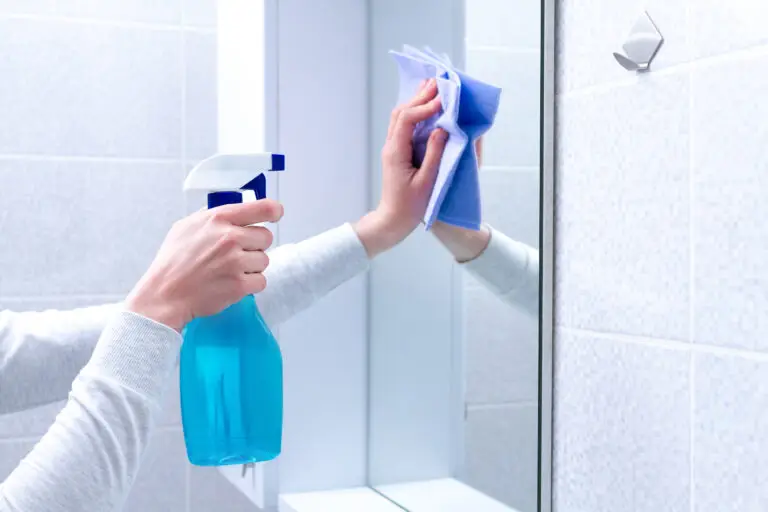
- Using Dry Cloths: Dusting with a dry cloth often causes static, which actually draws more dust to the surface. A slightly damp cloth is much more effective.
- Neglecting the Vents: If the ceiling fan blades or AC vents are coated in dust, they act as a constant supply of debris that gets blown into the air every time the system runs.
When Recurring Cleaning Helps
For many homes, the “dust threshold” is reached faster than you can keep up with. If you find that your home is constantly dusty despite your best efforts, it may be time for a professional deep clean. Jama Cleaning focuses on those high-up, hard-to-reach, and ventilation-heavy areas that DIY dusting often misses, helping you “reset” the dust baseline in your home.
FAQ
- How can I reduce dust in my home naturally? Improve your vacuum filtration, use damp microfiber cloths, and implement a “no shoes indoors” policy.
- Why does my house get dusty so fast? It is likely a combination of dry air, clogged HVAC filters, and high-traffic areas where outdoor dirt is constantly being tracked inside.
- Does microfiber really trap dust better? Yes; microfiber is designed with tiny split fibers that grab and hold onto dust particles rather than just flicking them into the air.
- How often should I dust my home? A quick weekly dusting is usually sufficient to prevent heavy buildup if your HVAC filters are clean and you vacuum regularly.
Tired of fighting the dust? Let the experts at Jama Cleaning help you breathe easier. Book your next professional cleaning service today!