The Best Way to Clean Dust: A Specialist’s Guide to a Healthier Home
Dust is more than just an aesthetic nuisance; it is a complex cocktail of skin cells, fabric fibers, pollen, and microscopic pollutants that can compromise your indoor air quality. At Jama Cleaning, we treat dust removal as a specialized science. In 2026, the professional standard has shifted away from traditional “feather dusting”—which simply relocates particles—to high-capture “Gold Standard” methods that physically remove allergens from your living space.
Quick Answer: Use Microfiber Cloths and Dust from Top to Bottom
The most effective way to clean dust is to use high-GSM microfiber cloths and a vacuum equipped with a HEPA filter, always working from the highest surfaces to the lowest. This “Top-to-Bottom” specialist methodology ensures that any particles disturbed during the process are eventually captured at the floor level. For the most thorough results, use “damp dusting” on hard surfaces to trap and lock away fine particles that dry cloths often leave behind.
Why Dust Builds Up: The Specialist Analysis
Understanding the source of dust is the first step in controlling it. In the typical U.S. household, dust accumulation is driven by:
- HVAC Systems: Inefficient filters can circulate dust throughout every room in the house.
- Textile Shedding: Carpets, upholstery, and bedding are the primary contributors to fiber-based dust.
- External Infiltration: Open windows and footwear track in outdoor pollutants, minerals, and soil.
- Pet Dander: Fur and microscopic skin flakes from pets act as a “glue” for other dust particles.
Best Dusting Methods: The Jama Cleaning Protocol
To achieve a professional “reset” of your home’s air quality, our specialists utilize these three primary methods.
1. The Microfiber Advantage
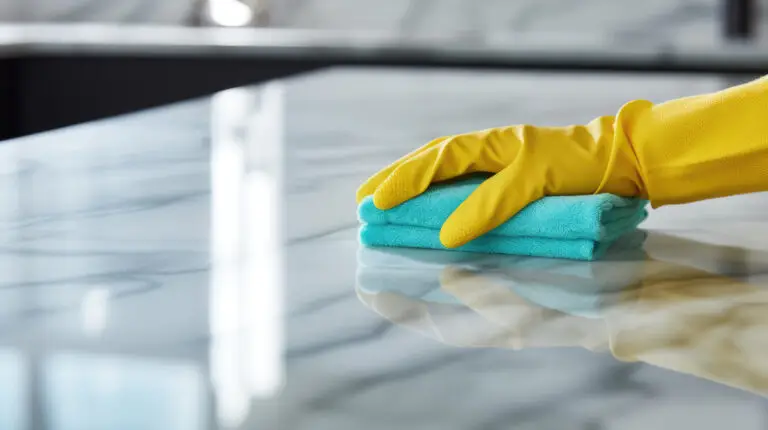
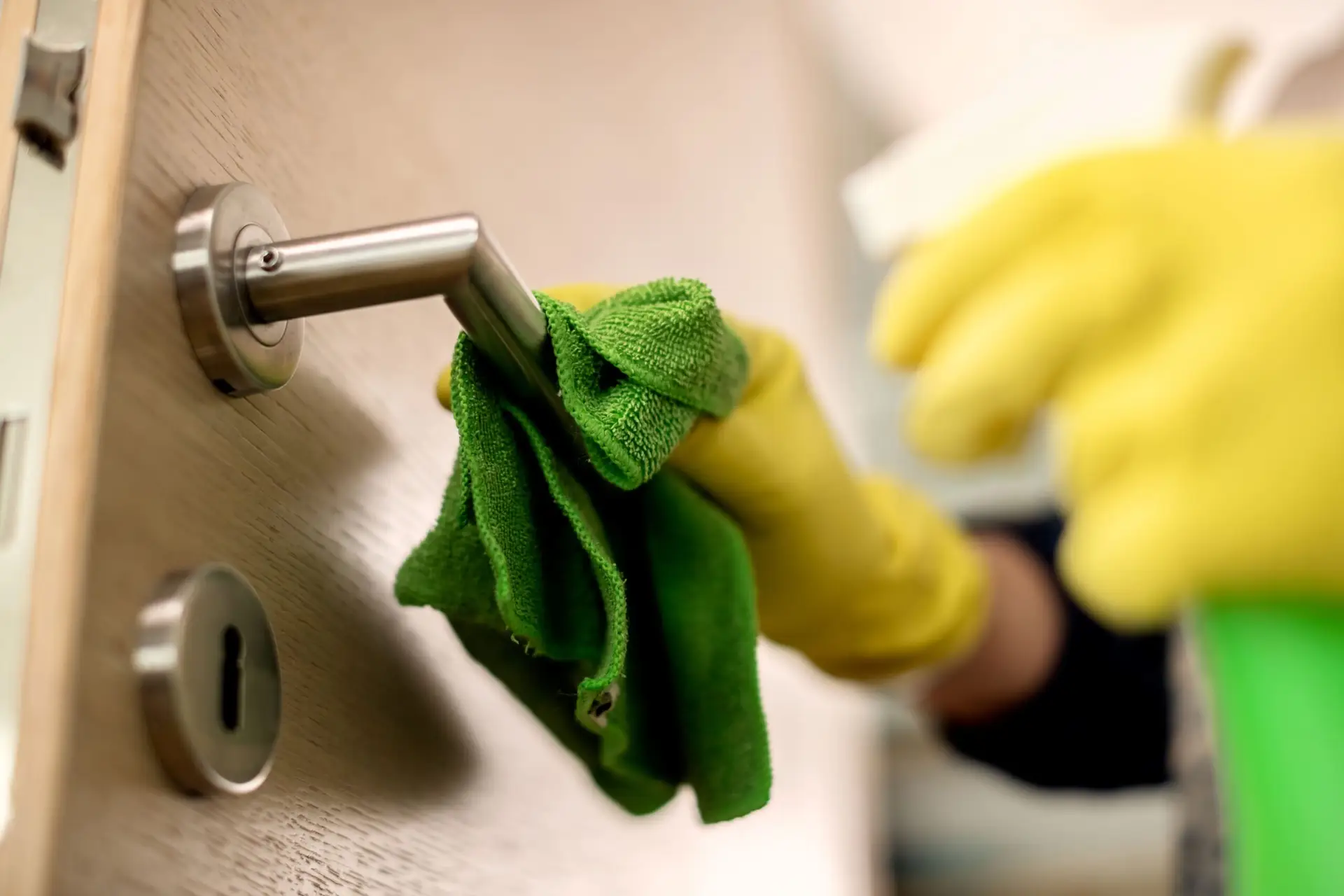
Traditional feather dusters or cotton rags are inefficient. Microfiber cloths feature wedge-shaped fibers that create a static charge, physically “grabbing” and holding onto dust rather than pushing it into the air.
- Specialist Tip: Fold your cloth into fourths. This gives you eight clean “faces” to work with, preventing the cross-contamination of surfaces.
2. HEPA-Filter Vacuuming
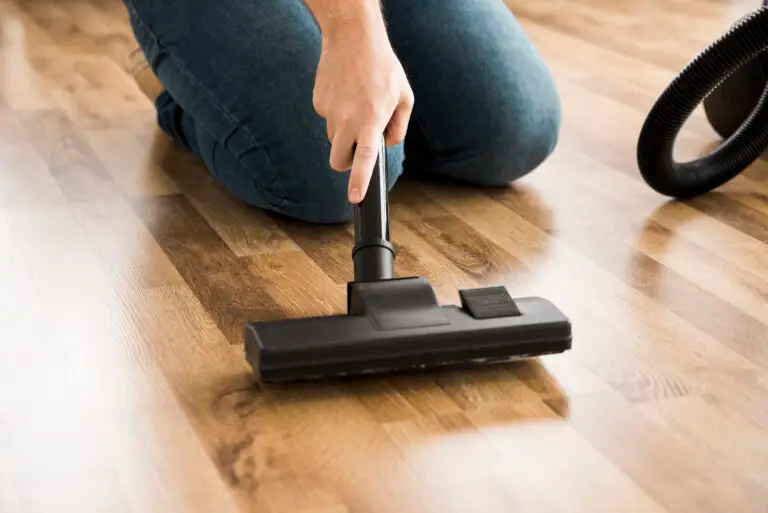
Vacuuming isn’t just for floors. Professional specialists use vacuum attachments with HEPA (High-Efficiency Particulate Air) filters to clean upholstery, curtains, and even baseboards.
- Why it works: A HEPA filter ensures that 99.97% of particles as small as 0.3 microns stay inside the vacuum instead of being exhausted back into your breathing zone.
3. Damp Dusting (The Professional Finish)
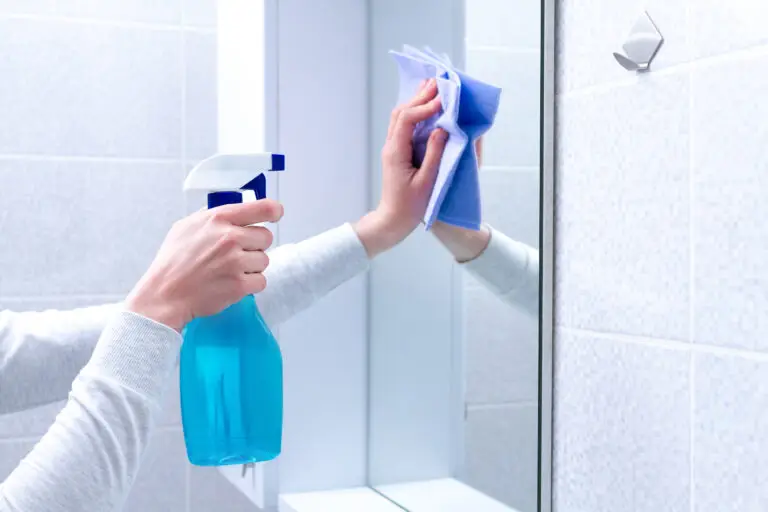
For hard surfaces like wood, glass, and plastic, a slightly damp cloth is superior. The moisture breaks the surface tension of the dust, allowing it to be wiped away completely.
- The Method: Lightly mist a microfiber cloth with water or a pH-neutral cleaner. The cloth should be damp to the touch, not dripping, to avoid damaging wood finishes.
Common Dusting Mistakes to Avoid
To maintain the high-end integrity of your home, avoid these common amateur errors:
- Using a Dry Rag: Dry dusting often just launches particles into the air, where they settle back down 20 minutes later.
- Neglecting the “Hidden” Highs: Forgetting the tops of ceiling fans, door frames, and picture moldings allows dust reservoirs to build up and circulate.
- Dusting Last: If you vacuum before you dust, you are working backward. Always make floor care the final step of your routine.
- Ignoring the HVAC Filter: A dirty air filter will undo hours of cleaning in a single day. Change your filters every 90 days for a cleaner home environment.
FAQ: Professional Dust Control Insights
How often should I dust my home?
For a professional standard of health, high-traffic surfaces should be dusted once a week. Low-traffic areas (like baseboards or ceiling corners) should receive a specialist deep-clean once a month.
Can I use furniture polish every time I dust?
No. Excessive use of wax or silicone-based polishes creates a “sticky” film that actually attracts more dust. For a professional shine, use a damp microfiber cloth for 9 out of 10 dusting sessions, and save the polish for a quarterly “Masterpiece” treatment.
Does an air purifier help with dusting?
Yes. High-quality air purifiers with HEPA filtration can significantly reduce the volume of airborne dust, meaning less of it settles on your furniture between professional cleanings.
Experience the Jama Cleaning Difference
At Jama Cleaning, we don’t just “tidy”—nos transformamos your home into a sanctuary of clean. Our specialists are trained in the latest 2026 allergen-reduction protocols, ensuring that your home is as healthy as it is beautiful. From high-reach dusting to deep-level floor care, we bring a level of expertise that saves you time and protects your family’s respiratory health.
- Expert Specialists: Trained in high-capture dusting techniques.
- HEPA Technology: Hospital-grade filtration for every home visit.
- The Jama Standard: A home that breathes as well as it looks.
Is dust taking over your home? Contact Jama Cleaning today for a specialist deep-clean quote and breathe easier in your own sanctuary!