How to Clean Greasy Kitchen Floor Tiles?
Kitchen floors are unique environments. Unlike the dust found in a bedroom or the moisture in a bathroom, kitchen floors contend with “aeroventilated grease”—microscopic droplets of fat and oil that become airborne during cooking and eventually settle on every surface. If not handled correctly, this creates a dangerous, slippery film that standard mopping often fails to remove.
Quick Answer: Degreasing Is Key—Not Just Mopping
Traditional mopping with standard floor cleaners often just spreads grease around rather than lifting it. To truly clean a greasy kitchen floor, you must use a surfactant-based degreaser that breaks the molecular bond between the oil and the tile surface. Without a degreasing agent, you are simply “painting” your floor with a thin layer of diluted oil.
Why kitchen floors get slippery
The “slippery when wet” phenomenon is intensified in kitchens because grease acts as a lubricant. Even a small amount of residual oil on porcelain or ceramic tiles creates a barrier that prevents footwear from gripping the tile. Over time, this grease can also seep into the grout lines, causing permanent discoloration and harboring odors.
Step-by-Step Grease Removal
To restore the “squeaky clean” feel to your floors, follow this professional-grade workflow.
Pre-cleaning and sweeping
Never start cleaning a greasy floor with a wet mop.
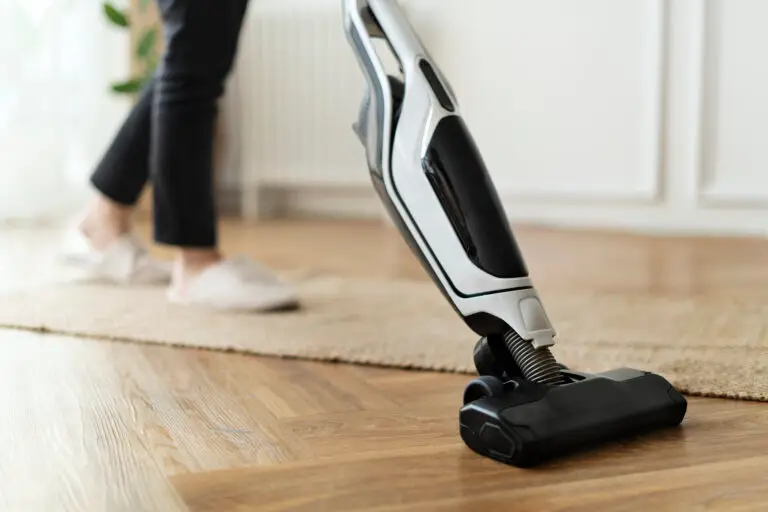
- Dry Soil Removal: Use a high-quality broom or a vacuum with a hard-floor setting to remove crumbs, pet hair, and loose debris.
- Why it matters: If you mix water and grease with loose dust, you create a “sludge” that is much harder to remove and will quickly clog your mop head.
Degreaser or dish soap solution
For most American households, the most accessible and effective degreaser is a high-concentration dish soap (like Dawn) or a dedicated alkaline floor cleaner.
- Mix the Solution: Use hot water (around 120°F–140°F). Heat helps liquefy solidified fats, making the surfactant’s job easier.
- Application: Apply the solution liberally to the floor. Do not just wipe; let the solution “dwell” on the tile for 5 to 10 minutes. This chemical dwell time is what actually breaks down the grease.
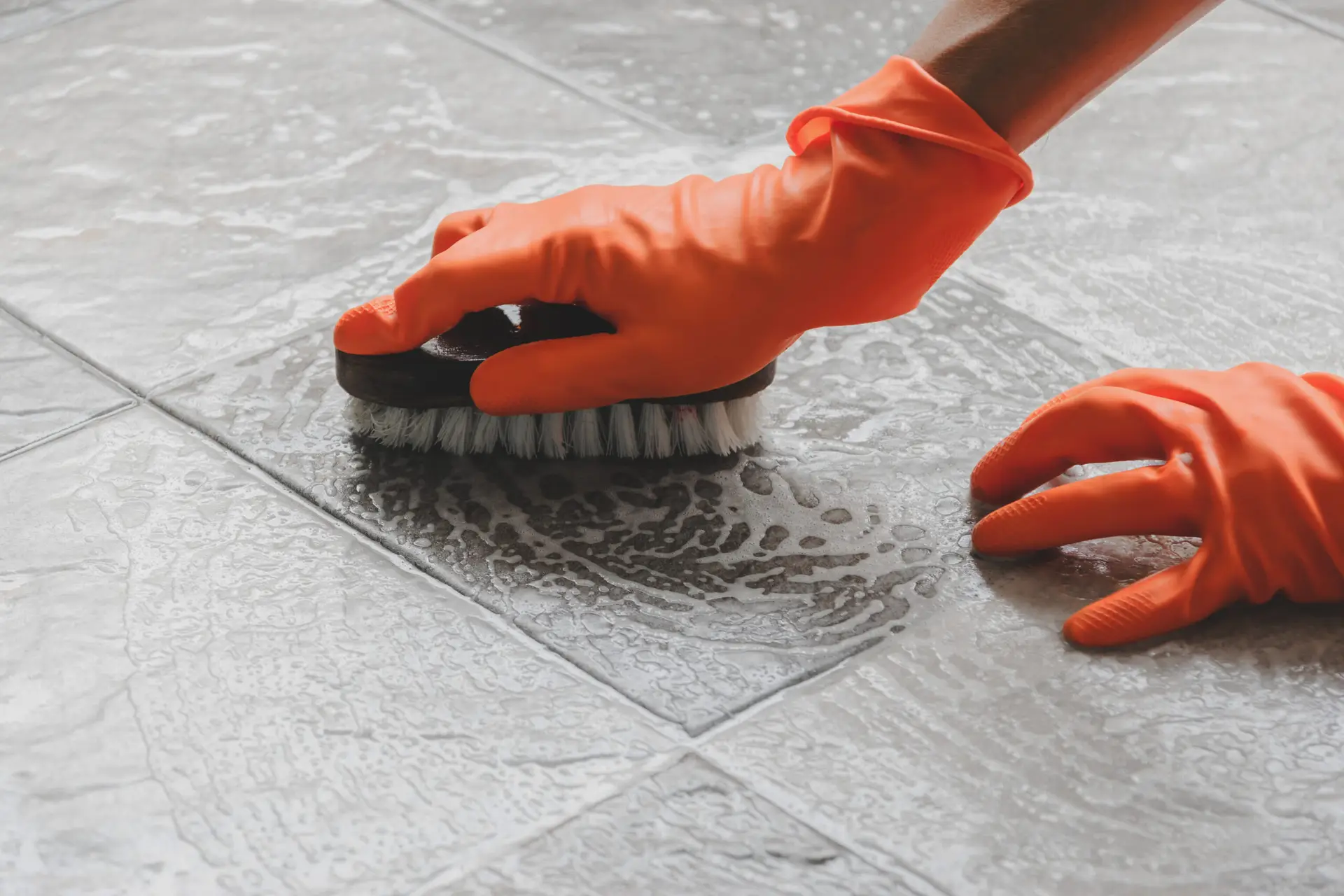
- Scrubbing: Use a deck brush or a stiff-bristled nylon brush, focusing specifically on the grout lines where grease tends to pool.
Rinsing to avoid residue
This is the most skipped, yet most important step. If you allow the soapy, greasy water to dry on the floor, the grease will simply redeposit.
- The Two-Bucket Method: Use one bucket for your cleaning solution and a second bucket of plain, hot water for rinsing.
- Final Pass: After scrubbing, mop up the dirty solution and go over the entire floor with a clean, damp mop to remove any lingering soap film.
Best Cleaners for Greasy Tile Floors
Choosing the right chemical determines the speed and success of your cleaning.
Store-bought vs homemade cleaners
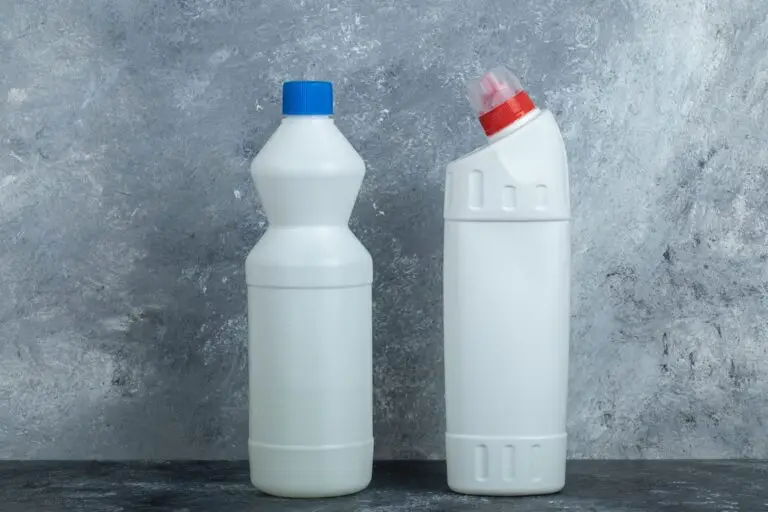
- Commercial Degreasers: Products containing sodium metasilicate or citrus-based solvents (D-Limonene) are excellent for heavy grease. These are common in the US “big box” hardware stores and offer professional-strength results.
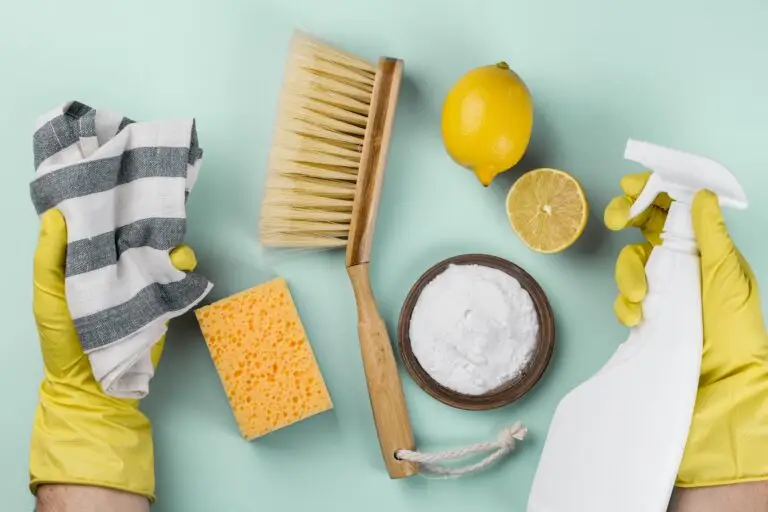
- Homemade Solutions: A mix of 1 gallon of hot water, 1/2 cup of baking soda, and a generous squirt of grease-cutting dish soap is an effective, non-toxic alternative for light-to-moderate buildup.
Safe dilution tips
More is not always better. Using too much cleaner creates a sticky residue that actually attracts more dirt. Always follow the manufacturer’s label. In the US, most concentrated cleaners are designed for a 1:32 or 1:64 dilution ratio for standard floor maintenance.
Preventing Greasy Floors
Prevention is significantly easier than deep cleaning a solidified layer of grease.
Daily spot cleaning
Keep a spray bottle of 50/50 water and white vinegar or a mild degreaser near the stove. Whenever you finish frying or sautéing, do a quick “mist and wipe” in the immediate 3-foot radius of the range. This prevents the grease from ever setting.
Weekly maintenance routines
Don’t wait for the floor to feel “tacky” under your shoes. A weekly mop with a surfactant-based cleaner will keep the buildup manageable. Additionally, ensure your range hood filters are cleaned monthly; a clogged filter allows more grease to settle on your floors.
FAQs
Can vinegar remove grease?
Not effectively on its own. Vinegar is an acid, and grease requires an alkaline cleaner or a surfactant to break down. While vinegar is great for removing hard water spots and adding shine, it will largely slide right over heavy oil. For greasy floors, stick to soap or specialized degreasers.
Why does my floor feel sticky after mopping?
Sticky floors are usually caused by one of two things:
- Leftover Cleaning Solution: You used too much soap and didn’t rinse with plain water.
- Emulsified Grease: The cleaner loosened the grease, but it wasn’t fully lifted off the floor, leaving a thin, tacky film behind.
How often should kitchen floors be deep cleaned?
In an average American household that cooks daily, a deep scrub (using a brush and heavy degreaser) should be done every 3 months. For commercial settings or very active home kitchens, this may need to be a monthly task.
Tired of the “Kitchen Slide”? Let the pros handle the grime! A greasy floor isn’t just an eyesore—it’s a safety hazard for your family. Our professional floor technicians use industrial-grade steam extraction and specialized degreasers to lift years of buildup from your tiles and grout in a single visit. Reclaim your kitchen’s beauty and safety today. Contact us for a free deep-cleaning estimate!