Best Homemade Cleaning Solutions for Every Room
Creating your own cleaning supplies is a fantastic way to reduce your chemical footprint, save money, and ensure you know exactly what is going into your home. At Jama Cleaning Services, we love the simplicity of natural ingredients—but we also know that cleaning science is real. Using the wrong DIY mixture on the wrong surface can lead to dull finishes or permanent damage.
Here is your expert guide to making—and safely using—homemade cleaners throughout your home.
Are Homemade Cleaning Solutions Safe?
Yes, for the most part. They are excellent for everyday maintenance, dusting, and routine spills. However, “natural” does not mean “harmless.” Many common ingredients are acidic or abrasive. The safety of a DIY cleaner depends entirely on the surface it is being applied to. Always remember that DIY solutions are generally cleaners, not disinfectants.
Essential Ingredients for DIY Cleaners
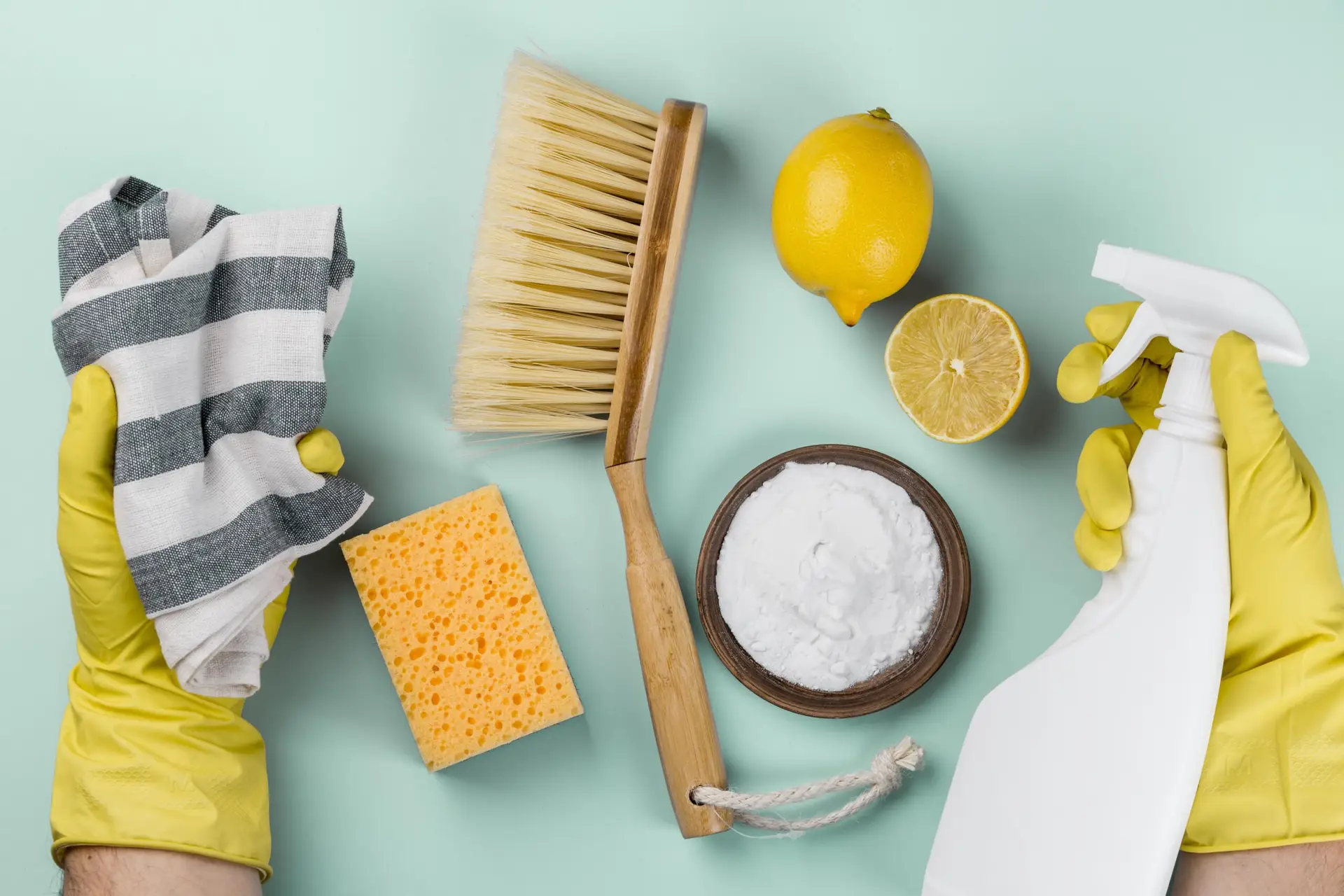
- Distilled White Vinegar: An acid that cuts through mineral deposits and soap scum. Use with caution on natural stone.
- Baking Soda: A gentle abrasive that lifts grime and absorbs odors.
- Dish Soap: A pH-neutral surfactant that lifts grease and dirt.
- Lemon Juice: Contains citric acid; great for natural bleaching and fresh scents.
- Hydrogen Peroxide (3%): An effective, natural alternative to bleach for sanitizing light surfaces and removing stains.
Homemade Cleaner for Kitchens
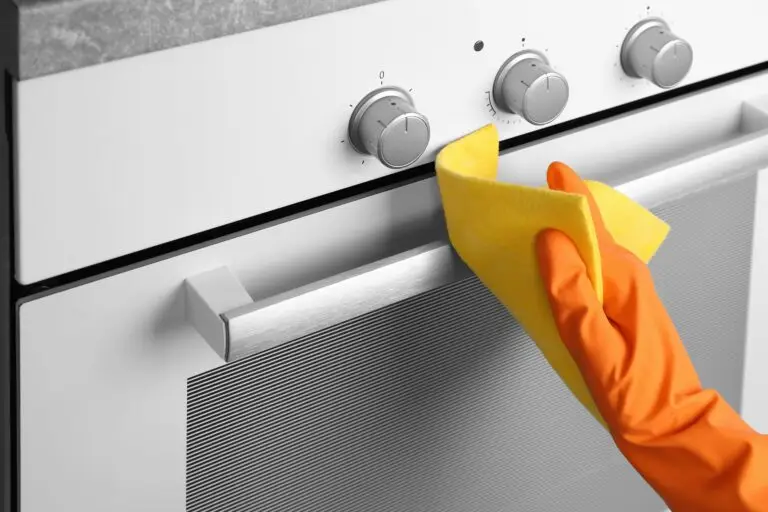
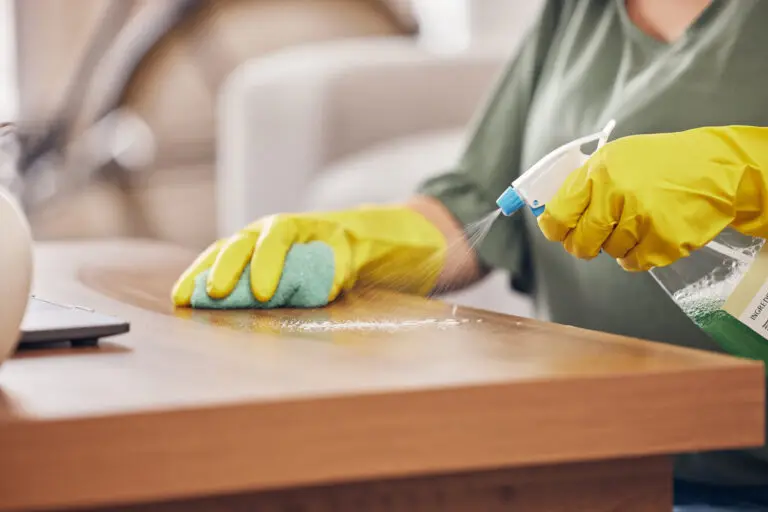
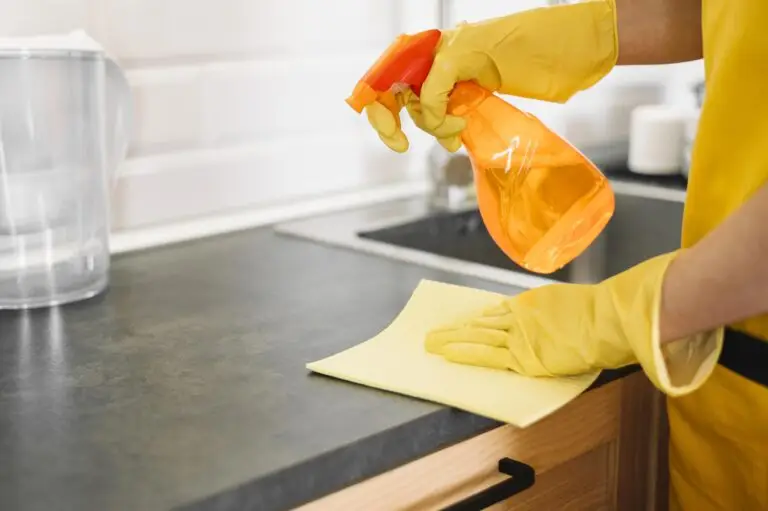
The All-Purpose Degreaser: Mix 1 cup of distilled water, 1/2 cup of white vinegar, and 1 teaspoon of clear dish soap in a spray bottle. This solution cuts through light grease on countertops and stovetops.
- Note: Avoid on granite or marble.
Homemade Cleaner for Bathrooms
The Soap Scum Fighter: Mix 1 part white vinegar with 1 part dish soap. Apply it to shower glass or tile, let it “dwell” for 15 minutes, then scrub and rinse. The soap breaks down the oil in skin cells, while the vinegar dissolves the calcium in water spots.
Homemade Cleaner for Glass and Mirrors
The Streak-Free Spray: Mix 1/4 cup white vinegar, 1/4 cup rubbing alcohol (70%), and 2 cups water. The alcohol helps the mixture evaporate quickly, which is the secret to a streak-free finish.
Homemade Cleaner for Floors
The Hardwood/Laminate Refresh: Mix 1 gallon of warm water with 1 tablespoon of pH-neutral dish soap. Less is more. For wood floors, keep the mop very lightly damp to avoid moisture damage.
Surfaces You Should Not Clean With DIY Solutions
- Natural Stone (Granite, Marble, Quartzite): Vinegar and lemon juice are acids and will “etch” (permanently pit) these surfaces. Use only pH-neutral stone cleaners.
- Hardwood Finishes: Harsh DIY mixes can strip the protective finish over time.
- Electronic Screens: DIY sprays can damage the anti-reflective coatings on TV and computer monitors.
When Commercial Cleaners Are Better
DIY cleaners are fantastic for cleaning, but they aren’t always disinfectants. If you are dealing with raw meat spills, serious bathroom contamination, or a household with illness, a commercial EPA-registered disinfectant is required to kill viruses and harmful bacteria.
FAQ
What is the best homemade all-purpose cleaner?
A blend of distilled water, a splash of vinegar, and a few drops of dish soap is the ultimate all-purpose cleaner for non-porous, non-stone surfaces.
Can you mix vinegar and baking soda?
You can, but it’s mostly for the “fizz.” When mixed, they neutralize each other into a salt-water solution. They are best used sequentially: apply baking soda to scrub, then spray vinegar to lift the loosened grime.
Is homemade cleaner safe for all surfaces?
No. Surfaces like marble, granite, and delicate wood are sensitive to the acidity of vinegar and lemon. Always check the manufacturer’s care guide for your specific materials.
What should you not clean with vinegar?
Never use vinegar on granite, marble, limestone, or any natural stone. The acid will dull the surface immediately and permanently.
Are DIY cleaners disinfectants?
No. While vinegar and alcohol have some antimicrobial properties, they do not meet the FDA/EPA standards required to officially “disinfect” a surface. For deep sanitization, use a proven commercial disinfectant.
Does your home need a professional deep clean? While DIY solutions are great for maintaining a clean space, sometimes you need the power of professional-grade equipment and expertise to handle the heavy lifting.
Contact Jama Cleaning Services today to book your next professional cleaning!