Best Way to Clean Stainless Steel Appliances
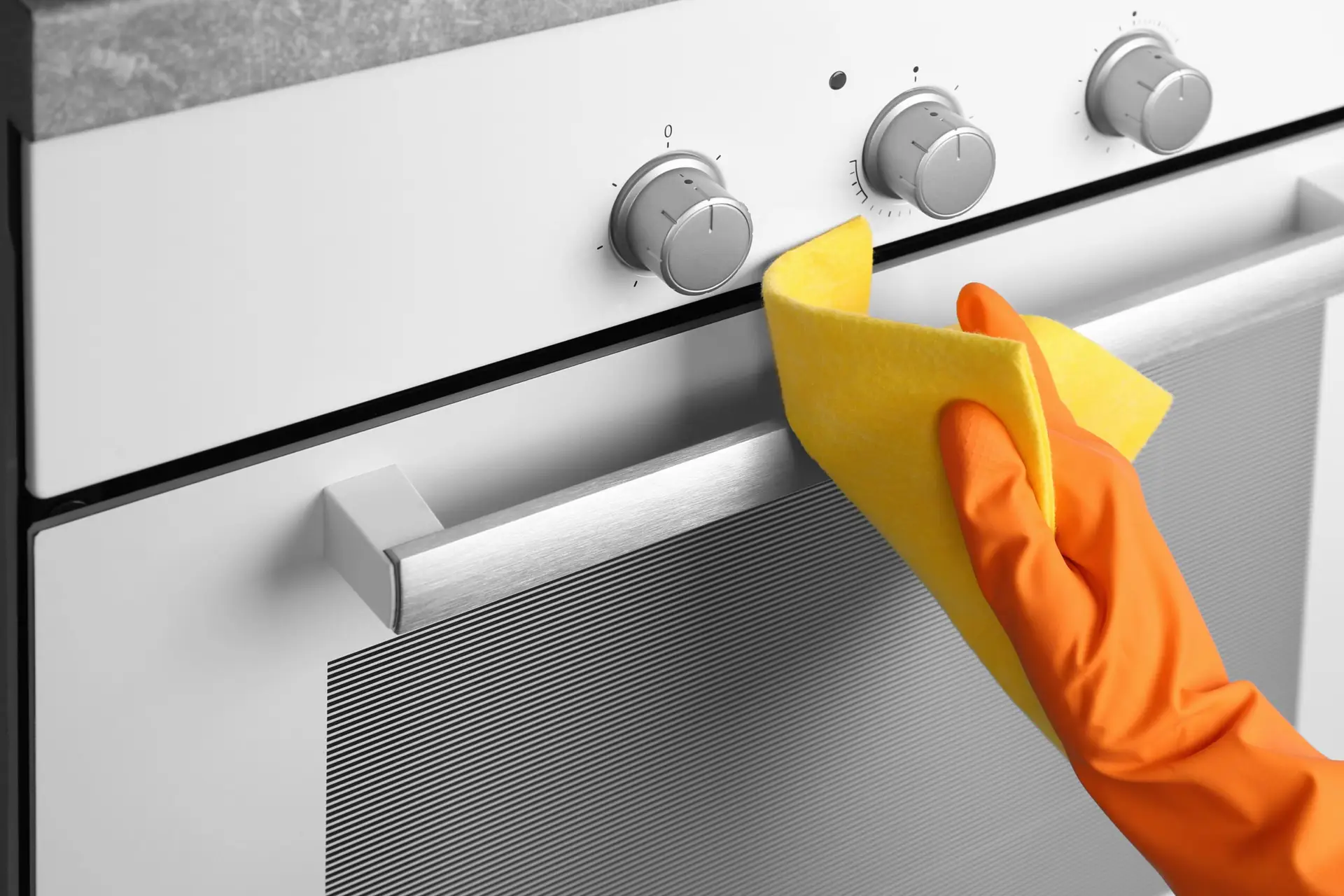
Stainless steel is the hallmark of a modern, professional kitchen. Yet, it’s notoriously tricky to maintain. That “high-end” look is easily marred by fingerprints, greasy smears, and cloudy streaks that seem to appear the moment you finish cleaning.
At Jama Cleaning Services, we’ve mastered the art of the streak-free shine. The secret isn’t just a “magic” product—it’s understanding the unique physical grain of the metal and using the right techniques to avoid damaging its protective layer.
Why Stainless Steel Shows Fingerprints and Streaks
Stainless steel isn’t perfectly smooth. If you look closely, you’ll see tiny, parallel lines—this is the grain of the metal. When you touch it, natural oils from your skin are deposited into these microscopic grooves.
Streaks occur when your cleaning method fails to fully remove these oils or when the cleaner itself leaves behind a film that dries unevenly. Furthermore, using the wrong tools (like paper towels) or wiping across the grain traps residue, making the surface look dull or “smudgy” almost immediately.
Best Products for Stainless Steel Appliances
You don’t need a shelf full of harsh chemicals to get that showroom gleam.
- Dish Soap and Warm Water: The safest, most reliable way to break down kitchen grease without risking chemical damage.
- Specialized Stainless Steel Cleaner: For a deep clean or high-gloss finish, use a brand-approved cleaner (like Weiman) that leaves a protective barrier against fingerprints.
- Microfiber Cloths: Essential. Their fine fibers lift oils and residue without scratching the finish.
- What About Vinegar? Use with caution. While some people recommend vinegar, it is acidic. Long-term or frequent use can eventually dull the metal’s finish. If you use it, ensure it is heavily diluted and rinsed away thoroughly.
How to Clean Stainless Steel Appliances Step by Step
1. Identify the Direction of the Grain
Before you start, look closely at your appliance. Do the lines run horizontally or vertically? Always wipe in the direction of these lines. Wiping against the grain drags residue into the microscopic grooves, which is the #1 cause of stubborn streaks.
2. Wipe With a Gentle Cleaner
Dampen a microfiber cloth with warm water and a drop of mild dish soap. Wring it out well so it is barely damp. Wipe the surface gently in the direction of the grain to lift off grease and fingerprints.
3. Rinse With a Damp Cloth
Using a second cloth dampened only with clean water, wipe the surface again to remove any soap film. Soap residue is the “hidden enemy” that creates streaks when it dries.
4. Dry and Buff for a Streak-Free Finish
This is the step most people skip. Use a dry, clean microfiber cloth to buff the surface until it is bone-dry. This final buffing pulls out the shine and ensures no water spots remain.
What Not to Use on Stainless Steel
- Steel Wool/Abrasive Sponges: These will permanently scratch the finish.
- Harsh Powders: Products like Comet or Ajax contain abrasives that can scour the metal.
- Ammonia-Based Cleaners (Windex): These are the worst culprits. Ammonia erodes the protective chromium oxide layer of the stainless steel, leading to pitting, dullness, and eventual rust.
- Acidic Cleaners on Coated Appliances: Many “fingerprint-resistant” stainless steels have a delicate clear coat that acidic cleaners (like vinegar or lemon) will strip away.
How to Remove Fingerprints From Stainless Steel
For a quick fix, take a soft, dry microfiber cloth and buff the area with the grain. The friction from the cloth will often redistribute or lift the skin oils enough to make the print disappear without needing any additional product.
How to Keep Stainless Steel Clean Longer
The secret to less cleaning is a protective barrier. After a deep clean, applying a specialized stainless steel polish creates a thin, food-safe oil layer that repels water spots and prevents fingerprints from sticking so easily.
Professional Kitchen Cleaning Tips
At Jama Cleaning Services, we know that appliances are often the focal point of a clean kitchen. We recommend focusing your efforts on the “high-touch” zones—handles and control panels—which require daily attention, while saving the full-surface deep clean for your weekly routine.
FAQ
What is the best homemade cleaner for stainless steel?
A mixture of one teaspoon of mild dish soap in a quart of warm water is the gold standard. It’s effective, safe, and doesn’t leave a chemical film.
Can you use Windex on stainless steel?
No. Avoid ammonia-based glass cleaners entirely. They can erode the protective finish of your stainless steel, leading to a cloudy appearance and eventually leaving the metal vulnerable to corrosion.
How do you clean stainless steel without streaks?
The key is rinsing and buffing. Streaks are usually leftover soap or hard water minerals. Always finish by wiping with a clean, damp cloth and immediately buffing the surface dry with a separate, dry microfiber cloth.
Should you wipe stainless steel with the grain?
Yes, absolutely. Wiping with the grain ensures your cloth cleans inside the microscopic grooves of the finish. Wiping across the grain drags dirt into the grooves, creating a hazy, streaky look.
Can baking soda scratch stainless steel?
Technically, yes. Baking soda is a mild abrasive. While it can be used for very stubborn spots, it should always be mixed into a wet paste and applied with very light pressure using a soft cloth to avoid permanent micro-scratches.
Is your kitchen ready for a professional shine?
From stovetops to refrigerators, the experts at Jama Cleaning Services know how to handle your appliances with care, ensuring they stay spotless and protected.
Click here to book a professional cleaning service with Jama Cleaning Services today and let us handle the shine!