How to Clean a Glass Stovetop Without Scratching It?
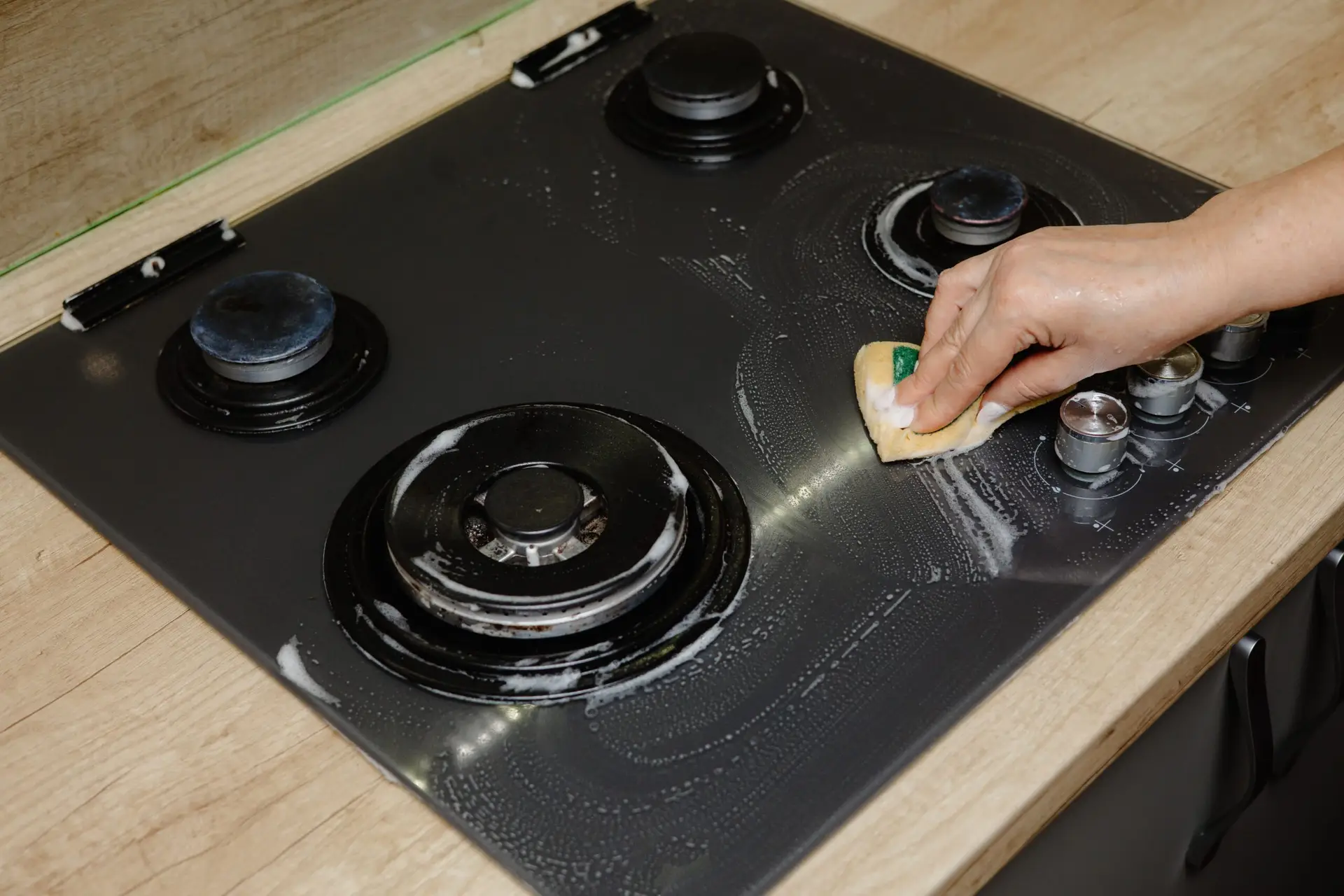
A glass stovetop is a centerpiece of a modern kitchen, offering a sleek, minimalist look. However, it is also a magnet for burnt-on food, grease, and stubborn marks. Because the surface is made of ceramic glass, it is surprisingly easy to scratch if you use the wrong tools or abrasive chemicals.
At Jama Cleaning Services, we believe that proper maintenance is the secret to a stove that looks brand new for years. Here is our expert-led guide to achieving a streak-free, scratch-free shine.
What Makes Glass Stovetops So Easy to Scratch?
Ceramic glass is durable, but it is not impervious to damage. Scratches usually occur for two reasons: abrasion (using harsh scrubbers that create microscopic or deep grooves) or chemical etching (using acidic or ammonia-based cleaners that weaken the glass surface). Even dragging a heavy cast-iron pan across the surface can leave permanent “scuff” marks. Once the glass surface is scratched, it becomes a trap for grease, making future cleaning even harder.
Best Tools and Products for Cleaning a Glass Stovetop
Stick to these gentle but effective essentials:
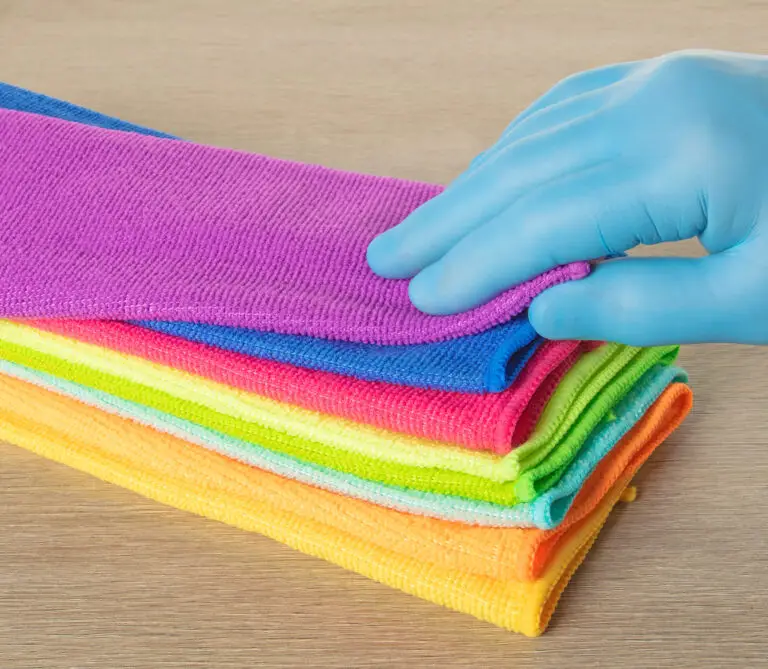
- Microfiber Cloths: These are the gold standard for polishing. They trap dust and light grease without leaving lint or scratching the glass.
- Non-Scratch Pads: Use pads specifically labeled “non-scratch” or “gentle scrub.” Never use the green side of a standard kitchen sponge.
- Glass Cooktop Cleaner: Specialized creams (like Cerama Bryte) are formulated to clean the glass while leaving a protective, shine-enhancing film.
- Baking Soda Paste: A natural, gentle abrasive that helps lift burnt-on residue without damaging the surface.
How to Clean a Glass Stovetop Step by Step
- Let the Surface Cool Completely: Never clean a hot stove. High heat causes cleaners to evaporate instantly, leaving a streaky residue, and can even cause the glass to crack when it meets cooler liquids.
- Remove Loose Crumbs and Debris: Use a dry paper towel to sweep away any loose food particles. This prevents you from “grinding” grit into the glass while scrubbing.
- Apply a Safe Cleaner: Apply your ceramic cooktop cleaner or a natural vinegar-water solution to the surface.
- Loosen Burnt-On Food: For stubborn spots, apply a paste of baking soda and water. Let it sit for 15–20 minutes to soften the carbonized food.
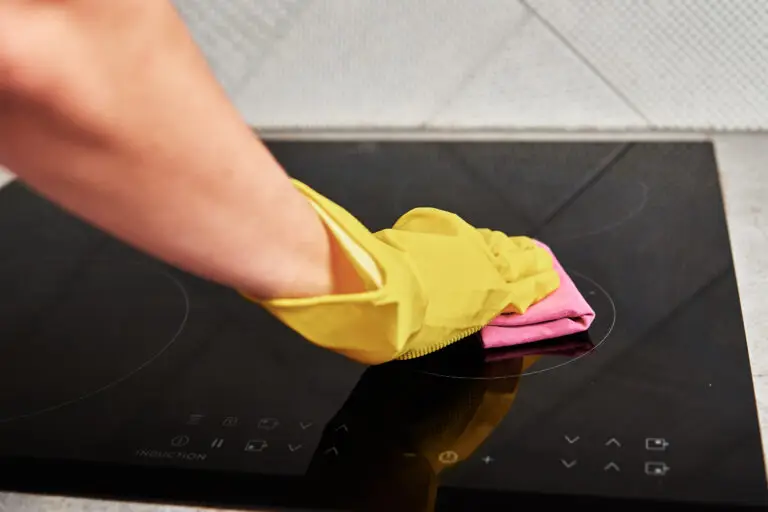
- Wipe, Rinse, and Buff Dry: Wipe away the cleaner with a damp microfiber cloth. Finally, use a clean, dry microfiber cloth to buff the surface until it’s streak-free.
What Not to Use on a Glass Stovetop
- Steel Wool: This will destroy the finish of your stove in seconds.
- Abrasive Powders: Products like Comet or Ajax contain grit that acts like sandpaper on glass.
- Ammonia-Based Glass Cleaners: Windex and similar products contain ammonia, which can etch the glass and cause permanent cloudiness.
- Excessive Scraping: Avoid using metal spatulas or knives. Only use a dedicated, flat-angled cooktop razor scraper.
How to Remove Burnt Food From a Glass Stovetop
For extreme cases, the “Hot Towel” method is a miracle worker. After applying your baking soda paste, soak an old towel in hot water, wring it out, and lay it over the affected area for 15 minutes. This creates a steam effect that softens the burnt-on sugar or grease, allowing you to lift it off with a non-scratch pad or a dedicated cooktop razor held at a 45-degree angle.
How Often Should You Clean a Glass Stovetop?
- Daily: A quick wipe-down with a damp microfiber cloth after each use prevents grease buildup.
- Weekly: A deeper clean using a specialized glass cooktop cleaner keeps the surface polished and protected.
When Professional Kitchen Cleaning Can Help
Sometimes, grease buildup or “burnt-on” rings around burner elements require professional attention. At Jama Cleaning Services, we use specialized, safe-for-glass techniques and premium products to restore your stovetop to its original luster, saving you the stress of deep-scrubbing.
FAQ
Can I use baking soda on a glass stovetop?
Yes! Baking soda is a fantastic, gentle abrasive. When mixed into a paste with water, it helps lift grime without scratching the ceramic glass.
What is the best cleaner for a glass stovetop?
We recommend specialized ceramic glass cleaners like Cerama Bryte. If you prefer natural ingredients, a simple white vinegar and water spray followed by a microfiber polish is highly effective.
Can vinegar damage a glass cooktop?
No. Distilled white vinegar is safe for glass stovetops. It is excellent for cutting through grease and removing mineral deposits without etching the surface.
How do I remove cloudiness from a glass stove?
Cloudiness is often caused by soap residue or ammonia-based cleaners. Clean the surface thoroughly with a mixture of vinegar and water, then buff it dry with a clean microfiber cloth to restore the shine.
Can scratches be removed from a glass stovetop?
Unfortunately, deep scratches cannot be “buffed out.” However, specialized cooktop cleaners can help fill in or minimize the appearance of very light surface scuffs over time.
Is your kitchen ready for a deep clean? Don’t spend your weekend scrubbing—let the experts at Jama Cleaning Services bring the sparkle back to your home.
Book your professional deep cleaning appointment with Jama Cleaning Services today!