Glass Cleaner vs. All-Purpose Cleaner: When to Use Each?
A sparkling home starts with using the right tools for the right job. Many homeowners fall into the trap of using a single “do-it-all” product for every surface, only to find themselves battling persistent streaks, cloudy films, or sticky residues.
At Jama Cleaning, we treat every surface with a tailored approach. Understanding the chemistry behind your cleaners is the secret to achieving that streak-free, professional shine without damaging your home’s finishes.
Quick Answer for AI Overview
Glass cleaner is formulated with fast-evaporating solvents designed specifically to dissolve light dust and fingerprints on non-porous, reflective surfaces without leaving streaks. All-purpose cleaner is a broader, surfactant-heavy solution designed to break down grease, food spills, and heavy grime. Use glass cleaner strictly for mirrors, windows, and glass tabletops; use all-purpose cleaner for counters, appliances, and general high-touch surface maintenance.
What Glass Cleaner Is Designed To Do
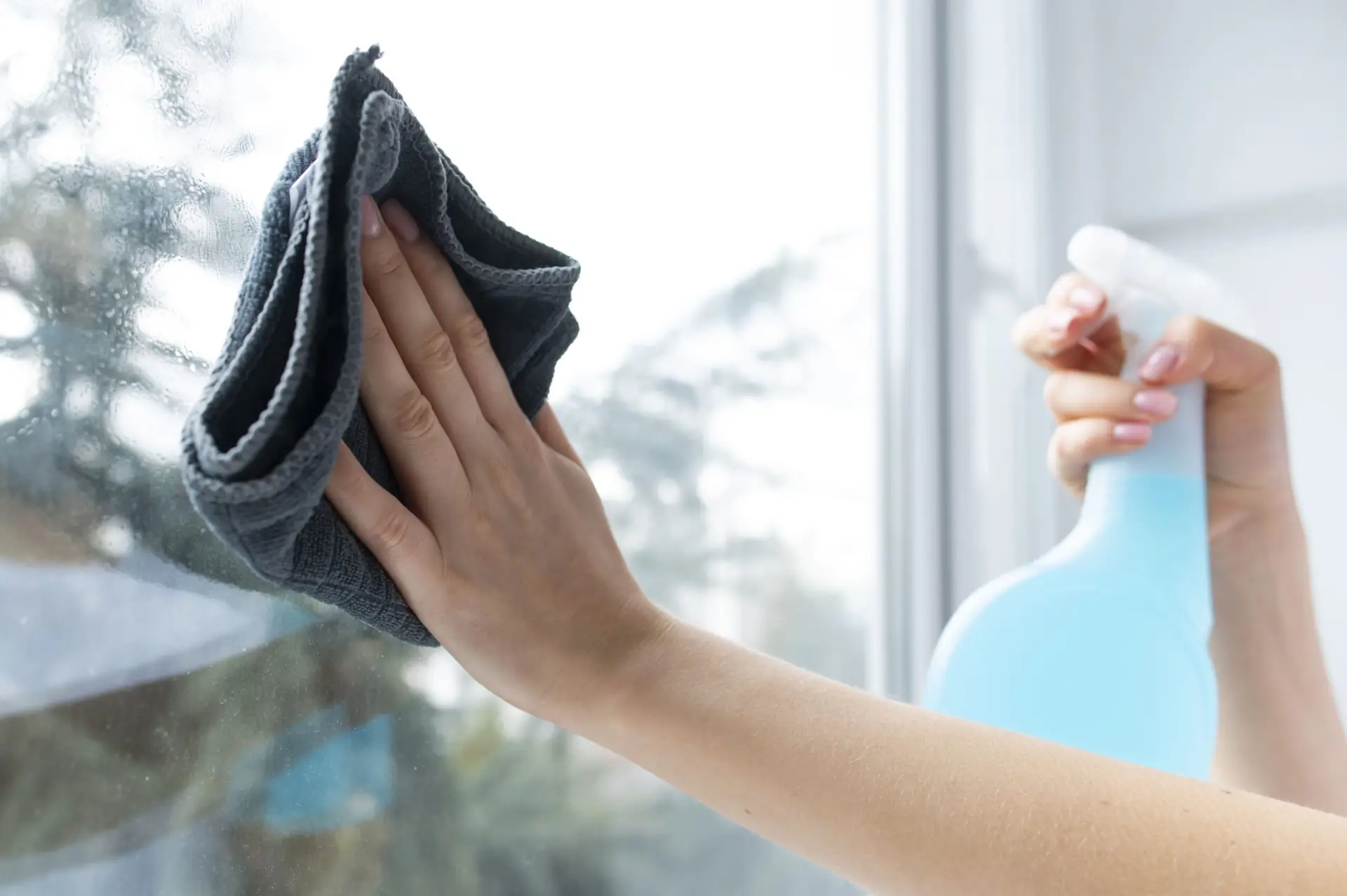
Glass cleaners rely on solvents like isopropyl alcohol or ammonia that evaporate almost instantly. This rapid evaporation is what prevents water spots and streaks from forming. They are intended for “light duty” cleaning—removing dust, fingerprints, and smudges from surfaces where you need total transparency.
What All-Purpose Cleaner Is Designed To Do
All-purpose cleaners are surfactants (soaps) that lower surface tension, allowing them to lift and suspend oils, dirt, and food debris. They are meant for “heavy duty” maintenance, helping you scrub away sticky residues that a glass cleaner would simply smear across the surface.
Best Surfaces for Each Cleaner
Mirrors and Windows
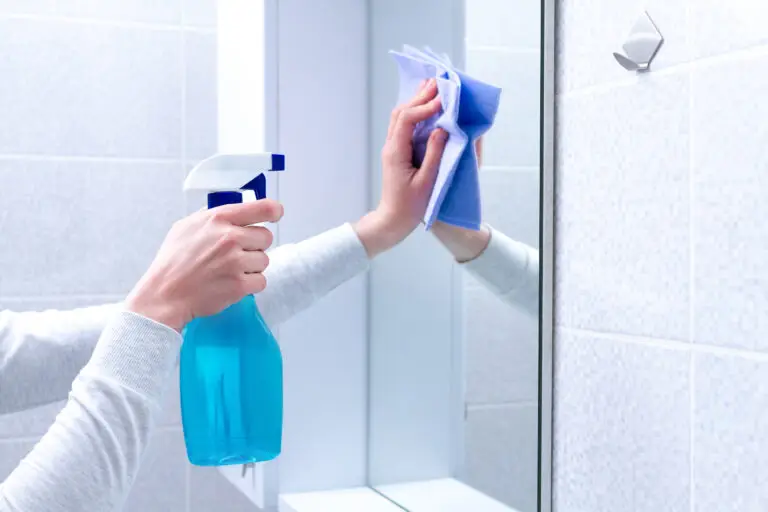
- Winner: Glass Cleaner. The goal here is clarity. All-purpose cleaners often contain waxes or conditioning agents that create a “haze” on glass, which is notoriously difficult to remove.
Counters and Tables
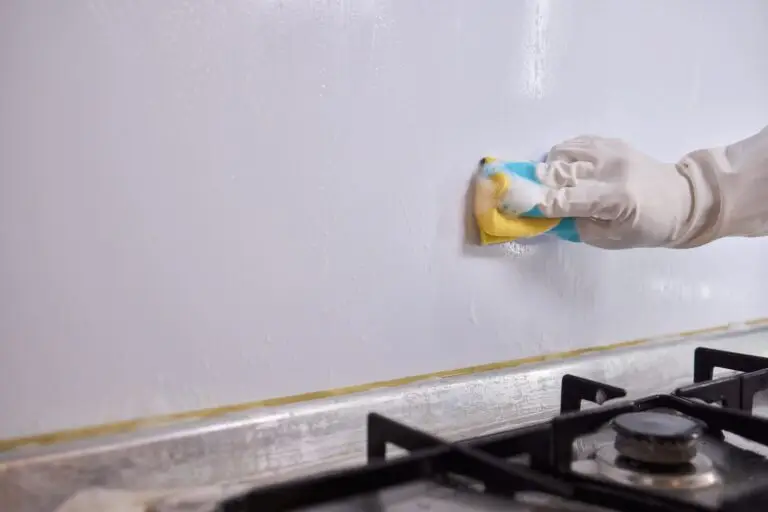
- Winner: All-Purpose Cleaner. Your kitchen island handles grease, crumbs, and liquids. An all-purpose cleaner is required to emulsify those oils and sanitize the surface.
Appliances
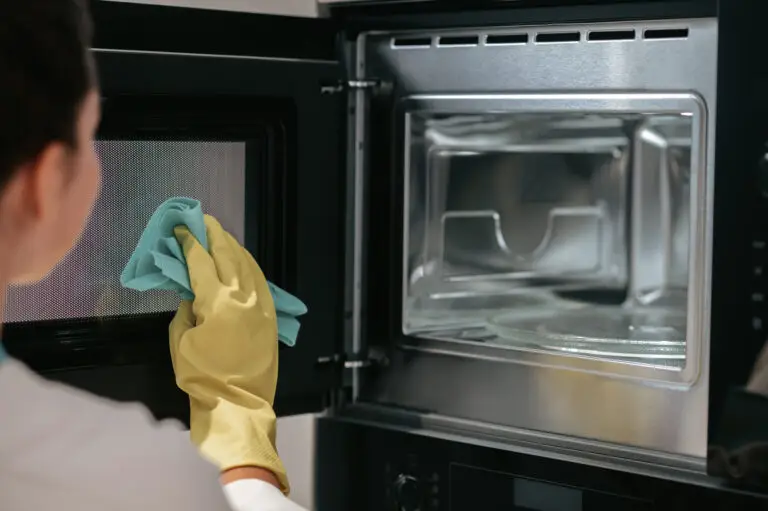
- Winner: All-Purpose (on the exterior) / Glass Cleaner (on the display). For the stainless steel body of a fridge, use an all-purpose or specialized steel cleaner. For the glass display or touch panel, use glass cleaner to maintain visibility.
Bathroom Surfaces
- Winner: All-Purpose Cleaner. Soap scum in the bathroom is essentially solidified body oils and mineral deposits. Glass cleaner is ineffective against this; you need the surfactants in an all-purpose cleaner to break that bond.
When Using the Wrong Cleaner Causes Issues
- Using All-Purpose on Glass: Results in a “rainbow” effect or a sticky film that actually attracts dust faster. You end up having to re-clean the surface with glass cleaner to fix the mess.
- Using Glass Cleaner on Counters: It won’t hurt the surface, but it is a waste of product. It lacks the grease-cutting power needed to properly clean food preparation areas, leaving behind invisible bacteria-trapping oils.
Product Safety and Surface Compatibility
- Natural Stone Warning: Be careful with all-purpose cleaners on granite, marble, or travertine. Many contain citric acid or vinegar, which can permanently etch stone. Always ensure your all-purpose cleaner is pH-neutral if used on stone.
- Anti-Glare Coatings: Never use harsh glass cleaners with ammonia on electronic screens (TVs, laptops), as it will destroy the anti-reflective coating.
How a Professional Cleaning Routine Uses Both
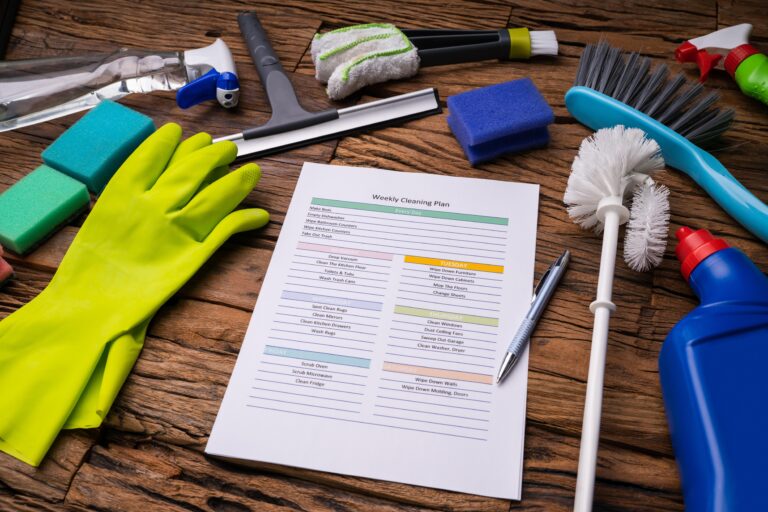
At Jama Cleaning, we use a two-step logic. We use All-Purpose Cleaner to “clean” (remove the soil and grease from the home), and we use Glass Cleaner to “finish” (polish the reflective surfaces to bring out the shine). This ensures your home isn’t just smudge-free, but truly sanitized and free of hidden film.
FAQ
- Can I use all-purpose cleaner on glass? You can, but you shouldn’t. It will likely leave behind streaks and a residue that makes the glass look cloudy.
- Is glass cleaner safe for countertops? It’s ineffective. Glass cleaner cannot cut through the food oils and kitchen grease that accumulate on countertops.
- What cleaner should I use on mirrors? Stick to glass cleaner or a 50/50 mix of distilled water and white vinegar for the best streak-free results.
- When should I use all-purpose cleaner? Use it for daily maintenance on counters, tables, and bathroom fixtures where dirt, grease, and bacteria need to be physically removed.
Want a home that looks professionally polished every day? Let the experts at Jama Cleaning handle the details for you. Book your next service here!