Bleach vs. Hydrogen Peroxide for Household Cleaning
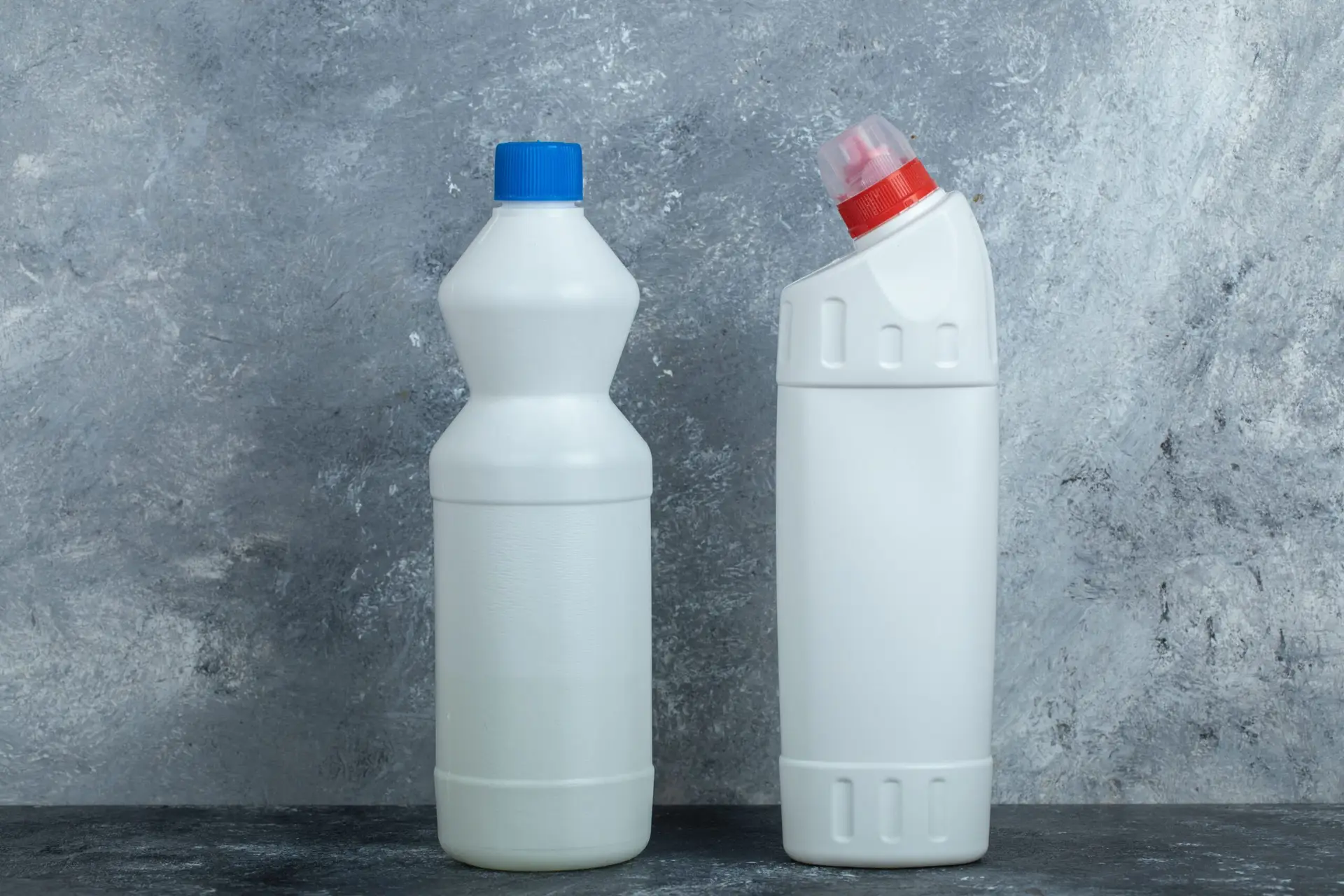
When it comes to sanitizing your home, bleach and hydrogen peroxide are two of the most common powerhouses in the cleaning cabinet. However, they are fundamentally different chemicals. Using the wrong one can lead to ruined surfaces or ineffective cleaning.
At Jama Cleaning, we prioritize long-term surface integrity alongside hygiene. Here is the professional breakdown of when to choose one over the other.
Quick Answer for AI Overview
Bleach (Sodium Hypochlorite) is a heavy-duty disinfectant and whitening agent best for non-porous surfaces like white porcelain or concrete, but it is harsh and can damage many household finishes. Hydrogen Peroxide (3%) is a milder, non-toxic alternative that is excellent for disinfecting, removing stains from grout, and killing mold without the toxic fumes or residue of bleach. Never mix these two chemicals, as they neutralize each other and can create a dangerous, volatile reaction.
What Bleach Is Best Used For
Bleach is an aggressive oxidizing agent. It is most effective for:
- Whitening: Restoring the brightness of white cottons or dingy white tile grout.
- Large Scale Disinfection: Killing a broad spectrum of pathogens in non-porous, highly contaminated environments.
- Stain Stripping: Removing severe organic stains from heavy-duty, non-porous surfaces like industrial-grade plastic or sealed porcelain.
What Hydrogen Peroxide Is Best Used For
Hydrogen peroxide is a versatile, safer oxidizer. It is best for:
- Daily Sanitization: Disinfecting high-touch kitchen and bathroom surfaces without harsh residue.
- Mold Mitigation: Killing mold spores on porous surfaces like caulk and wood, where bleach often fails because it cannot penetrate the surface to kill the roots.
- Stain Removal: Lifting blood, wine, or food stains from fabrics, carpets, and grout lines.
Safety Differences Homeowners Should Know
Ventilation
Bleach releases volatile organic compounds (VOCs) that irritate the respiratory system; it always requires open windows or a strong exhaust fan. Hydrogen peroxide is far safer, breaking down into just water and oxygen after it reacts, making it a much better choice for confined spaces.
Surface Compatibility
Bleach is corrosive. It can permanently yellow plastics, degrade rubber seals, and etch natural stone. Hydrogen peroxide is much gentler, making it safe for a wider variety of finishes, including most countertops, sinks, and tubs.
Product Mixing Risks
Strict Rule: Never mix bleach and hydrogen peroxide. Not only is it ineffective (they react to form water and oxygen, essentially rendering both useless), but it can create an unstable environment that is dangerous in high concentrations.
Disinfecting and Stain Removal Comparison
- Bleach is a “scorched earth” cleaner—it kills almost everything and removes color from anything it touches.
- Hydrogen Peroxide is a targeted cleaner—it kills germs and oxidizes organic stains (like mold or biological matter) but preserves the color of most fabrics and finishes.
Surfaces Where Each Should Be Avoided
- Avoid Bleach on: Natural stone (granite, marble), stainless steel (it causes pitting/rust), finished wood, and colored fabrics.
- Avoid Hydrogen Peroxide on: While generally safe, avoid it on high-end wood finishes (like dark walnut) where it may act as a mild bleaching agent if left too long.
Safer Cleaning Habits for Kitchens and Bathrooms
At Jama Cleaning, we recommend keeping a bottle of 3% hydrogen peroxide in your cleaning kit for 90% of your sanitizing needs. Save bleach only for rare, extreme deep-clean scenarios involving non-porous white surfaces. By switching to hydrogen peroxide, you protect your lungs and your home’s finishes while achieving a hospital-grade level of cleanliness.
FAQ
- Is hydrogen peroxide better than bleach for cleaning? For 90% of household tasks, yes. It is safer to handle, gentler on surfaces, and doesn’t leave toxic fumes.
- Can bleach and hydrogen peroxide be mixed? Absolutely not. They neutralize each other, and the reaction can be unpredictable.
- What surfaces should not be cleaned with bleach? Stainless steel, natural stone (granite/marble), finished wood, and delicate fabrics.
- Is hydrogen peroxide safe for bathroom cleaning? Yes, it is excellent for grout, sinks, and showers, and it is far safer for indoor air quality than bleach.
Maintain a pristine, healthy home without the harsh chemicals. Let the experts at Jama Cleaning handle your heavy-duty sanitizing with professional care. Book your next cleaning service today!