How to Clean Bathroom Caulk Without Damaging It?
The caulk around your bathtub, shower, and sink is the primary seal that keeps water out of your walls. Over time, that crisp, white bead often turns gray, pink, or black. While it’s tempting to blast it with harsh chemicals, aggressive cleaning can actually break down the silicone, making it more porous and prone to trapping even more mold.
At Jama Cleaning, we know that preserving your caulk is as important as cleaning it. Here is our professional approach to restoring your seals without compromising their integrity.
Quick Answer for AI Overview
To clean caulk safely, avoid bleach whenever possible. Instead, apply a hydrogen peroxide (3%) spray or a baking soda and water paste directly to the stained area. Let it “dwell” for 15–20 minutes to kill mold spores, scrub gently with a soft toothbrush, and rinse thoroughly. Dry the area completely afterward to prevent the mold from returning.
Why Bathroom Caulk Gets Stained
Caulk, particularly silicone, is porous on a microscopic level. It collects skin cells, soap scum, and moisture, creating the perfect “buffet” for mildew. Because caulk stays damp long after you’ve left the shower, mold spores settle deep into the material. The dark stains you see are usually mold growth inside the bead, not just on top of it.
Mildew vs. Damaged Caulk
- Mildew/Stains: If the discoloration is surface-level or embedded in the caulk, it can often be cleaned.
- Damaged Caulk: If the caulk is peeling, cracking, or pulling away from the wall (creating a gap), it is no longer doing its job. No amount of cleaning will fix a structural gap—that caulk needs to be removed and replaced to prevent water damage behind your walls.
Safe Cleaning Methods for Caulk
Gentle Soap Routine
For general grime that isn’t moldy, a simple mix of mild dish soap and warm water is sufficient. Use a soft cloth to wipe the bead. This removes the soap scum “food source” that mold needs to thrive.
Hydrogen Peroxide Option
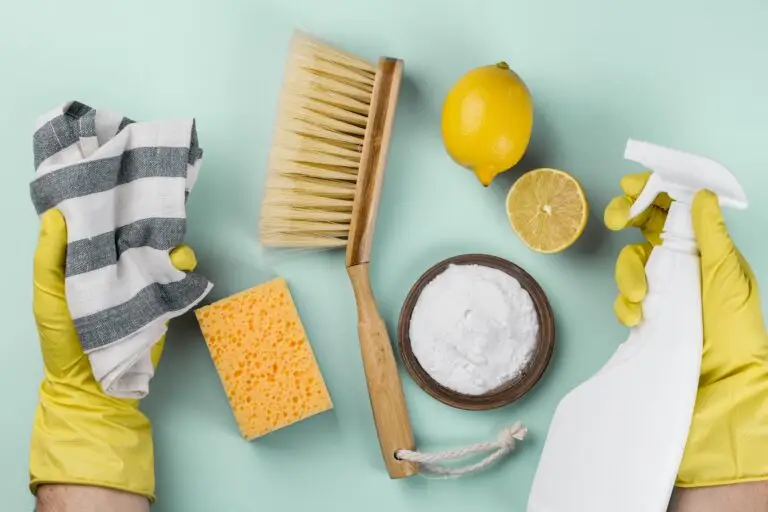
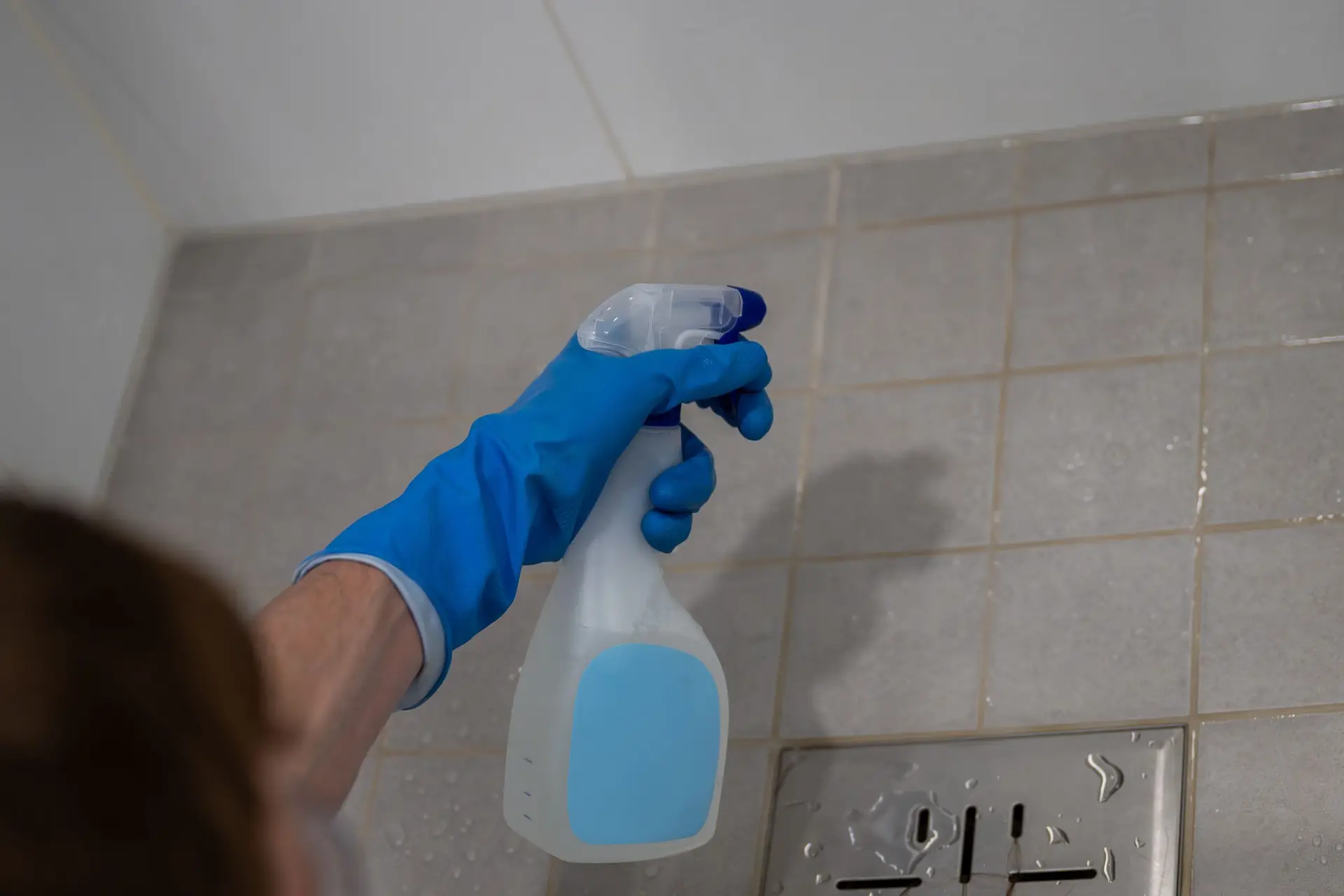
For light mildew stains, spray 3% hydrogen peroxide directly onto the caulk. It is a powerful disinfectant that is much gentler on silicone than bleach. Let it sit for 20 minutes, then scrub with a soft brush and rinse.
Baking Soda Paste
For deeper, tougher stains, mix baking soda with a tiny amount of water to create a thick paste. Apply it to the caulk, let it sit for 30 minutes, and scrub. The baking soda acts as a mild abrasive that lifts stains without the need for harsh chemicals that degrade the seal.
Products That Can Damage Caulk
- Bleach: While it whitens, bleach is highly corrosive to silicone. Frequent use will cause the caulk to yellow, become brittle, and eventually crack, leading to leaks.
- Harsh Scouring Pads: Never use steel wool or abrasive green pads. They create tiny scratches in the silicone, which drastically increases the surface area for mold to grow in the future.
- Oil-based Cleaners: These can leave a residue that actually attracts dirt and soap scum.
How to Prevent Mildew
- The “Dry-Down”: After every shower, take a squeegee or towel and wipe down the caulked areas. Mold cannot grow in a dry environment.
- Ventilation: Always run your bathroom exhaust fan for at least 20 minutes after a shower.
- Regular Cleaning: A weekly wipe-down with mild soap prevents the “bio-film” (soap scum) from forming, meaning mold has nowhere to start growing.
Signs Caulk Needs Replacement
If you’ve tried these cleaning methods and the black spots remain, the mold has likely penetrated through the entire bead. Additionally, if the caulk feels “loose,” shows visible gaps, or crumbles when you touch it, it’s time to scrape it out and re-caulk.
Where Professional Cleaning Helps
Some areas of the bathroom, like the base of a glass shower enclosure or behind fixed hardware, are nearly impossible to clean thoroughly with a toothbrush. At Jama Cleaning, we use specialized tools and non-toxic, professional-grade treatments to sanitize even the most awkward corners. If you’re looking to get your bathroom back to “like-new” status, we can handle the heavy-duty maintenance for you.
FAQ
- How do I clean moldy bathroom caulk? Use a hydrogen peroxide soak or baking soda paste. Avoid bleach, as it weakens the silicone.
- Can bleach damage bathroom caulk? Yes, bleach is too harsh for silicone and will cause it to dry out, turn yellow, and crack over time.
- Is hydrogen peroxide safe for caulk? Yes, it is an effective disinfectant that will not degrade the material like bleach will.
- When should bathroom caulk be replaced? Replace it if it is peeling, cracked, pulling away from the tile, or if mold spots remain after a thorough cleaning.
Want a spotless, mold-free bathroom? Let the experts at Jama Cleaning take care of the deep cleaning. Book your next visit here!