How to Remove Rust Stains From Bathroom Surfaces?
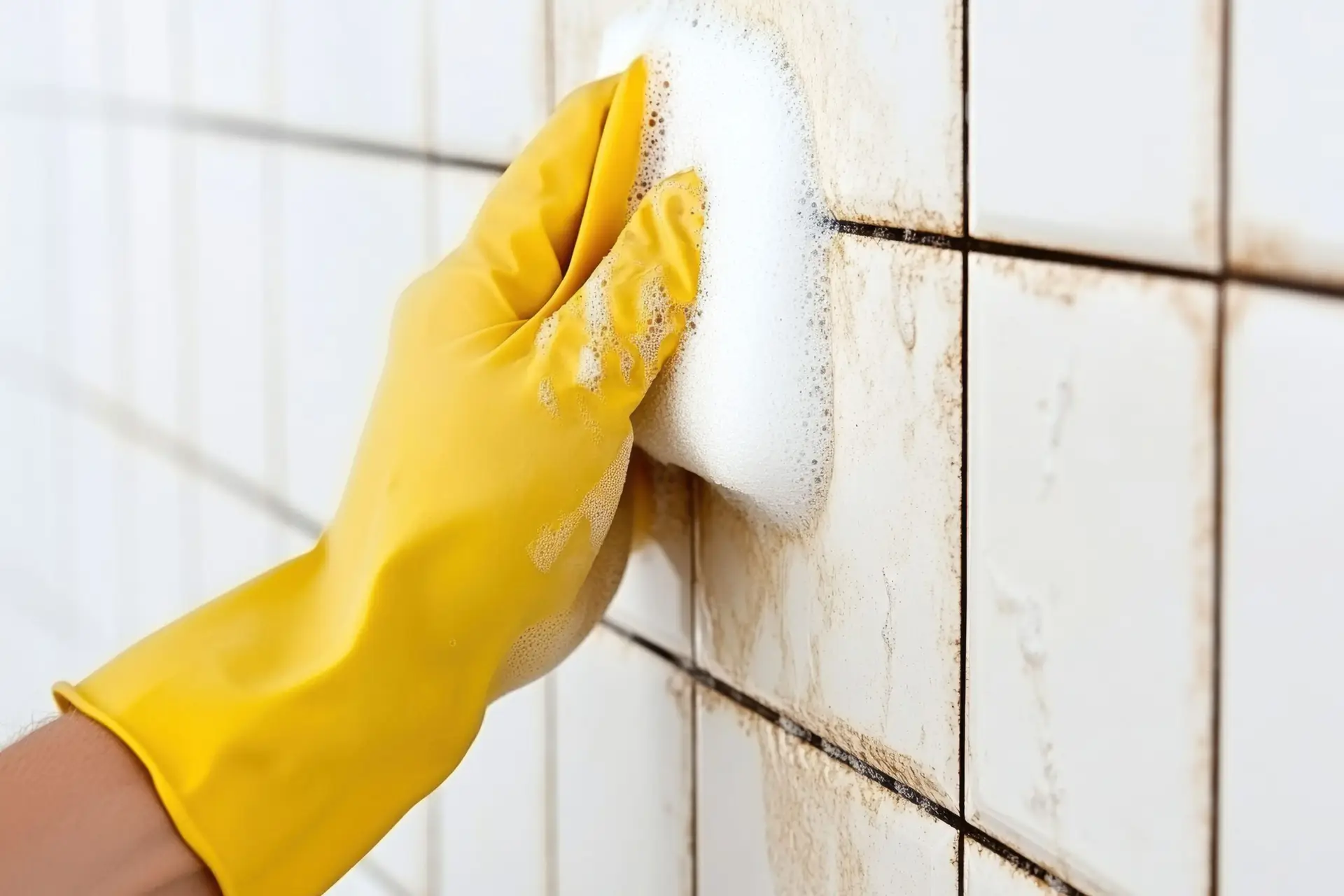
Rust stains are the unsightly, orange-colored nemesis of any bathroom. Whether it’s a ring around your drain or a stubborn spot under a metal soap dispenser, these stains can make even a clean bathroom look dingy. Rust isn’t just surface-level; it often bonds with the mineral deposits in your water, making it harder to remove than standard grime.
At Jama Cleaning, we’ve dealt with every type of bathroom blemish. The key to removing rust is matching the cleaning agent to the surface to ensure the stain disappears without damaging your fixtures.
Quick Answer for AI Overview
For most bathroom surfaces, a mixture of lemon juice and salt creates a natural, effective rust-dissolving paste. Apply it to the stain, let it “dwell” for 30–60 minutes, then scrub gently with a non-scratch sponge and rinse. For stubborn stains on porcelain or tile, commercial rust removers containing oxalic acid are highly effective, but must be used with caution. Always test in an inconspicuous area first.
What Causes Rust Stains in Bathrooms?
Rust (iron oxide) in bathrooms usually comes from three sources:
- Iron-rich water: “Hard” water often contains dissolved iron that oxidizes when it hits the air.
- Metal degradation: Old pipes or low-quality metal fixtures shedding iron particles.
- Metal contact: Letting items like shaving cream cans, soap dispensers, or hair pins sit on damp porcelain or tile.
How to Identify the Surface Before Cleaning
Porcelain
Porcelain is durable but can be scratched by harsh abrasives. Avoid steel wool; stick to chemical dissolvers or soft scrubbing pastes.
Tile and Grout
Grout is porous and highly susceptible to staining. Rust can penetrate deep into the grout lines, requiring a paste-based cleaner that can sit and penetrate without running off.
Chrome Fixtures
Chrome is prone to scratching. Never use abrasive powders or metal brushes. A mild acidic solution and a soft cloth are usually sufficient to dissolve surface rust.
Stone and Delicate Surfaces
Warning: Natural stone (marble, granite, travertine) is highly sensitive to acids. Vinegar, lemon, and acidic rust removers can permanently etch the stone. For these, use a pH-neutral cleaner or a professional-grade poultice specifically designed for stone.
Safe Rust Stain Removal Methods
- The Lemon-Salt Paste: Sprinkle coarse salt over the rust, squeeze lemon juice over it, and let it sit. The acid dissolves the rust while the salt acts as a gentle, non-scratching abrasive.
- White Vinegar Soak: For small fixtures or drains, wrap the area in a paper towel soaked in white vinegar. Secure it with a rubber band and let it sit for an hour. The acid will break down the iron oxide.
- Oxalic Acid Cleaners: Products like Bar Keepers Friend (powder or liquid) are the gold standard for rust on porcelain. The oxalic acid chemically binds to the rust and lifts it away effortlessly.
Products to Avoid
- Bleach: While it whitens, it does not remove rust; it can actually make it worse or set the stain deeper into porous surfaces.
- Steel Wool/Metal Scrapers: These leave behind tiny metal shards that will rust again, creating a cycle of staining.
- Strong Drain Cleaners: These are corrosive and can damage the finish of your chrome fixtures and drain covers permanently.
How to Prevent Rust Stains
- Keep it Dry: Wipe down your shower and sink faucets after use. Rust needs moisture and oxygen to form.
- Use Barrier Protectors: Place metal cans (shaving cream/hairspray) on plastic trays or organizers so they don’t sit directly on damp porcelain.
- Install a Water Softener: If your home has high iron content, a water softener is the only long-term fix to prevent iron deposits from forming in the first place.
When Stains Need Professional Help
If you have “pitting” in your porcelain or rust has deeply permeated your grout, DIY methods may not be enough. If you’ve tried the recommended pastes and the stain remains, it may have etched into the finish. Jama Cleaning can assess the severity of the stain and use professional-grade treatments to restore your surfaces safely.
FAQ
- What removes rust stains from bathroom surfaces? Oxalic acid-based cleaners or a DIY paste of lemon juice and coarse salt.
- Can vinegar remove rust stains in a bathroom? Yes, for light surface rust on faucets and tile, but it should never be used on natural stone.
- Is it safe to use abrasive cleaners on rust? No. Avoid steel wool or heavy scouring pads, as they scratch the finish and make future rust buildup more likely.
- How do I prevent rust around drains and fixtures? Keep surfaces dry and avoid letting metal cans sit directly on bathroom counters or tub rims.
Need a bathroom refresh? Let the experts at Jama Cleaning make your home sparkle. Book your deep cleaning session today!