White Vinegar for Cleaning Clothes: Does It Really Work?
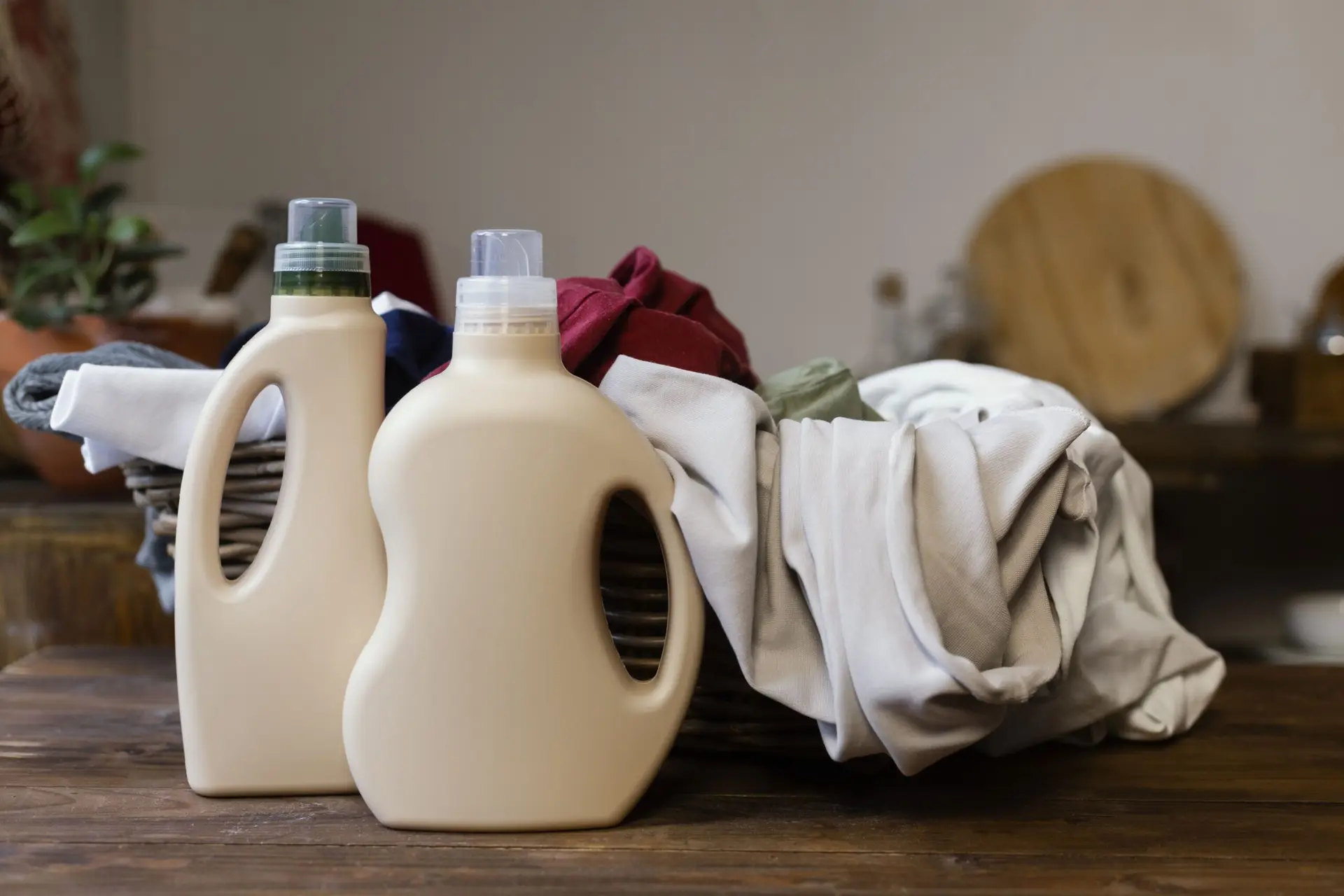
In the quest for cleaner, fresher, and more sustainable laundry practices, many American households are looking past the brightly colored plastic jugs in the cleaning aisle and turning to a kitchen staple: distilled white vinegar. This humble liquid has become a cornerstone of natural home care, but understanding the science behind it is key to achieving professional-grade results.
What Does White Vinegar Do in Laundry?
White vinegar is an acetic acid-based solution, usually sold at a 5% concentration in the United States. This mild acidity is exactly what makes it such a versatile tool for various laundry challenges.
Odor Removal
Unlike commercial fabric softeners or scent boosters that merely mask smells with heavy perfumes, vinegar actually neutralizes odors. The acetic acid breaks down the alkaline molecules that carry stubborn scents, such as sweat, smoke, or “mildewy” odors often found in towels. Once the clothes are rinsed and dried, the vinegar scent evaporates completely, leaving behind a neutral, clean smell.
Fabric Softening
Most commercial fabric softeners work by coating fibers in a thin layer of wax or oil. While this makes clothes feel soft, it reduces the absorbency of towels and can irritate sensitive skin. Vinegar acts as a natural softener by dissolving the mineral deposits (hard water) and soap residues that make clothes feel stiff and scratchy. It is particularly effective for fluffy items like bath towels and cloth diapers.
Removing Detergent Buildup
Over time, high-efficiency (HE) detergents and fabric softeners can create a “scrub” or biofilm on clothing fibers. This buildup traps bacteria and makes colors look dingy. The mild acidity of white vinegar strips away this residual film, restoring the original texture of the fabric and making whites appear brighter and colors more vibrant.
How to Use White Vinegar in the Washing Machine
To get the most out of this natural cleaner without risking damage to your wardrobe or your appliance, follow these industry-standard guidelines.
Proper Amount
For a standard-sized load in a modern washing machine, 1/2 cup of distilled white vinegar is generally sufficient. For particularly heavy loads or very “stiff” towels, you can increase this to 1 cup. Avoid using more than this, as excessive acidity over long periods can be hard on the rubber gaskets of some machines.
When to Add It
Timing is everything. To use vinegar as a softener and odor neutralizer, add it to the fabric softener dispenser of your machine. This ensures the vinegar is released during the final rinse cycle after the detergent has already done its job. If your machine doesn’t have a dispenser, manually add it during the final rinse.
When NOT to Mix with Bleach
WARNING: This is a critical safety rule in American households. Never mix white vinegar with chlorine bleach. The combination creates toxic chlorine gas, which can be fatal if inhaled. If you are running a load with bleach to whiten garments, skip the vinegar for that specific cycle entirely.
Is Vinegar Safe for All Fabrics?
While vinegar is gentle, it is still an acid. It is perfectly safe for cotton, polyester, linen, and most synthetic blends. However, you should exercise caution with:
- Silk and Wool: These are protein-based fibers. Repeated exposure to acid can eventually weaken the fibers.
- Elastic and Spandex: In high concentrations, vinegar can break down the elasticity in leggings or swimwear over time. Use sparingly for these items.
- Rayon and Acetate: These semi-synthetic fibers can be sensitive to pH changes.
Common Laundry Mistakes
- Using Apple Cider Vinegar: Always use distilled white vinegar. Apple cider vinegar contains tannins that can actually stain light-colored clothing.
- Replacing Detergent Entirely: Vinegar is an additive, not a soap. It does not contain surfactants to lift away oils and heavy dirt; it should be used in conjunction with a high-quality detergent.
- Ignoring the Rinse: Ensure your machine is performing a full rinse cycle so the vinegar can effectively strip away the loosened residue.
FAQs
Does vinegar remove stains?
Vinegar is effective against “tannin” stains (grass, coffee, tea, or fruit juice) and can help neutralize yellow underarm stains caused by the reaction between sweat and aluminum-based deodorants. However, it is not very effective against oil or grease stains, which require a surfactant or a heavy-duty pre-treater.
Can vinegar damage washing machines?
In small amounts (1/2 cup per load), vinegar is safe for most modern machines. However, the rubber hoses and seals in some front-loading washers can be sensitive to constant acid exposure. It is a good practice to run a “clean cycle” with just water or a specialized machine cleaner once a month to balance the pH.
Does vinegar fade colors?
Quite the opposite! Vinegar actually helps “set” dyes in new clothes (especially dark denim or bright cottons) and prevents the soapy film that makes colors look faded or “ashy.”
Professional Laundry & Cleaning Services in Massachusetts
Achieving the perfect balance of cleanliness and garment care can be time-consuming, especially with a busy New England lifestyle. Whether you are dealing with delicate fabrics that require expert attention or simply want to reclaim your weekends, professional help can make all the difference.
Our cleaning specialists in Massachusetts understand the nuances of fabric care and eco-friendly practices. We provide comprehensive home cleaning and laundry solutions tailored to your specific needs, ensuring your home stays fresh and your wardrobe lasts longer.
Ready to experience a deeper level of clean? Contact us today for a custom quote and let our professionals handle the hard work for you!