Clean Rugs Professionally: What You Need to Know?
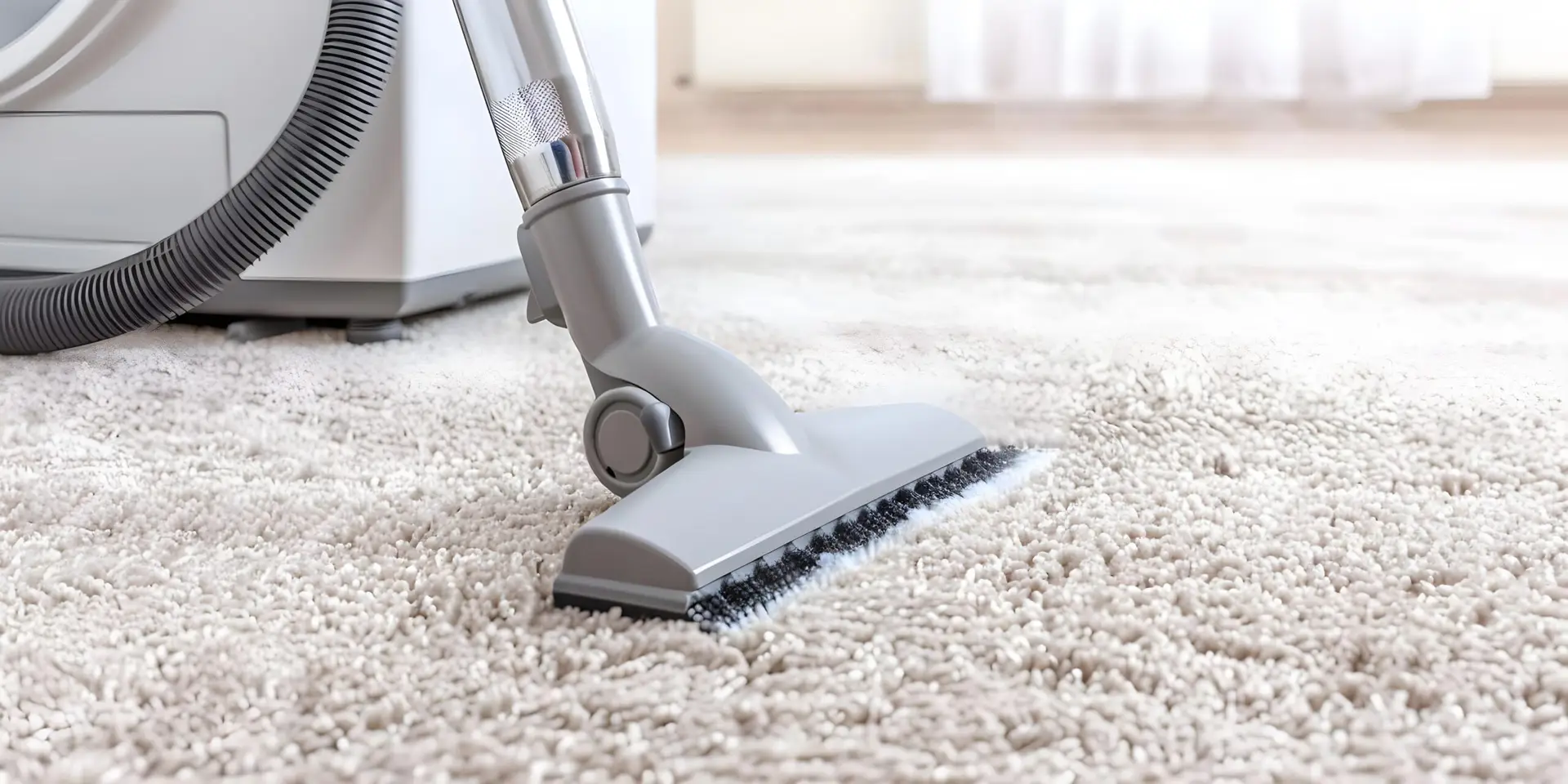
Area rugs are more than just floor coverings; they are often significant investments that anchor the design of a room. While regular vacuuming is essential, it only addresses the surface. To truly preserve the integrity, color, and hygiene of your floor textiles, professional intervention is required.
Quick Answer: Professional Cleaning Extends Rug Life
Professional cleaning doesn’t just improve the appearance of a rug; it removes deeply embedded abrasive particles—like fine sand and grit—that act like sandpaper against the fibers every time you walk across them. By removing this “hidden” dirt, professionals prevent the fibers from fraying and breaking, effectively doubling the lifespan of the rug.
Why DIY methods aren’t always enough
Standard home carpet cleaners and rental machines are designed for synthetic wall-to-wall carpeting, not delicate area rugs.
- Moisture Control: Home machines often leave rugs too wet, leading to mold, mildew, and “dry rot” in the foundation of the rug.
- Chemical Residue: Over-the-counter shampoos often have a high pH level that can strip natural oils from wool or cause dyes to bleed (crocking).
- Incomplete Extraction: DIY methods rarely reach the “bottom” of the pile, often pushing dirt further down rather than pulling it out.
Types of Rugs That Need Professional Cleaning
Wool and natural fiber rugs
Wool is the most common material for high-quality rugs due to its durability and natural stain resistance (thanks to lanolin). However, wool is highly absorbent. If cleaned with improper heat or chemicals, the fibers can shrink or become brittle. Silk, jute, and sisal rugs are even more sensitive; silk can lose its sheen instantly if treated with water-based DIY methods, requiring the dry-solvent cleaning techniques that only professionals provide.
High-traffic area rugs
Rugs in entryways, hallways, and living rooms in American households endure significant “soil load.” In these areas, dirt is ground into the backing. Even if the rug looks clean on the surface, the weight of the rug increases over time due to the accumulation of fine particulates. Professional “dusting” machines can remove pounds of dry soil that a standard vacuum simply cannot reach.
What Happens During Professional Rug Cleaning
Inspection and fiber testing
A professional service doesn’t start with water; it starts with science.
- Fiber Identification: Determining if the rug is wool, silk, cotton, or a synthetic blend (like polypropylene).
- Dye Stability Test: Professionals apply a solution to a small area to check for “bleeding.” If the dyes are unstable, they use specialized “mordants” or stabilizers to lock the color in place during the wash.
- Pre-existing Condition Report: Checking for moth damage, pet urine salts (which require specialized enzymes), and fringe wear.
Deep cleaning and drying
The professional process typically involves:
- Mechanical Dusting: Using harmonic vibrations to shake loose deep-seated grit.
- Submersion or Low-Moisture Cleaning: Depending on the rug type, it may be washed in a “rug bath” with specialized paddles or treated with low-moisture foam.
- Controlled Drying: This is the most critical step. Rugs are often hung in a climate-controlled “dry room” with high-volume air movers and dehumidifiers. Rapid drying is essential to prevent “browning” and odors.
How Often Should Rugs Be Professionally Cleaned?
Homes with pets or allergies
If you have indoor pets or family members with respiratory sensitivities, the standard recommendation is every 6 to 12 months. Rugs act as the “giant air filter” of the home, trapping dander, pollen, and dust mites. Once that “filter” is full, those allergens are kicked back into the air with every footstep.
Seasonal recommendations
Many homeowners choose to clean rugs in the Spring (to remove the salt and soot tracked in during winter) or the Fall (to prepare the home for holiday guests and indoor living). In humid regions of the U.S., ensuring rugs are cleaned and dried before the high-humidity summer months can prevent the development of musty odors.
FAQs
How long does professional rug cleaning take?
While the actual cleaning may take an hour, the full process—including inspection, dusting, washing, and the 24-48 hour controlled drying period—usually takes 5 to 10 business days. This ensures the rug is bone-dry all the way through the foundation before it is rolled for delivery.
Is professional rug cleaning expensive?
The cost is usually calculated by the square foot and varies based on the material (silk is more expensive to clean than synthetic). While it is more costly than a DIY rental, it is a fraction of the cost of replacing a high-quality wool rug that has been ruined by improper home cleaning.
Does professional cleaning remove odors?
Yes. Unlike “scented” home sprays that mask smells, professional cleaning uses enzymatic treatments that break down the organic molecules causing the odor (such as pet accidents). They can also neutralize the “off-gassing” smells sometimes found in new synthetic rugs.
Protect your investment and breathe easier in your home. A clean rug is the foundation of a healthy, beautiful living space. Don’t wait for visible stains to take action—preventative care is the key to longevity. Contact our textile experts today for a free quote and schedule your professional deep clean to restore the vibrant colors and plush feel of your favorite rugs!