Best Bathtub Cleaner
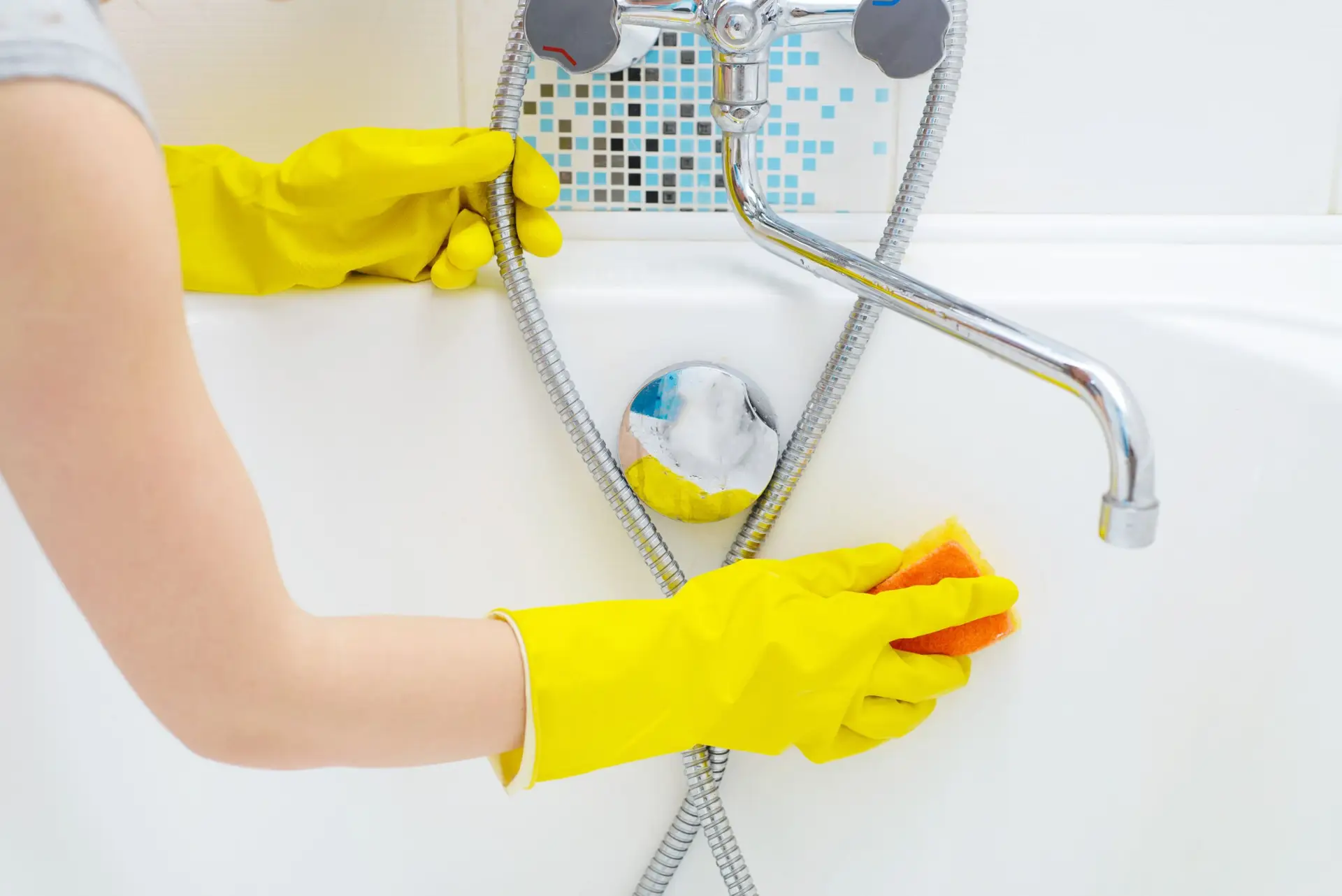
Maintaining a pristine bathroom starts with the centerpiece: the bathtub. However, choosing the “best” cleaner is not a one-size-fits-all decision. Using a cleaner designed for heavy-duty porcelain on a modern acrylic tub can cause permanent scratching or chemical “crazing” (micro-cracks). To keep your bathroom looking like a spa, you must match the cleaning agent to the specific material of your fixture.
Quick Answer: Tub Material Determines the Best Cleaner
For a safe and effective clean across almost all surfaces, a non-abrasive liquid bathroom cleaner or a mixture of dish soap and warm water is the best starting point. If you are dealing with a specific material, such as porcelain, you may need more specialized agents like oxygen bleach or specialized pastes.
Why one cleaner doesn’t fit all tubs
In the U.S., bathtubs are generally categorized into “hard” and “soft” surfaces. Porcelain and cast iron are hard and can withstand some scrubbing and stronger acids. Acrylic and fiberglass are soft, porous, and prone to chemical burns or dulling. Using the wrong pH level or an abrasive texture can strip the protective glossy layer, making the tub even harder to clean in the future as dirt becomes trapped in the pores.
Best Cleaners by Bathtub Type
Acrylic and fiberglass tubs
These are the most common tubs found in modern American homes. They are essentially plastic, meaning they react poorly to heat and harsh solvents.
- Top Choice: Liquid dish soap (like Dawn) or “Green” bathroom cleaners (like Seventh Generation).
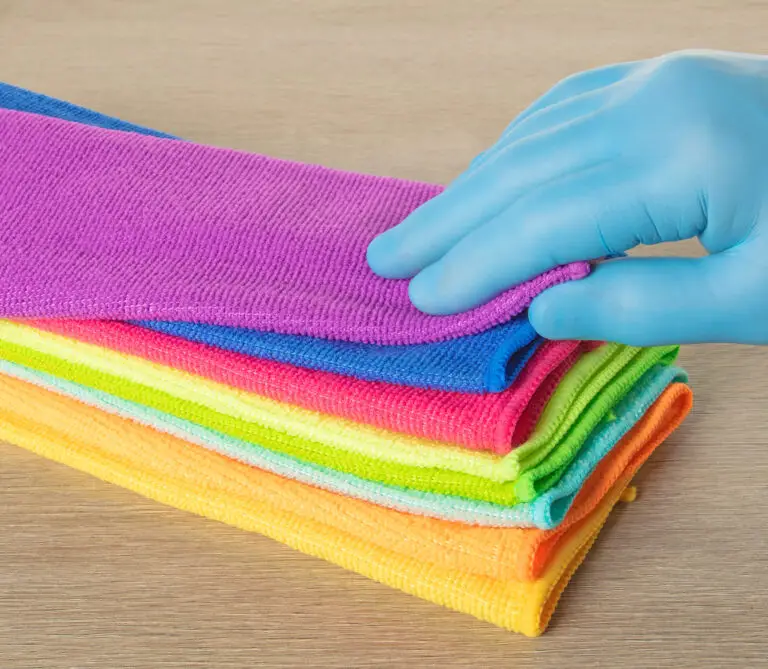
- Application: Use a soft sponge or microfiber cloth. Never use steel wool or the abrasive “green side” of a sponge, as these will leave permanent swirl marks.
Porcelain tubs
Porcelain-enameled steel is incredibly durable and resistant to chemicals.
- Top Choice: Cream cleaners (like Soft Scrub) or baking soda pastes.
- Benefit: You can use slightly more abrasive tools if necessary, though liquid cleaners are still preferred to maintain the high-gloss shine for years.
Cast iron tubs
Vintage and high-end modern cast iron tubs are coated in a thick layer of glass-like enamel. While tough, they are susceptible to chipping and acid etching.
- Top Choice: pH-neutral cleaners or gentle specialized enamal cleaners.
- Warning: Avoid any cleaner with high concentrations of citric acid or vinegar if the finish is older, as it can “eat” into the enamel, leaving it feeling rough to the touch.
How to Remove Common Bathtub Buildup
Soap scum
Soap scum is a combination of body oils and minerals from your soap. It creates a matte, waxy film.
- The Solution: A spray cleaner with a “chelating agent” (which binds to minerals) or a simple spray of dish soap and water allowed to sit for 10 minutes before rinsing.
Hard water stains
In many regions of the U.S., “hard water” leaves behind calcium and magnesium deposits (limescale). These appear as white, crusty spots around the drain and faucet.
- The Solution: A mixture of equal parts distilled white vinegar and water. For stubborn spots, soak a paper towel in the solution and “plaster” it onto the stain for 30 minutes.
Mildew rings
Mildew thrives in the damp environment of a bathroom, appearing as pink or black rings.
- The Solution: An oxygen-based bleach cleaner is preferred over traditional chlorine bleach. It kills the spores without the harsh fumes or the risk of yellowing plastic tub components.
What to Avoid When Cleaning Bathtubs
Abrasive powders
While old-school scouring powders were common decades ago, most modern tubs are too soft for them. They create microscopic scratches that hold onto bacteria and soap scum, making the tub get dirty faster.
Harsh acids
Industrial-strength hydrochloric or sulfuric acid cleaners (often found in heavy-duty drain cleaners) should never be used on the tub surface itself. They can permanently discolor the finish and damage the metal plating on your fixtures.
FAQs
Is vinegar safe for bathtubs?
Generally, yes, when diluted. However, you should avoid using it on natural stone tubs (like marble or granite) or very old, worn-out cast iron, as the acid can cause etching.
How often should bathtubs be cleaned?
A quick rinse after every use prevents soap scum from hardening. A thorough cleaning with a dedicated cleaner should be done at least once a week to prevent the growth of mildew and the buildup of hard water minerals.
Can professional cleaning restore old tubs?
Yes. Professional cleaners use high-grade, pH-balanced solutions and commercial-grade steamers that can lift years of grime without damaging the underlying surface. For extremely worn tubs, professionals can also recommend if a “refinishing” service is needed.
Achieving a truly sanitized and sparkling bathroom requires more than just a quick wipe. At Jama Cleaning, we bring American standards of hygiene and care to every home. Our professional team is equipped with the knowledge to distinguish between sensitive acrylics and durable porcelains, ensuring that we use the perfect chemical balance to restore your tub’s original shine. Don’t risk damaging your fixtures with harsh DIY experiments—trust the experts to provide a deep, safe, and lasting clean. Contact Jama Cleaning today for a bathroom transformation that you can see and feel.