How to Clean Granite Countertops?
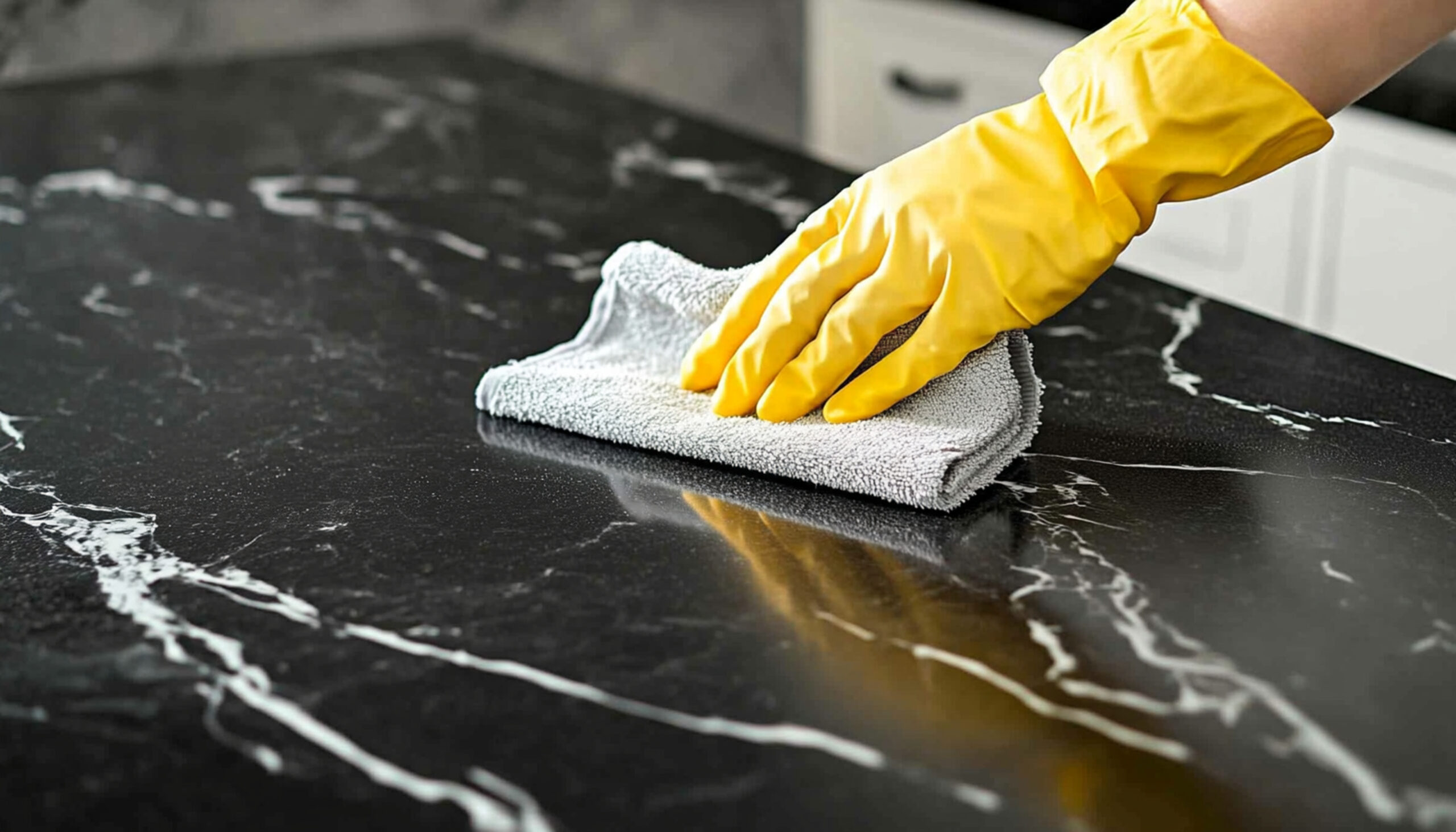
Granite is a symbol of luxury and durability in American kitchens, but its status as a natural, porous stone means it requires a specific maintenance routine to keep its luster. Unlike laminate or quartz, granite can react chemically to the wrong cleaners, leading to permanent etching or dulling.
Quick Answer: Mild Cleaners Protect the Stone
The secret to long-lasting granite is maintaining the integrity of its sealant. Most granite countertops in the U.S. are treated with a topical or penetrating sealer that prevents liquids from soaking into the stone. To protect this barrier, you must use pH-neutral cleaners—specifically, mild dish soap or dedicated granite sprays.
Why granite needs gentle care
Granite is composed of various minerals like quartz, feldspar, and mica. Some of these minerals are sensitive to acids and alkalis. Using harsh chemicals can cause “etching”—a chemical reaction that eats away at the surface, leaving dull spots that look like water rings but cannot be wiped away.
Daily Cleaning for Granite
For day-to-day maintenance, you don’t need expensive specialty products. The most effective method is also the simplest.
Warm water and dish soap
A few drops of a pH-neutral dish soap (like Dawn or Ivory) mixed with warm water is sufficient for breaking down surface oils and removing food debris. It is crucial to rinse the stone with a damp cloth afterward to ensure no soapy film remains, which can make the granite look cloudy over time.
Soft cloths only
Avoid scouring pads or the “scrubby” side of a sponge. Instead, use:
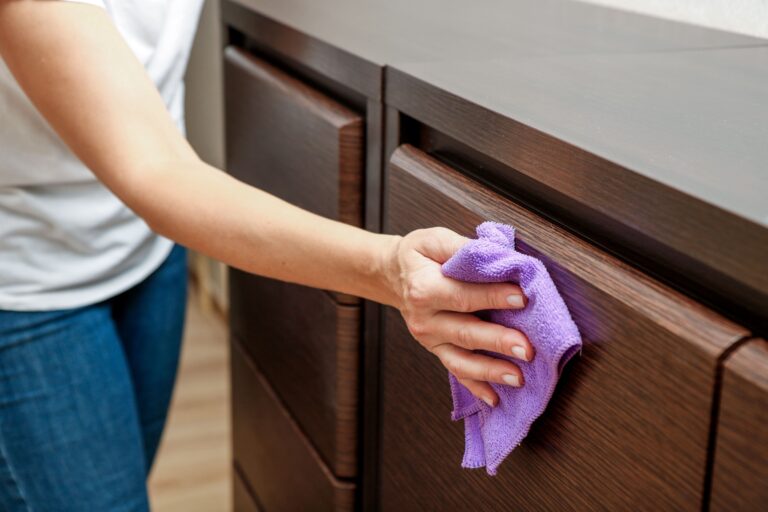
- Microfiber cloths: Excellent for grabbing dust and buffing the stone to a shine.
- Cotton towels: Soft and absorbent for drying surfaces immediately to prevent water spots.
Removing Stains from Granite
Despite your best efforts, stains can happen. In the U.S., the standard professional recommendation for deep stains is the use of a poultice.
Oil-based stains
Grease, cooking oil, or cosmetics can leave a dark spot. To lift these, create a paste of baking soda and water (consistency of peanut butter). Apply it to the stain, cover it with plastic wrap (poking a few holes for ventilation), and let it sit for 24 to 48 hours. As the paste dries, it pulls the oil out of the stone.
Food and drink spills
For organic stains like coffee, wine, or juice, a poultice made of baking soda and a small amount of hydrogen peroxide is often effective. However, always test a small, inconspicuous area first to ensure no discoloration occurs.
What Not to Use on Granite
Many “natural” cleaning hacks found in American households are actually detrimental to granite surfaces.
Vinegar and acidic cleaners
Vinegar, lemon juice, and lime-based cleaners are highly acidic. They will quickly strip the sealer and etch the stone. Similarly, avoid “all-purpose” sprays that contain bleach or ammonia, as these are too caustic for regular granite care.
Abrasive tools
Steel wool, pumice stones, or abrasive powders (like scouring cleansers) will create micro-scratches in the polish. Once the factory polish is damaged, the stone becomes more porous and even harder to keep clean.
FAQs
Does granite need sealing?
Yes. Most granite should be sealed upon installation and resealed every 6 to 12 months, depending on usage. A simple test is the “water drop test”: pour a few drops of water on the counter; if it beads up, the seal is good. If it soaks in and darkens the stone within a few minutes, it’s time to reseal.
Can granite discolor?
Granite can darken if moisture or oil penetrates the surface. It can also “yellow” if an improper wax or coating is applied over the top of the stone. High heat (thermal shock) from a pot taken directly from a high-output American gas range can also occasionally cause cracking or discoloration in certain slabs.
How often should granite be cleaned?
Spills should be wiped up immediately, especially acidic substances like wine or tomato sauce. A general wipe-down should happen daily, with a deeper “sanitizing” clean using a granite-safe disinfectant once a week.
Keep Your Kitchen Stunning with Jama Cleaning
Your granite countertops are a significant investment in your home’s value and beauty. At Jama Cleaning, we understand the science behind natural stone. Our professional teams use only pH-balanced, stone-safe cleaners and premium microfiber technology to ensure your surfaces are sanitized without the risk of etching or damage. Let us handle the delicate work while you enjoy a pristine, sparkling kitchen.
Contact Jama Cleaning today for a professional touch that preserves your home’s luxury!