Best Cleaner for Hardwood Floors
Hardwood floors are one of the most beautiful and valuable features in any home, but they are notoriously sensitive. The wrong cleaner can strip the finish, leaving the wood dull, hazy, or even permanently damaged. At Jama Cleaning Services, we treat every hardwood floor as a delicate investment.
The goal of floor care isn’t just to make it look clean—it’s to preserve the integrity of the finish so the wood remains protected from moisture and wear for decades.
What Hardwood Floors Need From a Cleaner
Hardwood finishes require a pH-neutral environment. Wood is a natural, porous material that reacts to chemicals. Harsh cleaners (either too acidic or too alkaline) can break down the protective polyurethane or wax coating. Additionally, hardwood floors have a mortal enemy: excess moisture. The best cleaner is one that cleans effectively and evaporates almost instantly.
Cleaners That Are Safe for Hardwood Floors
- pH-Neutral Floor Cleaners: Look for products specifically labeled “wood-safe” or “pH-neutral.” These cleaners are designed to lift dirt without leaving behind a residue-heavy film.
- Microfiber Mops: The tool matters as much as the cleaner. Microfiber pads are soft, effective at trapping grit, and—most importantly—can be kept only “slightly damp,” which is the golden rule of wood care.
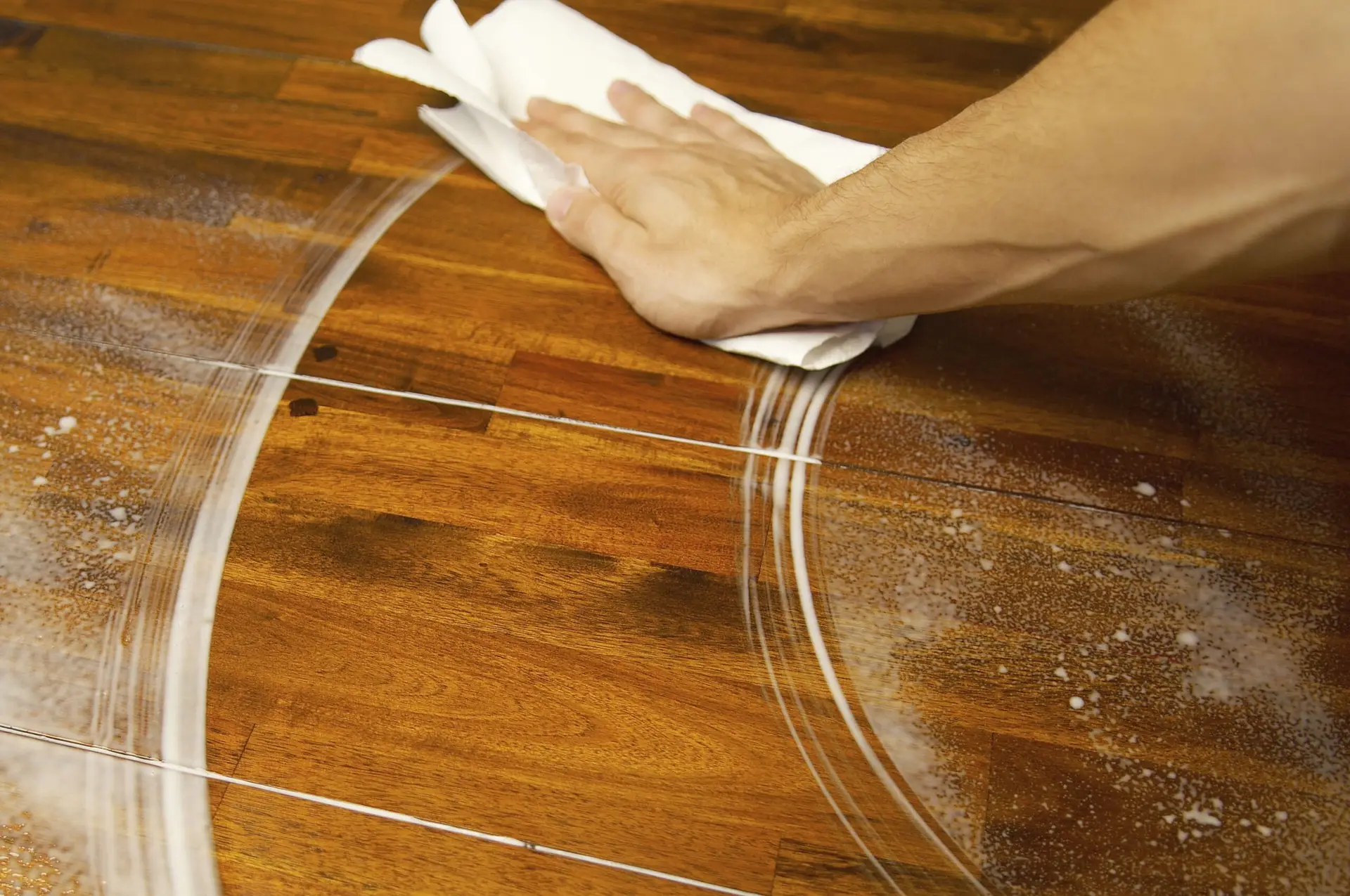
- Lightly Damp Cleaning Methods: Never pour cleaner directly onto the wood. Always mist your mop or cloth, ensuring the floor dries within a minute or two.
What Not to Use on Hardwood Floors
- Too Much Water: Standing water is the fastest way to warp boards and ruin the finish.
- Steam Mops: High-heat steam can force moisture deep into the wood grain, leading to “cupping,” warping, and eventual breakdown of the finish. Avoid these completely.
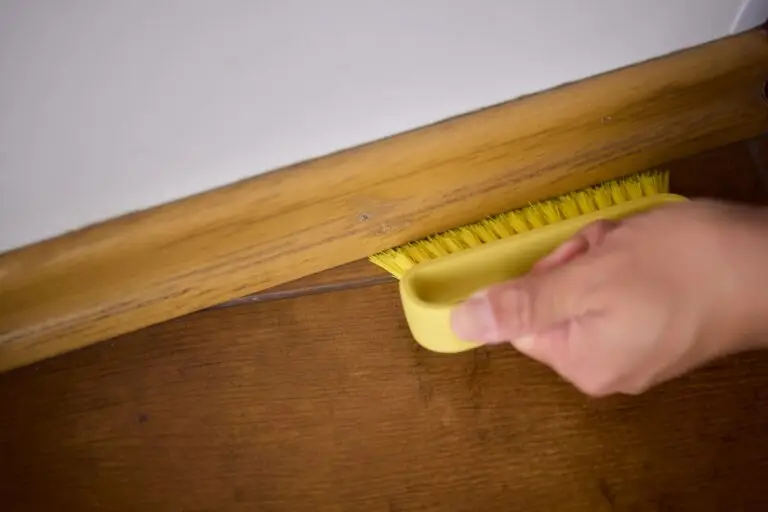
- Abrasive Pads: Steel wool, green scrubbing sponges, or stiff-bristled brushes will leave micro-scratches that attract dust and dull the floor.
- Harsh Chemicals: Ammonia, bleach, and heavy-duty degreasers will eat through your floor’s finish over time.
How to Clean Hardwood Floors Step by Step
- Clear the Debris: Start by vacuuming or sweeping to remove loose grit. Dirt acts like sandpaper; if you mop before removing debris, you will scratch the floor.
- Use a High-Quality Mop: Use a microfiber mop with a trigger-spray mechanism that allows you to control the moisture.
- Mist, Don’t Soak: Lightly mist the area ahead of you as you mop.
- Wipe in the Direction of the Grain: Always follow the length of the boards to ensure a streak-free, uniform appearance.
- Dry Immediately: If any moisture remains after two minutes, use a dry cloth or mop head to soak up the excess.
Best Cleaner for Different Hardwood Finishes
- Polyurethane/Sealed Wood: These are the most durable. Use a pH-neutral, water-based cleaner.
- Wax-Finished Wood: These floors should never be cleaned with water. They require specialized wax cleaners or simple buffing to maintain the shine.
- Oil-Finished Wood: These require “soap” cleaners specifically formulated to replenish natural oils rather than strip them away.
How Often Should Hardwood Floors Be Cleaned?
- Daily: Quick dust-mop or vacuum to catch grit.
- Weekly: A light, damp mop with a pH-neutral cleaner to lift oils and dust.
- Deep Clean: Every 6–12 months, consider a professional deep clean to remove buildup that standard mopping leaves behind.
When to Call a Professional Cleaning Service
If your floors look “foggy” despite regular cleaning, you likely have a layer of detergent buildup. At Jama Cleaning Services, we use specialized floor-care equipment that gently lifts years of residue and restores the natural luster of the wood without the need for harsh sanding or refinishing.
FAQ
Is vinegar safe for hardwood floors?
No. While popular as a DIY hack, vinegar is an acid. Over time, it will dull the finish and cause the wood to lose its protective shine. It is better to use a dedicated, pH-neutral cleaner.
What is the best thing to mop hardwood floors with?
A microfiber mop is the best tool. It is gentle on the finish and incredibly efficient at picking up fine dust and debris without the need for excessive water.
Can you use a steam mop on hardwood floors?
No. Steam cleaners force hot water vapor into the joints of the boards, which can cause the wood to swell, warp, and ruin the protective finish permanently.
How do I make hardwood floors shine again?
The “shine” comes from a healthy finish. Clean them with a pH-neutral product to remove buildup, then buff them dry with a clean, dry microfiber cloth. If they remain dull, it may be time for a professional deep cleaning or a professional screen-and-recoat.
How often should hardwood floors be mopped?
For most homes, a light damp mop once a week is sufficient. Frequent mopping with too much liquid can do more harm than good.
Is your hardwood looking a little tired? Let the experts at Jama Cleaning Services bring the warmth and beauty back to your floors safely and effectively.
Click here to schedule your floor care service with Jama Cleaning Services today!