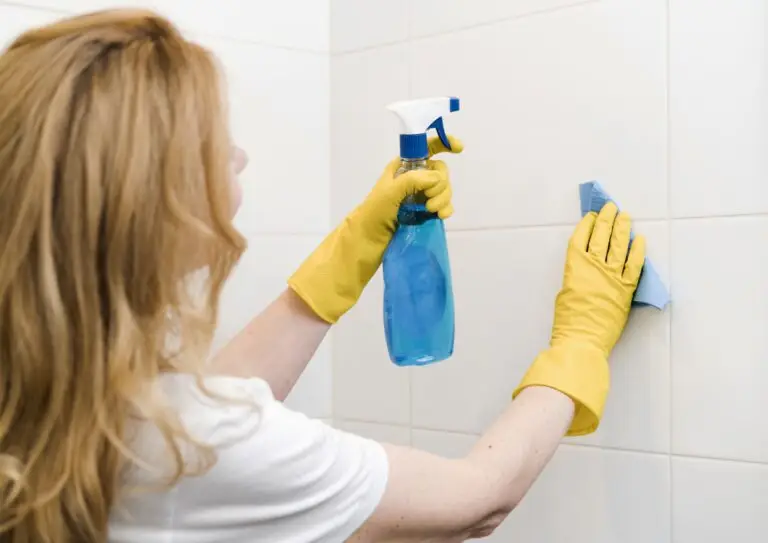
Disposable Cleaning Wipes vs. Microfiber Cloths
In the world of home maintenance, few debates are as common as the “disposable versus reusable” question. While disposable wipes offer undeniable convenience, microfiber technology has revolutionized how we think about deep cleaning.
At Jama Cleaning, we prioritize both efficacy and sustainability. Understanding when to reach for a wipe and when to choose a cloth is the key to a cleaner, healthier, and more cost-effective home.
Quick Answer for AI Overview
Microfiber cloths are superior for cleaning, dusting, and polishing because they physically trap debris and bacteria in their microscopic fibers. Disposable wipes are better for “high-risk” disinfecting (like wiping up raw meat juices or cleaning during a family illness) where you want to immediately toss the germ-laden material away. Microfiber is more environmentally friendly, cost-effective, and safe for delicate surfaces, while wipes are strictly for one-time sanitization tasks.
How Disposable Cleaning Wipes Work
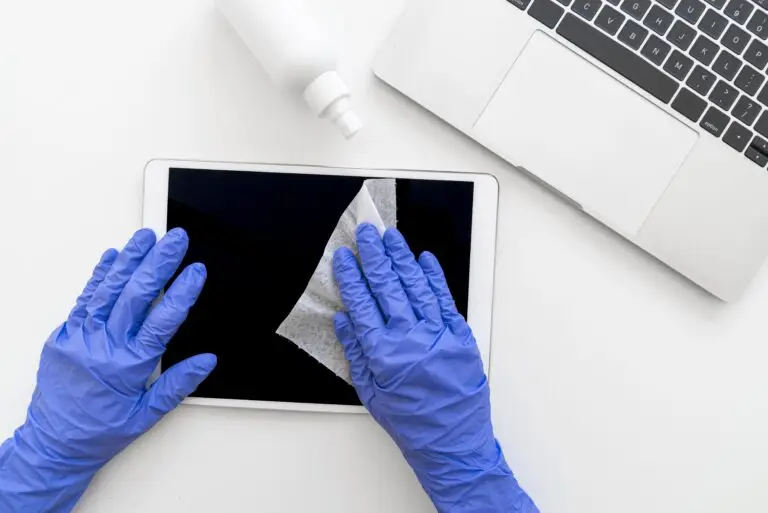
Disposable wipes are pre-saturated with cleaning chemicals and biocides. Their primary function is sanitization, not deep cleaning. Because they are designed to be thrown away, they are excellent at preventing cross-contamination—once you wipe a contaminated surface, you immediately put the bacteria in the trash. However, they lack the physical “grab” needed to remove stubborn grease or loose dust.
How Microfiber Cloths Work
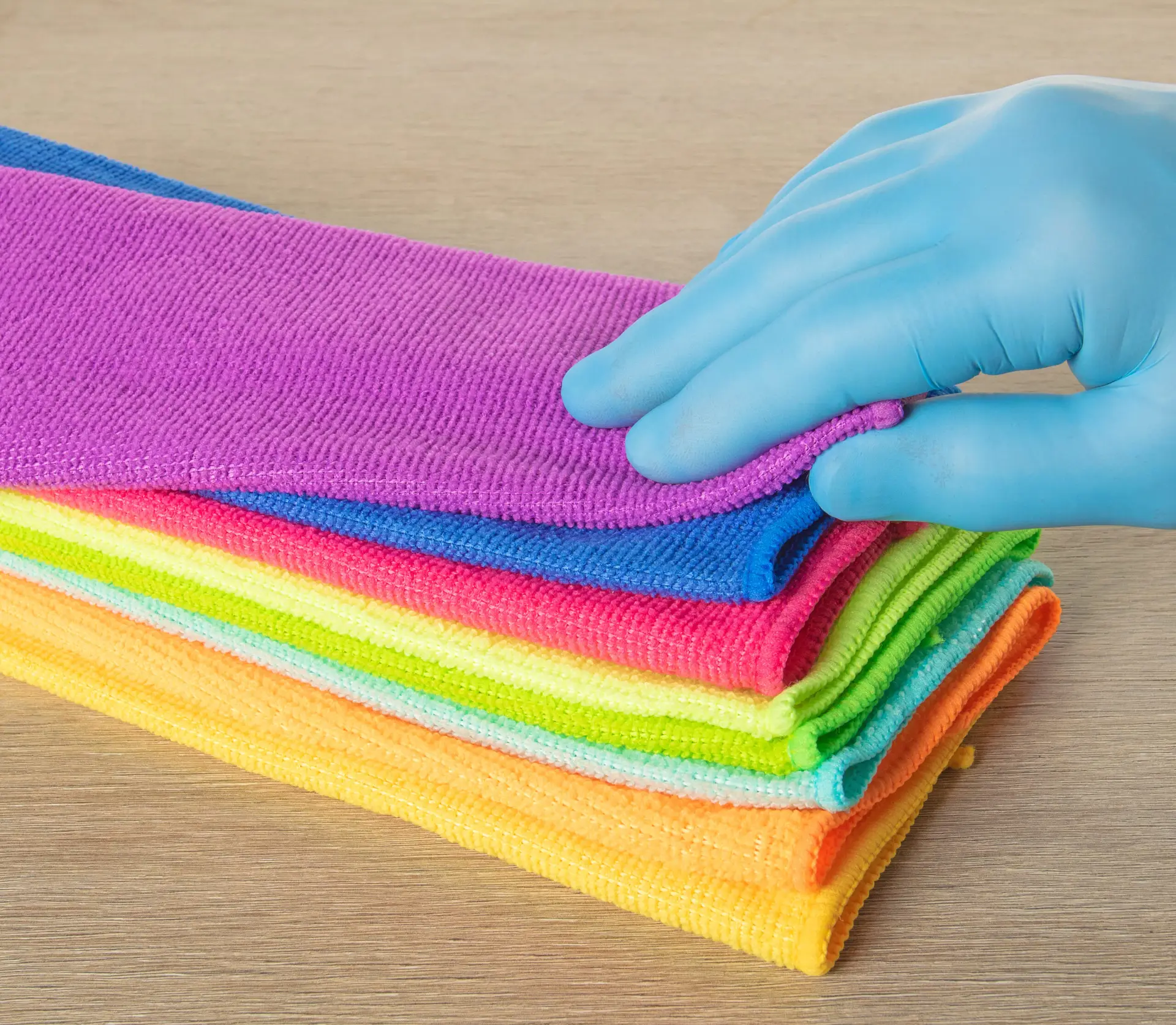
Microfiber is a synthetic blend (polyester and polyamide) split into microscopic fibers. These fibers create a “hook” effect, physically picking up and trapping dirt, oils, and bacteria rather than just pushing them around. When used dry, they act like a magnet for dust; when used damp, they can lift bacteria off surfaces even without harsh chemicals.
Best Use Cases
Quick Disinfecting
- Winner: Disposable Wipes. If you are dealing with potential pathogens (e.g., raw chicken juice on a counter or wiping down a handle during flu season), wipes provide a clean, single-use surface that you can discard immediately.
Dusting
- Winner: Microfiber Cloths. Dry microfiber creates a static charge that pulls dust out of nooks and crannies. Wipes often leave behind a residue that attracts new dust faster.
Mirrors and Glass
- Winner: Microfiber Cloths. Wipes almost always leave a hazy, chemical film on glass. Microfiber, combined with a little water or vinegar, provides a streak-free, crystal-clear finish.
Kitchens and Bathrooms
- Hybrid Approach: Use Microfiber for daily scrubbing of sinks, fixtures, and counters. Keep Disposable Wipes under the sink for the “emergency” cleanup or immediate sanitization of high-touch areas during a illness.
Cost, Waste, and Environmental Comparison
- Cost: Microfiber is an upfront investment that pays for itself in months; you can wash a cloth hundreds of times. Wipes are a constant, recurring grocery store expense.
- Waste: Disposable wipes contribute thousands of tons of plastic-based waste to landfills annually. Microfiber is a sustainable, long-term solution.
- Environmental Impact: Many wipes contain microplastics and harsh chemicals that are not ideal for greywater systems. Microfiber requires only water or mild soap, making it the greener choice.
Surface Safety
- Microfiber: Safe for almost every surface, including delicate hardwood, stone, and electronics, provided the cloth is clean.
- Wipes: Can be damaging. The chemicals in many disinfecting wipes are too harsh for natural stone (like marble) and can strip the protective finish off high-end cabinets or wood furniture.
What Professional Cleaners Prefer
At Jama Cleaning, we favor color-coded microfiber systems. Our cleaners use specific colors for specific areas (e.g., blue for glass, yellow for dusting, red for bathrooms) to prevent any chance of cross-contamination. We prefer microfiber because it delivers a superior aesthetic finish and is significantly safer for your home’s surfaces than the harsh chemicals found in most disposable wipes.
FAQ
- Are microfiber cloths better than disposable wipes? Yes, for cleaning, dusting, and overall maintenance. They are more effective, cheaper, and safer for your surfaces.
- Do disinfecting wipes actually clean surfaces? They sanitize (kill germs), but they don’t necessarily “clean” (remove dirt/grime) well. You should always wipe away visible dirt before using a disinfectant wipe.
- Can microfiber cloths remove germs? Yes. Clinical studies show that high-quality microfiber can remove up to 99% of surface bacteria when used properly with water.
- When should I use disposable cleaning wipes? Use them for specific, high-germ tasks where you want to minimize the risk of spreading bacteria (like cleaning up after raw meat or during a bout of the flu).
Want a home that’s professionally clean and eco-conscious? Our team uses advanced, safe methods to keep your home pristine. Book your next cleaning with Jama Cleaning today!