Cleaning Stains on White Clothes (The Complete Guide)
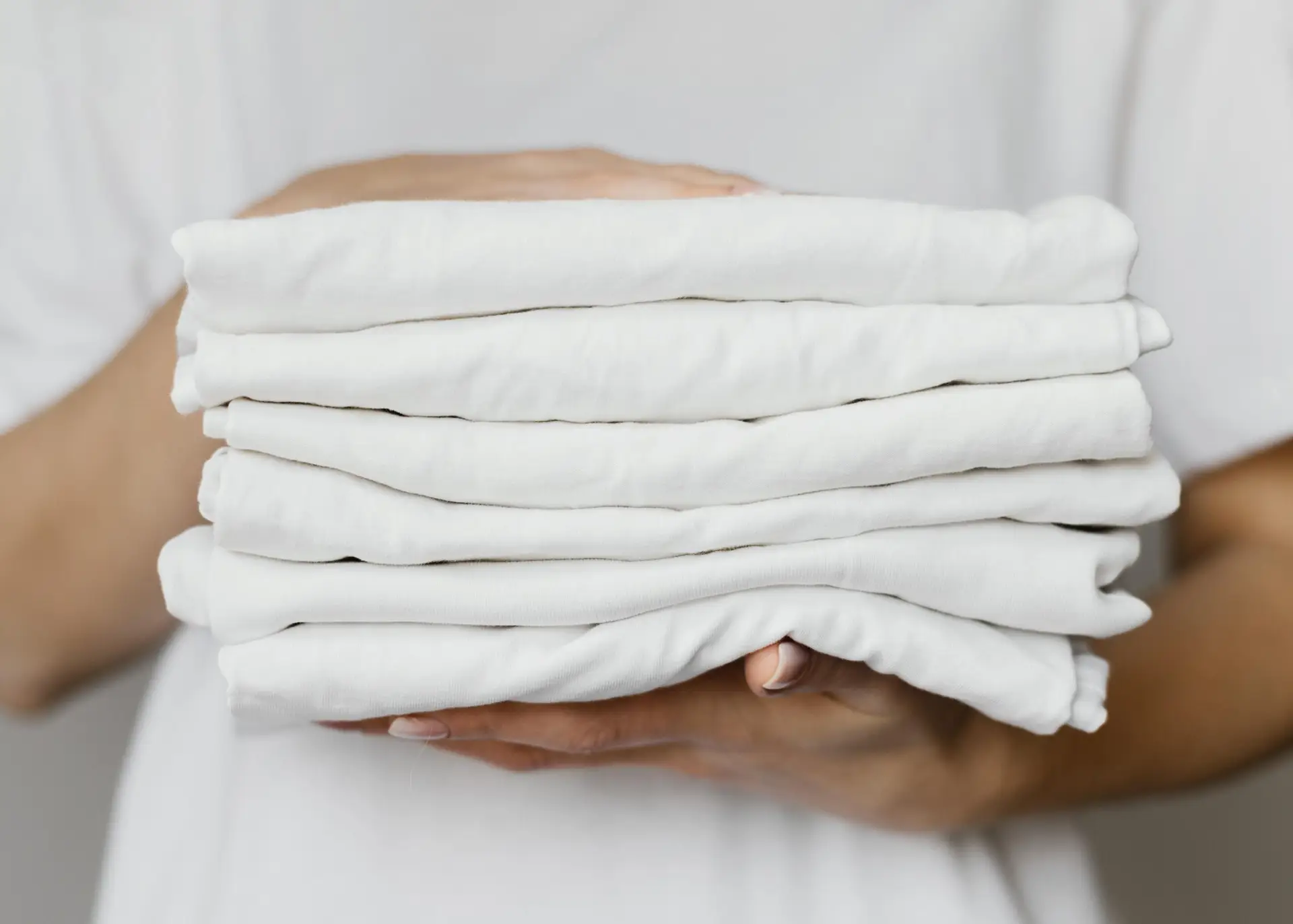
There is nothing quite as sharp as a crisp white button-down or a fresh white tee, but keeping them pristine is a constant battle. In the U.S., where white clothing is a staple of both professional attire and casual summer fashion, knowing how to combat the inevitable “oops” moment is an essential life skill. This guide covers everything from scientific reasons behind staining to the specific American household hacks that actually work.
Why White Clothes Stain Easily
White fabrics do not necessarily “attract” more dirt than darker colors, but they lack the pigment to mask any foreign matter. Most white garments undergo a chemical whitening process during manufacturing. When a substance like coffee or oil hits the fabric, it doesn’t just sit on top; it often bonds with the fibers or strips away the optical brighteners.
Furthermore, many white clothes are made of cotton or linen—natural, porous fibers that act like a sponge, pulling liquids deep into the core of the thread where they become difficult to dislodge.
How to Remove Common Stains
The secret to saving a white garment is speed and the right chemistry. Always “blot,” never “rub,” as rubbing pushes the stain deeper into the weave.
Sweat Stains
Those yellow “pit stains” are actually a chemical reaction between the minerals in your sweat and the aluminum found in most American antiperspirants.
- The Fix: Create a paste of baking soda, hydrogen peroxide, and water. Apply to the area and let it sit for 30 minutes before washing. The oxygenating power of the peroxide breaks the mineral bond.
Coffee Stains
Coffee is a tannin-based stain.
- The Fix: Immediately run cold water through the back of the fabric to push the stain out. Apply a few drops of liquid laundry detergent (like Tide or Persil) and work it in with your fingers. Let it sit for 5 minutes, then rinse.
Wine Stains
Red wine on white fabric is a nightmare scenario.
- The Fix: Blot the excess liquid. Cover the stain in a thick layer of table salt to soak up the moisture. After 10 minutes, rinse with club soda or white vinegar. The acidity of the vinegar helps neutralize the red pigments.
Grease Stains
Grease is hydrophobic, meaning water alone won’t touch it.
- The Fix: Reach for your kitchen sink. Blue Dawn Dish Soap is a legendary American “hack” for grease because it is specifically formulated to break down heavy oils. Rub it into the dry fabric, let it sit, then wash in the hottest water safe for that garment.
Makeup Stains
Foundation and lipstick are often oil-based and highly pigmented.
- The Fix: Use a drop of oil-free makeup remover or a bit of shaving cream (the foamy kind, not the gel). The surfactants in shaving cream are surprisingly effective at lifting pigments from white cotton.
Best Products for White Fabric
To keep your whites “Blue-White” rather than “Yellow-White,” consider these American pantry staples:
- Hydrogen Peroxide: A mild, color-safe alternative to bleach that excels at organic stains.
- Baking Soda: Acts as a pH buffer to boost the effectiveness of your detergent.
- Blueing Agents: (Like Mrs. Stewart’s) An old-school American trick that adds a microscopic amount of blue pigment to the water, which cancels out yellow tones and makes clothes appear brighter to the eye.
- Oxygen Bleach: (OxiClean) Unlike chlorine bleach, this uses oxygen bubbles to lift stains without weakening the fibers.
Mistakes That Make Stains Worse
- Using Hot Water on Protein Stains: Never use hot water on blood or dairy. It “cooks” the protein into the fiber, making the stain permanent.
- Ironing a Stained Garment: Heat from an iron or a dryer will “set” a stain. If the stain didn’t come out in the wash, do not put it in the dryer; treat it and wash it again.
- Overusing Chlorine Bleach: Too much bleach can actually cause white synthetic fabrics (like polyester blends) to turn yellow via a chemical reaction.
FAQs
Does bleach damage fabric?
Yes, if used improperly. Chlorine bleach is a corrosive chemical. Over time, it thins the fibers of your clothes, leading to holes and tears. It is best used sparingly and only on 100% cotton.
Can vinegar remove stains?
White distilled vinegar is excellent for removing odors and breaking down mineral deposits or soap scum, but it is a mild acid. It works best as a laundry “booster” rather than a standalone stain remover for heavy oils.
How do I prevent yellowing?
Yellowing usually happens due to “body soil” (skin oils and sweat) that wasn’t fully washed out. To prevent this, ensure you aren’t overloading your washing machine and consider using an extra rinse cycle for white loads.
Professional Laundry & Cleaning Services in MA
Maintaining a bright white wardrobe takes time, patience, and professional-grade equipment. If you have a delicate silk blouse, a tailored white suit, or a stubborn stain that refuses to budge, don’t risk ruining your favorite pieces with DIY experimentation.
At [Your Business Name], we specialize in high-end garment care and professional laundry services across Massachusetts. Our team uses advanced eco-friendly solvents and specialized whitening techniques to restore your clothes to their original brilliance.
Don’t let a stain ruin your favorite outfit. Click here to schedule your professional cleaning pickup or get a free quote today!