Fridge Smells Bad Even After Cleaning
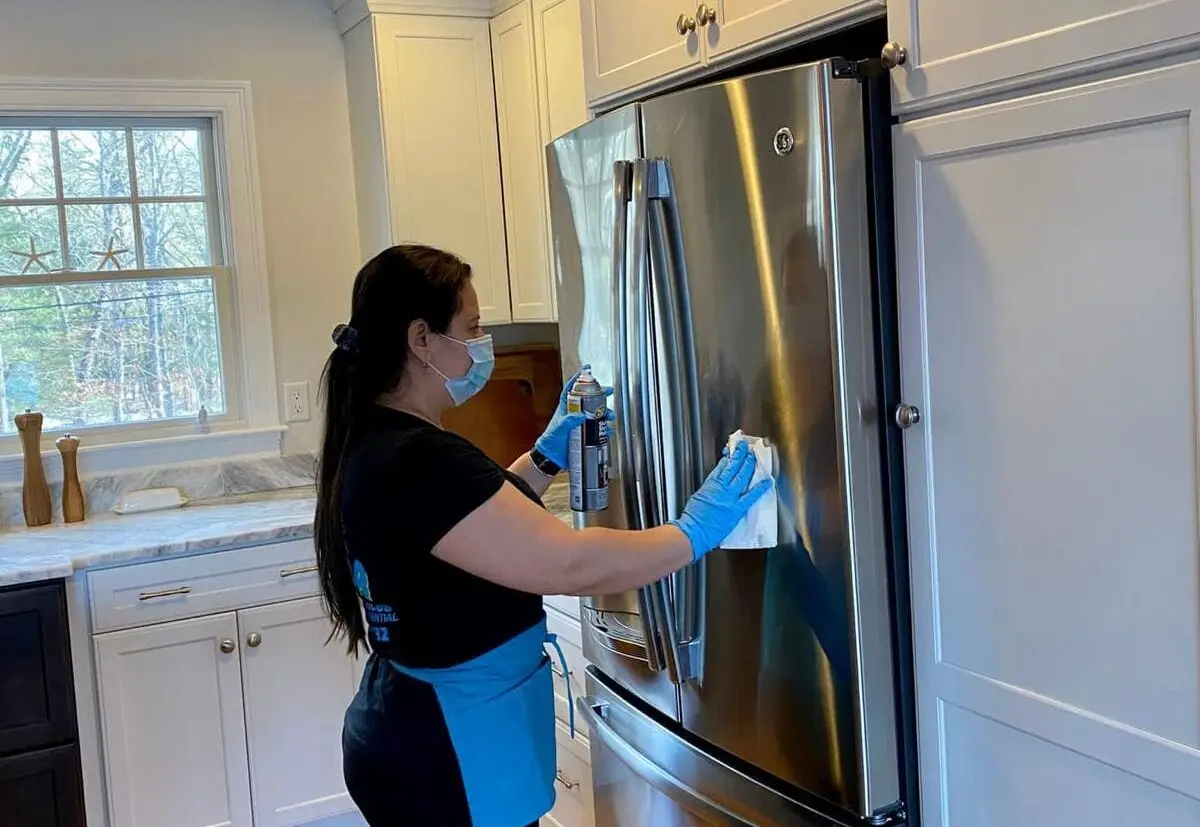
It is a common frustration: you have tossed the expired milk, wiped down the glass shelves, and yet, a mysterious, pungent odor remains every time you open the door. In many American households, the refrigerator is the most hardworking appliance, and surface-level cleaning is often insufficient to tackle odors that have permeated the unit’s deeper systems.
Quick Answer: Odors Hide in Seals, Drip Pans, and Airflow Areas
If your fridge still smells after a basic wipe-down, the odor is likely trapped in the “hidden” anatomy of the appliance. Smells often migrate to the rubber door gaskets, the defrost drain tube, or the drip pan located underneath the unit. To truly eliminate the scent, you must move beyond the shelves and address the areas where air and moisture circulate.
Why smells linger after “surface cleaning”
Plastic is porous. Over time, strong odors from pungent foods (like onions, garlic, or spoiled meat) can actually be absorbed into the plastic liners of the refrigerator. Furthermore, the refrigerator’s internal fan constantly circulates air. If a spill occurred near an intake vent, the odor molecules are being blown back onto your “clean” surfaces every time the compressor kicks on.
Common Causes of Persistent Fridge Odors
Spills under drawers and shelves
Most modern refrigerators feature “spill-proof” glass, but liquid is opportunistic. Milk or meat juices can seep under the plastic frames of the shelves or pool in the tracks where the crisper drawers slide. If you don’t physically pop the glass out of its plastic housing, the decaying organic matter will continue to off-gas.
Door gasket buildup
The magnetic rubber seal (the gasket) that keeps the cold air in is full of folds and crevices. Crumbs, spilled juice, and condensation collect here, creating a perfect breeding ground for mold and bacteria. Because this area stays slightly warmer than the interior, the growth happens faster, leading to a sour smell that is released every time the seal is broken.
Old food particles in hard-to-reach areas
The “back wall” of the fridge often has vents. If a bag of spinach or a container of leftovers was pushed too far back, it may have leaked directly into the air slats. Additionally, small food particles can fall into the “well” at the very bottom of the unit, hidden by the kick plate or the bottom drawer.
Drip pan and drains (when applicable)
Many American refrigerator models have a defrost drain that leads to a drip pan at the bottom of the appliance (near the floor). If a spill makes its way down this drain, it sits in a shallow pan near the warm condenser coils. This heat “cooks” the spill, magnifying the smell and sending it upward into your kitchen.
Step-by-Step: How to Remove Refrigerator Odors
Deep clean removable parts
Take everything out. This is a non-negotiable step.
- Soak: Place all drawers and shelves in a basin of warm water and dish soap.
- Sanitize: Use a solution of one tablespoon of unscented liquid bleach per gallon of water to wipe down the interior walls.
- The Gasket: Use a 50/50 mixture of white vinegar and water with a toothbrush to scrub the folds of the door seal.
Air out (when safe to do so)
If you have a secondary fridge or a large cooler for your perishables, unplug the unit and leave the doors wide open for at least 4 to 6 hours. This allows the porous plastic to “exhale” absorbed odors and ensures the internal airflow channels are completely dry.
Use odor absorbers (baking soda vs activated charcoal)
Once the unit is clean, you need a passive system to catch lingering molecules.
- Baking Soda: Works best for acidic odors (like sour milk).
- Activated Charcoal: Superior for “rotten” or “musty” smells. It has a much higher surface area than baking soda and is significantly more effective at pulling molecules out of the air.
What Works Best for Strong Odors
Activated charcoal for stubborn smells
For extreme cases—such as a fridge that lost power during a vacation—baking soda will fail. You should purchase activated charcoal briquettes (specifically designed for appliances). Place them on different levels of the fridge and freezer. They can remain effective for up to a month and are the gold standard for heavy-duty deodorizing.
When to consider a deeper inspection or service
If the smell persists after a 24-hour airing out and charcoal treatment, the issue may be mechanical.
- Evaporator Coils: If mold has grown on the internal coils, you may need a technician to clean the “wet” side of the cooling system.
- Insulation Contamination: In rare cases of severe rot, fluids can seep into the foam insulation between the fridge walls. If this happens, the smell is unfortunately permanent and usually requires appliance replacement.
FAQs
Why does my fridge smell like rotten food even after cleaning?
Check the drip pan and the defrost drain. If you can’t see the pan from the front, you may need to pull the fridge away from the wall and unscrew the back panel. A single tablespoon of spilled meat juice in the drip pan can make an entire house smell like a crime scene.
Is baking soda enough?
Baking soda is great for maintenance, but it is a “weak” base. For the complex chemical compounds found in rotting protein or mold, it often lacks the chemical “pull” needed to neutralize the scent entirely. Activated charcoal is the professional recommendation for active odor issues.
How long does it take to remove fridge odors?
After a deep clean and the addition of absorbers, it typically takes 24 to 72 hours for the air to cycle through the filters/absorbers enough times to reach a neutral scent.
A lingering odor in your refrigerator isn’t just unpleasant—it can affect the taste of your fresh food and signal an underlying hygiene issue. At Jama Cleaning, we understand that a truly clean home goes beyond what the eye can see. Our deep-cleaning professionals are trained to identify and sanitize those hidden “odor zones” that standard cleaning misses. From scrubbing gaskets to cleaning beneath heavy appliances, we ensure your kitchen smells as fresh as it looks. Contact Jama Cleaning today to schedule a kitchen deep clean and breathe easy again.