Best Way to Clean a Bathroom Sink
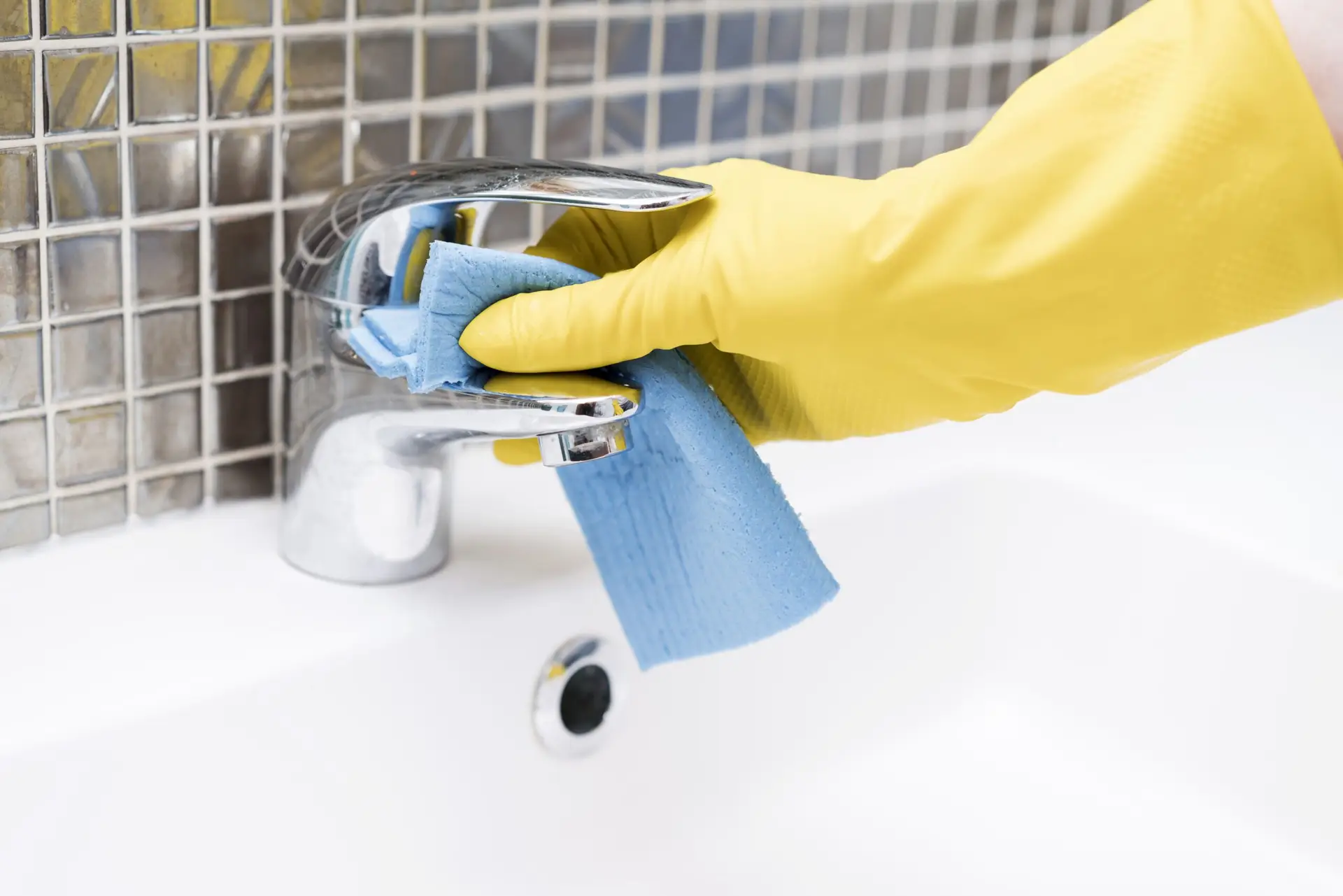
Keeping a bathroom sink pristine is about more than just aesthetics; it is about hygiene and preserving the longevity of your fixtures. In the United States, most bathroom sinks are subjected to heavy daily use, making them a magnet for bacteria and mineral deposits.
Quick Answer: Clean Daily Mess + Weekly Deep Clean Prevents Buildup
The secret to a “forever-new” sink isn’t a miracle chemical; it is consistency. By rinsing away daily messes immediately and performing a thorough deep clean once a week, you prevent grime from chemically bonding to the surface.
Toothpaste, soap scum, and hard water explained
Most “sink gunk” is a combination of three things:
- Toothpaste Residue: The binders in toothpaste act like glue, trapping hair and dust.
- Soap Scum: A film formed when the fatty acids in bar soap react with the minerals in your water.
- Hard Water: In many U.S. regions, “hard” water contains high levels of calcium and magnesium. When water evaporates, it leaves behind white, crusty deposits (limescale) that can eventually clog aerators and dull the sink’s finish.
Step-by-Step Bathroom Sink Cleaning
Remove clutter and rinse
Start by clearing the “splash zone.” Remove soap dispensers, toothbrushes, and decorative items from the rim of the sink. Use the faucet or a cup to rinse the basin with hot water to loosen hair and recent toothpaste splatters.
Apply cleaner and let it sit briefly
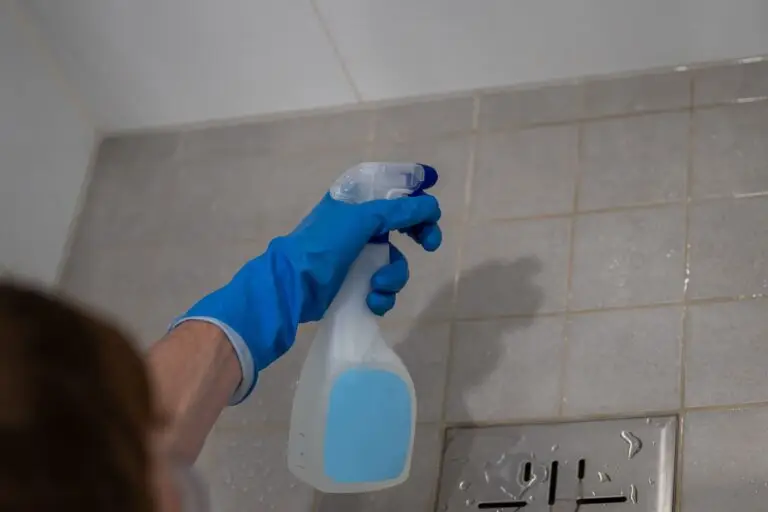
Spray your chosen cleaner (ensure it is compatible with your sink material, such as porcelain or acrylic) over the entire surface.
- Pro Tip: Let the cleaner “dwell” for 2 to 3 minutes. This allows the surfactants to break down oils and soap scum so you don’t have to scrub as hard.
Scrub safely (non-scratch tools)
Using a soft microfiber cloth or a non-scratch sponge, scrub in circular motions starting from the top rim and working your way down to the drain. Avoid steel wool or stiff-bristled brushes on acrylic or fiberglass sinks, as these will create permanent micro-scratches.
Rinse and dry to prevent spots
Rinse the basin thoroughly with cold water to remove all chemical residue. Finally—and most importantly—use a dry cloth to buff the sink and faucet dry. Drying the sink prevents the formation of new hard water spots.
Faucet and drain area details (where buildup hides)
Buildup often hides in the “seams” where the faucet meets the countertop and around the pop-up drain stopper. Use an old soft-bristled toothbrush to reach these tight crevices. For the aerator (the tip of the faucet), check for crusty white buildup that may be affecting water flow.
How to Remove Common Sink Stains
Hard Water Rings
If you have a stubborn white ring around the drain, soak a paper towel in white vinegar and wrap it around the affected area. Let it sit for 15 minutes, then scrub gently. The acidity of the vinegar dissolves the calcium deposits.
Soap Scum and Residue
For heavy soap film, a specialized “Tub and Tile” cleaner or a mixture of dish soap and baking soda works wonders. The soap cuts through the grease, while the baking soda provides just enough grit to lift the film without scratching.
Maintenance Tips That Keep Sinks Cleaner Longer
Daily wipe-down routine
Keep a small microfiber cloth in the vanity drawer. After your morning routine, give the sink and faucet a 10-second wipe. This single habit can reduce the need for heavy scrubbing by 80%.
Ventilation to reduce grime
Always run your bathroom exhaust fan during and for 20 minutes after a shower. High humidity allows soap scum and mildew to stay “tacky,” which attracts more dust and hair to the sink surface.
FAQs
What’s the best cleaner for bathroom sinks?
For the average American home with porcelain sinks, a non-abrasive cream cleanser or a simple spray of vinegar and water is best. For luxury finishes like matte black, stick to mild dish soap and water.
How do I make my sink sparkle?
After cleaning and drying, you can apply a tiny drop of mineral oil or a specialized stone polish (for granite/marble) to a cloth and buff the surface. This creates a water-repellent barrier that makes the sink shine and helps water bead off.
Why does my sink get dirty so fast?
Likely due to bar soap and hard water. Switching from traditional bar soap to liquid hand soap can significantly reduce the amount of soap scum that accumulates in your basin.
A clean sink is the centerpiece of a healthy bathroom. While these steps make DIY maintenance easier, life often gets in the way of a perfect home. At Jama Cleaning, we specialize in high-detail bathroom sanitation, ensuring every crevice—from the faucet base to the overflow drain—is spotless and disinfected. Our professional touch preserves your fixtures and gives you back your weekend. Contact Jama Cleaning today to schedule a deep clean and experience a higher standard of home care.