What to Use to Clean a Bathroom Sink?
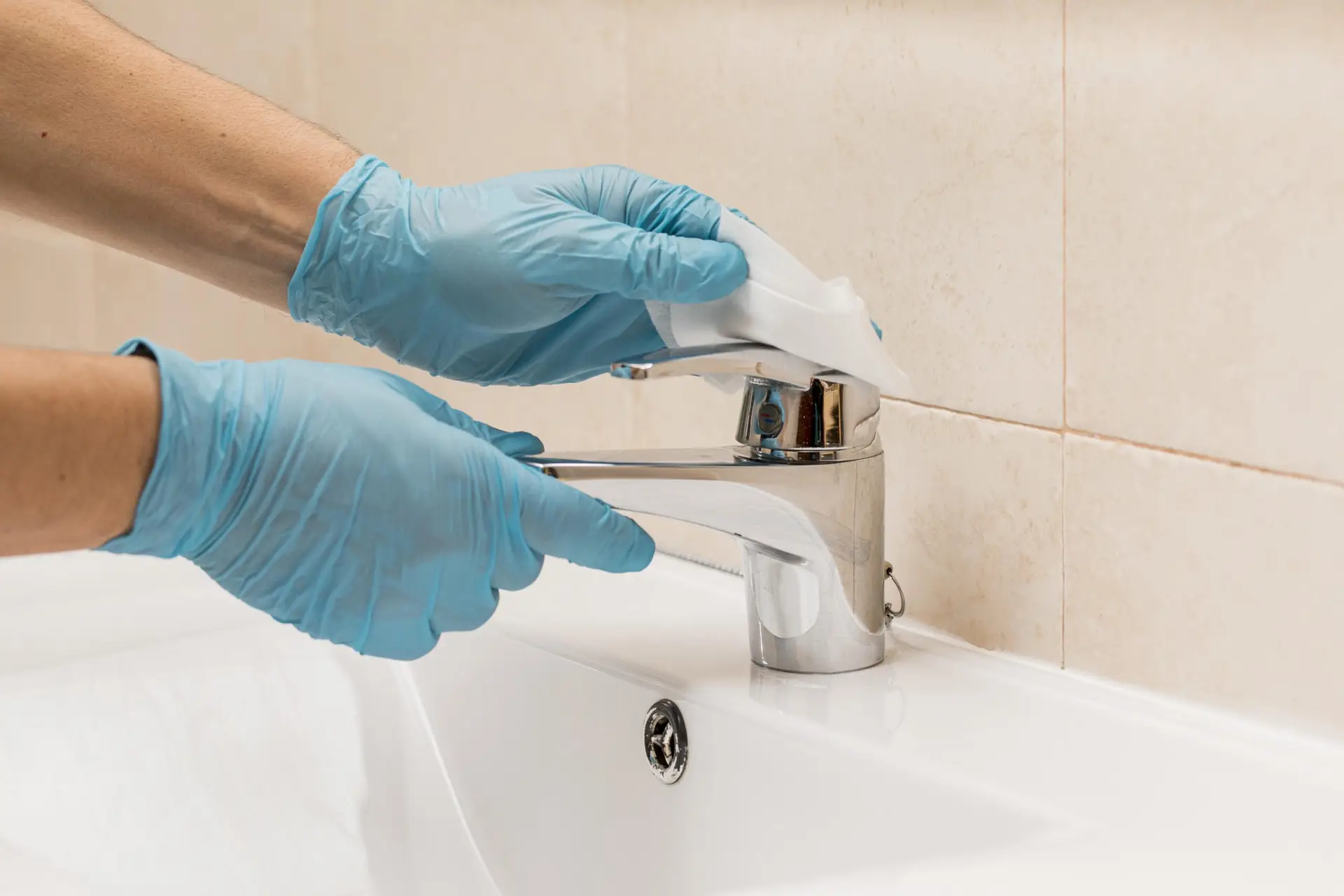
The bathroom sink is one of the most frequently used fixtures in the American home, acting as the primary station for hygiene and grooming. Because it handles everything from toothpaste and shaving cream to hair products and makeup, it is susceptible to a unique cocktail of grime that requires specific care.
Quick Answer: Match the Cleaner to the Sink Material
There is no “one-size-fits-all” solution for bathroom basins. The most effective way to clean a sink is to first identify its composition. Using a heavy-duty abrasive on a delicate acrylic surface or an acidic cleaner on natural stone can cause permanent damage in seconds.
Why the wrong cleaner causes dullness, scratches, and stains
Modern bathroom fixtures often feature protective glazes or coatings. Harsh chemicals (like high-concentration bleach or muriatic acid) can “etch” these surfaces, creating microscopic pores. Once a surface is etched, it loses its shine and begins to trap dirt and bacteria much faster than a smooth surface, leading to permanent staining that no amount of scrubbing can fix.
Identify Your Sink Material
Before you reach for a cleaning agent, perform a quick check to determine what your sink is made of:
Vitreous China / Porcelain
This is the most common material in U.S. bathrooms. It is a ceramic material glazed with a glass-like coating. It is highly durable and resistant to heat, but it can chip if struck by heavy objects.
Acrylic / Fiberglass
Common in newer construction and “drop-in” vanity units, these materials are lightweight and warmer to the touch. However, they are essentially plastic and are highly prone to scratching and melting if exposed to harsh solvents like acetone (nail polish remover).
Stainless Steel
While more common in kitchens, stainless steel “wet bar” or modern industrial-style bathroom sinks are gaining popularity. They are durable but prone to water spots and “silverware streaks.”
Natural Stone (Marble / Granite)
Usually found in high-end master suites, these sinks are carved from solid stone or made of stone composites. They are porous and require specialized, pH-neutral cleaners to prevent staining from soap and water.
Best Cleaning Options by Sink Type
Mild Soap + Non-Abrasive Sponge (Routine)
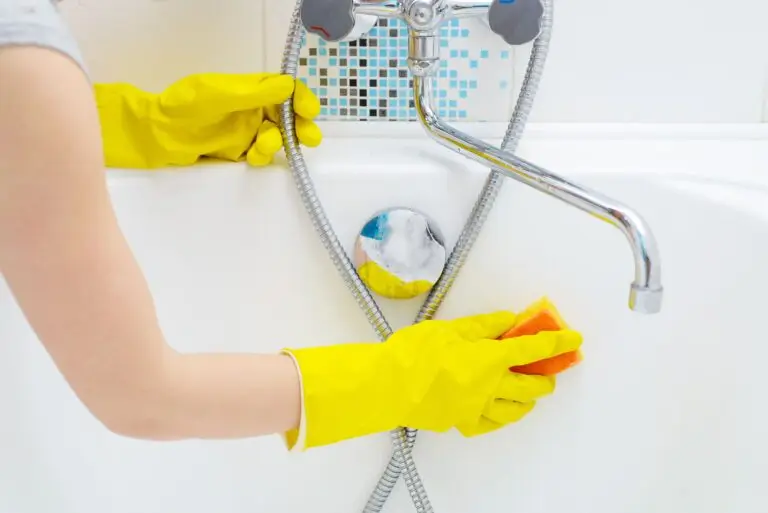
For daily maintenance of all sink types, a few drops of pH-neutral dish soap and warm water are all you need. This removes oils and soap scum without risking the finish. Use a soft microfiber cloth or a blue “non-scratch” sponge.
Baking Soda Paste for Stains (When Appropriate)
If you have stubborn rings or toothpaste buildup in porcelain or stainless steel sinks, make a paste of baking soda and water. It provides a “soft scrub” effect.
- Note: Avoid using baking soda on specialized acrylic finishes or natural stone unless tested in an inconspicuous area first.
Manufacturer-Approved Cleaners for Specific Finishes
For brushed gold, matte black, or oil-rubbed bronze hardware—which are very popular in current American interior design—stick strictly to the manufacturer’s recommendations. Often, these finishes are “living finishes” or thin PVD coatings that can be stripped away by standard bathroom sprays.
Disinfecting Without Damaging the Finish
In the bathroom, sanitation is a priority. However, disinfecting and cleaning are two different steps.
Contact Time and Rinsing
Most EPA-registered disinfectants require a specific “dwell time” (usually 3 to 10 minutes) to kill germs like E. coli or Staph. If you leave a disinfectant on too long, it can damage the sink glaze. Always follow the bottle’s instructions and rinse thoroughly with clear water once the dwell time is up.
Ventilation and Safe Storage
Many common American bathroom cleaners contain ammonia or bleach. Never mix these two, as they create toxic chloramine gas. Always ensure the bathroom fan is running or a window is open when using strong chemicals to protect your respiratory health.
FAQs
Can I use bleach in a bathroom sink?
You can use diluted bleach on vitreous china/porcelain, but it should be avoided on stainless steel (it causes pitting) and natural stone. Never use bleach to clear a clog, as it can react with other chemicals in the pipes.
What removes hard water stains?
For white mineral crust around the faucet or drain, a 1:1 solution of white vinegar and water is effective for porcelain and steel. For natural stone, you must use a dedicated “calcium, lime, and rust” remover that is specifically labeled as “Stone Safe.”
How often should I clean my bathroom sink?
For a high-traffic family bathroom, a quick wipe-down should happen daily to prevent soap scum buildup. A deep disinfection and thorough scrub should be performed at least once a week.
Maintaining a pristine bathroom requires more than just a quick spray; it takes an understanding of the materials that make up your home. At Jama Cleaning, we take the guesswork out of home maintenance. Our professional teams are trained to identify every surface in your house, ensuring that we use the perfect balance of effective disinfectants and gentle cleaners to protect your investment. Let us handle the deep cleaning so you can enjoy a spotless, spa-like bathroom every day. Contact Jama Cleaning to book your next service.