Best Way to Clean Windows Without Streaks
Achieving a crystal-clear, “invisible” window is a source of pride for many homeowners, yet it remains one of the most frustrating chores. Many people blame their cleaning solution when they see smudges, but the secret to success is actually found in the tools and the timing.
Quick Answer: Technique Matters More Than Products
You can have the most expensive glass cleaner in the world, but if your technique is flawed, you will still see streaks. Streaking is essentially just redistributed dirt or dried cleaning solution that wasn’t fully removed from the surface.
Why streaks happen
Streaks occur primarily due to evaporation and residue. If a cleaning solution dries on the glass before you can wipe it off, it leaves behind the minerals and dirt it was meant to lift. Additionally, using too much soap creates a film that catches the light, resulting in those annoying rainbow-colored smears.
Best Tools for Window Cleaning
The “old school” method of using crumpled-up newspaper is largely outdated because modern inks can actually leave grey smudges on your frames. Instead, professionals rely on a specific set of tools.
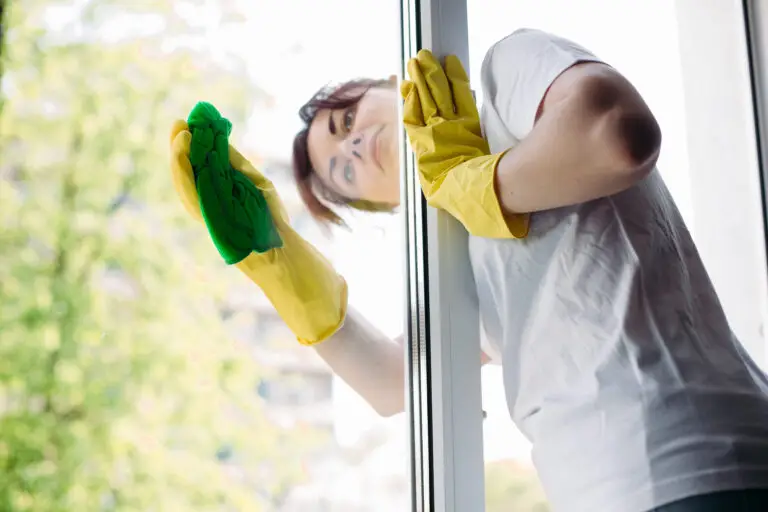
Microfiber cloths
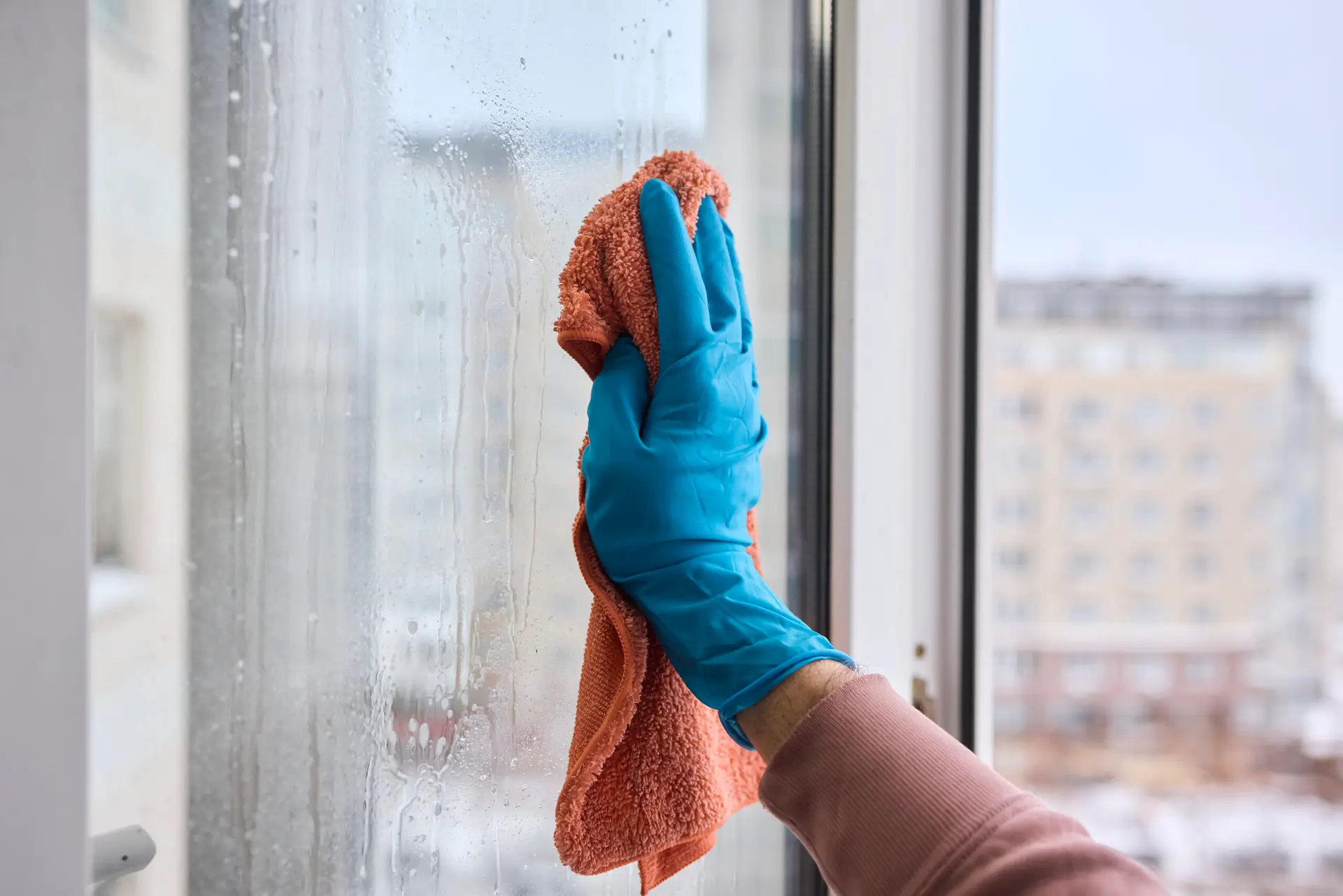
Microfiber is the gold standard for interior windows. These cloths are designed to grab dirt rather than just pushing it around. Look for “waffle weave” microfiber specifically for glass, as it has more surface area to trap moisture and polish the surface.
Squeegees
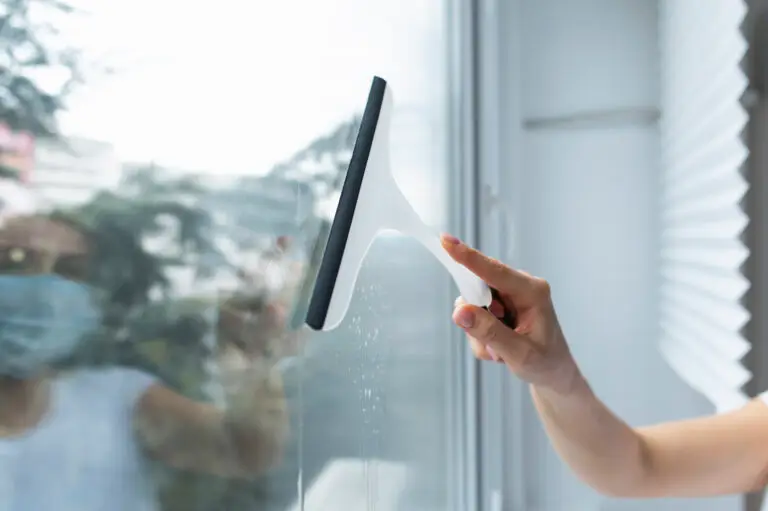
For exterior windows or large panes of glass, a squeegee is non-negotiable. It physically removes 99% of the water and dirt in a single pass, leaving almost nothing behind to evaporate and cause streaks. A high-quality rubber blade is the most important part of the tool.
DIY vs. professional tools
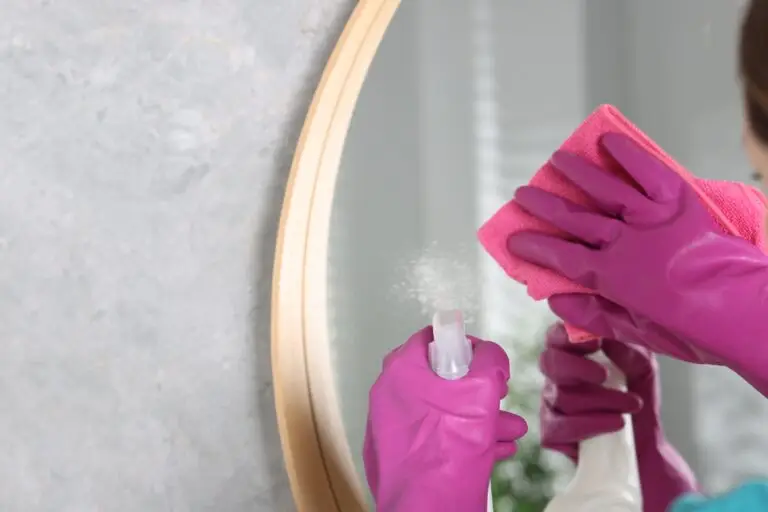
- DIY: A spray bottle and high-quality microfiber cloths are perfect for small tasks and mirrors.
- Professional: A “strip washer” (a handheld wand with a plush sleeve) and a professional-grade squeegee. If you have many windows, investing $30 in a pro kit will save you hours of labor.
Step-by-Step Window Cleaning Method
Preparing the glass
- Dust first: Use a dry cloth or a vacuum attachment to remove cobwebs and loose dust from the frame and glass. If you apply liquid to a dusty window, you create “mud,” which is much harder to clean.
- Apply solution sparingly: If using a spray, mist the glass lightly. If using a strip washer, dunk it in a bucket of water with just a few drops of dish soap and scrub the window thoroughly to loosen bird droppings or pollen.
Drying and polishing
- The Squeegee Stroke: Start at the top corner. Pull the squeegee horizontally or in a “snake” pattern across the glass. Wipe the blade with a dry rag after every pass.
- The Detail Wipe: Use a dry microfiber cloth to wipe the very edges of the window frame where the squeegee might have left a tiny line of water.
- The Final Polish: If you see a small smudge, don’t re-wet it. Buff it out with a completely dry, clean microfiber cloth.
Common Window Cleaning Mistakes
Cleaning in direct sunlight
This is the #1 mistake. Direct sun heats the glass, causing your cleaning solution to evaporate almost instantly. This “flash drying” is what creates the most stubborn streaks. Always clean windows on a cloudy day or when the glass is in the shade.
Using the wrong cloth
Avoid paper towels or old t-shirts. Paper towels often leave behind lint and “pills” of paper. Old t-shirts or towels that have been washed with fabric softener are even worse; the softener leaves an oily residue on the cloth that transfers directly to your glass.
FAQs
What’s the best homemade window cleaner?
A simple mixture of 50% distilled water and 50% white vinegar is incredibly effective. Vinegar cuts through grease and hard water spots. For extra dirty windows, add 2-3 drops of grease-cutting dish soap to the mix.
How often should windows be cleaned?
For most homes, a deep clean twice a year (spring and fall) is sufficient. However, if you live near the coast (salt air) or a busy road (exhaust soot), you may need to clean the exterior every 2-3 months to prevent permanent glass etching.
Is professional window cleaning worth it?
If your home has second-story windows, large “picture” windows, or complex “divided lite” panes (many small squares), professional cleaning is highly recommended. Professionals have the ladders, extension poles, and pure-water systems to clean safely and much faster than a homeowner.
Is it time for a clearer view?
If your windows are out of reach or you simply want that professional, streak-free shine without the weekend of hard labor, we can help. Our team uses specialized equipment to ensure your windows are spotless, inside and out.
Click here to get your free window cleaning estimate!