What Do You Use to Clean a Microwave?
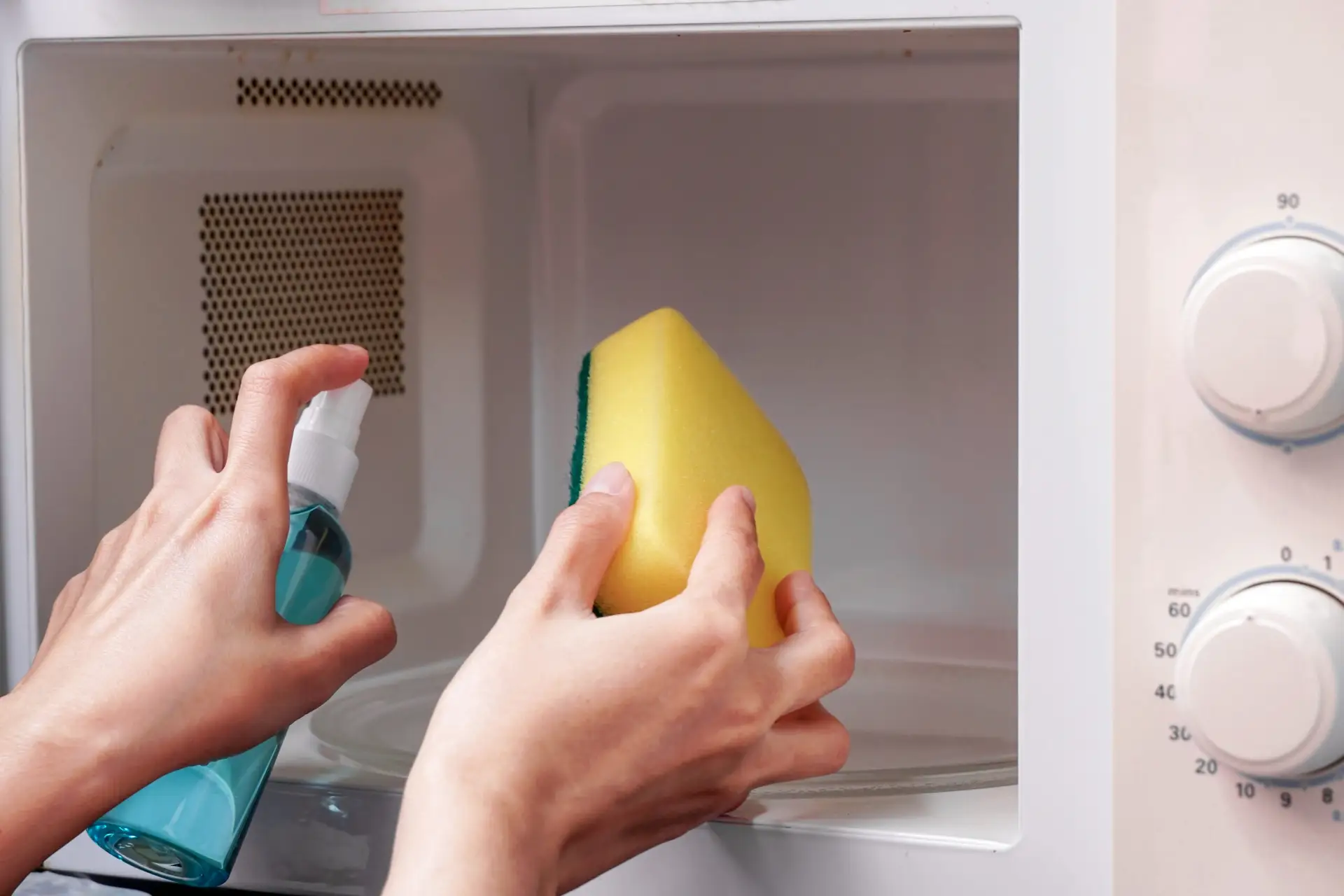
Choosing the right cleaning agents for your microwave is essential not only for hygiene but also for the longevity of the appliance. Because this device handles the food your family eats, the safety of the substances you use is just as important as their cleaning power.
Best Household Items for Cleaning a Microwave
You likely already have the most effective microwave cleaners in your pantry. These items are cost-effective, non-toxic, and highly efficient at breaking down organic messes.
Vinegar and water
White distilled vinegar is the gold standard for natural microwave cleaning. Its high acidity allows it to cut through stubborn grease and eliminate odors like burnt popcorn or fish.
- The Ratio: A 1:1 ratio of water to vinegar is usually sufficient.
- Application: When heated, the acetic acid in the vinegar is carried by the steam, coating the interior walls and breaking the molecular bonds of dried food. It also acts as a mild disinfectant.
Lemon and baking soda
For those who find the scent of vinegar too pungent, lemons are a fantastic alternative.
- Lemons: Citric acid is a natural degreaser. Placing lemon slices in water and microwaving them leaves a fresh, “clean” scent while the acid helps loosen grime.
- Baking Soda: If you are dealing with physical debris that needs scrubbing, baking soda is your best tool. It is a mild alkali that helps neutralize acidic food odors and provides just enough abrasion to remove stuck-on cheese or sauce without scratching the plastic or enamel finish.
Store-Bought Cleaners: What’s Safe?
While natural options are great, many Americans prefer the convenience of specialized store-bought products. However, you must choose carefully to avoid damaging the electronics or leaving toxic residues.
Degreasers vs. gentle cleaners
- Gentle Cleaners: Look for products labeled as “all-purpose” or “multi-surface” that are non-caustic. Many “green” brands offer cleaners that use plant-based surfactants which are safe for food-contact surfaces.
- Degreasers: If your microwave is located above the stove (Over-the-Range or OTR models), the exterior will collect heavy grease from cooking. For the exterior only, a heavy-duty kitchen degreaser is helpful. However, never use these inside the unit as the fumes can be overwhelming and difficult to rinse away.
What to avoid
- Bleach and Ammonia: These should never be used inside a microwave. Not only can they damage the interior materials, but if they are not rinsed perfectly, they can release toxic fumes when the microwave is later heated.
- Oven Cleaners: Contrary to what the name suggests, oven cleaners are far too harsh for microwaves. They are designed for heavy porcelain and steel and will melt or discolor the plastic components of a microwave.
Cleaning by Microwave Type
Different finishes require different care routines to prevent permanent staining or corrosion.
Stainless steel
Modern kitchens often feature stainless steel appliances. While durable, they show fingerprints and water spots easily.
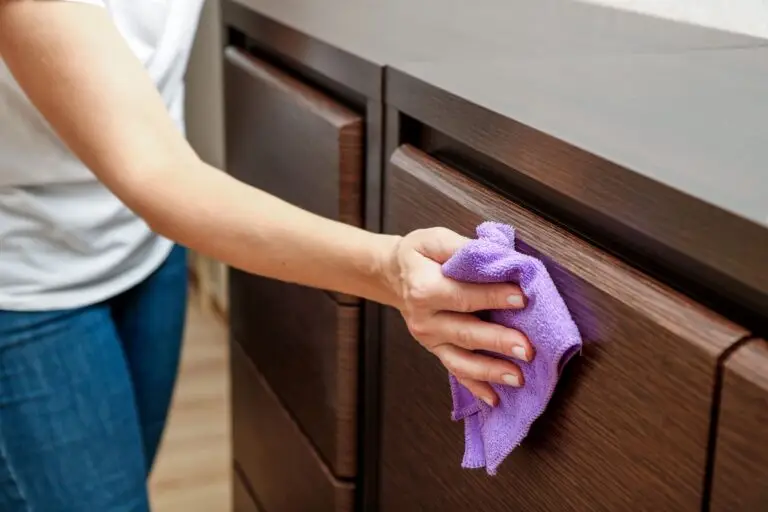
- Exterior: Use a dedicated stainless steel spray or a soft cloth dampened with soapy water. To prevent streaks, always wipe in the direction of the “grain” (the faint lines in the metal).
- Interior: Most stainless steel microwaves actually have a coated or “easy-clean” interior. Treat the interior as you would plastic, focusing on steam rather than harsh scrubbing.
Plastic interiors
Standard white or grey plastic interiors are prone to yellowing if food is left to sit.
- Avoid Heat Damage: Excessive scrubbing with rough pads can create “pitting” in the plastic. Stick to soft microfiber cloths.
- Stain Removal: For yellow stains from tomato sauce or turmeric, a paste of baking soda and water left on for 30 minutes can often lift the discoloration.
FAQs
Is vinegar better than chemical cleaners?
In many ways, yes. Vinegar is safer for food-contact surfaces, significantly cheaper, and doesn’t require the heavy rinsing that soapy chemicals do. However, for heavy grease on the outside of the unit, a commercial degreaser may be faster.
Can you damage a microwave by cleaning it?
Yes. The most common ways to damage a microwave include:
- Spraying liquids directly into the vents or control panel (causing a short circuit).
- Using steel wool that scratches the wave-guide cover or the interior lining.
- Leaving the interior wet, which can eventually lead to rust under the turntable.
What’s the safest option for frequent cleaning?
The safest method for daily or every-other-day maintenance is a simple wipe-down with a damp microfiber cloth and warm water. For weekly deep cleans, the steam-and-vinegar method remains the safest and most effective choice for the average American home.
Need a Professional Touch?
Keeping up with every appliance in your kitchen can be overwhelming. If your microwave needs a deep restoration or you want your entire kitchen to shine like new, our professional cleaning team has the tools and expertise to handle the job safely and effectively.
Contact us today for a professional cleaning quote!