The Ultimate Kitchen Deep Cleaning Checklist: A Gold Standard Guide
The kitchen is the high-traffic heart of the home and the most demanding environment for professional sanitization. At Jama Cleaning, we look beyond surface-level aesthetics to focus on “Total Kitchen Hygiene”—eliminating carbonized grease, foodborne pathogens, and hidden dust reservoirs. In 2026, a “Gold Standard” deep clean is an essential restorative process that protects your appliances and ensures your food preparation areas meet hospital-grade standards of cleanliness.
Quick Answer: Deep Cleaning Includes Appliances, Cabinets, and Grease Removal
A professional kitchen deep cleaning differs from a weekly wipe-down by targeting appliance interiors, the undersides of cabinets, and the chemical removal of bonded cooking oils. A true deep clean involves a systematic “top-to-bottom” reset, including the degreasing of range hoods, the sanitization of the dishwasher and refrigerator gaskets, and the detailing of grout lines. This process typically takes between 3 to 6 hours for a standard U.S. kitchen to achieve a Masterpiece finish.
Full Checklist: The Jama Cleaning Specialist Protocol
Our specialists utilize this checklist to ensure a comprehensive sanitization of every culinary surface.
1. The Appliance Reset (Oven & Fridge)
- Oven Interior: Application of a high-alkaline paste to dissolve carbonized food; cleaning of racks and glass door tracks.
- Refrigerator & Freezer: Removal of all shelves and drawers for hand-washing. Sanitizing of the rubber gaskets where mold often hides.
- Dishwasher: Cleaning the filter, wiping the spray arms, and performing a descaling cycle to remove hard water buildup.
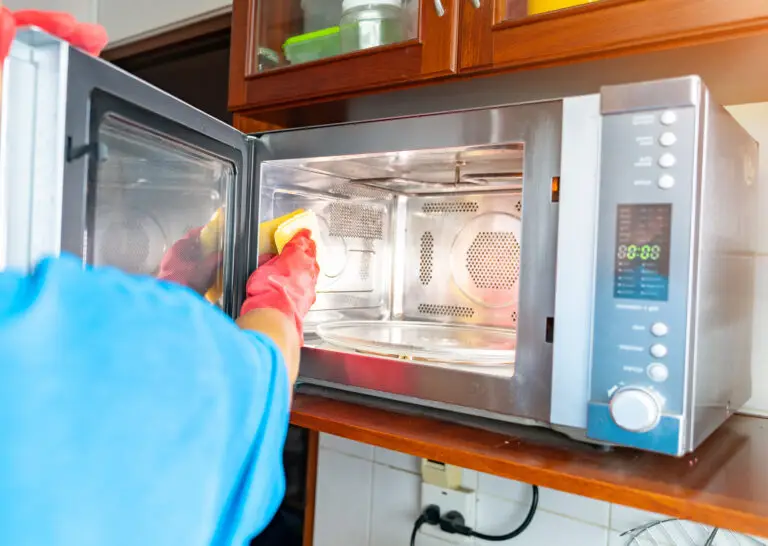
- Small Appliances: Deep-cleaning the microwave (interior and underside), toaster crumb trays, and coffee station sanitization.
2. Cabinetry and Storage
- Top-of-Cabinet Dusting: Removal of the “sticky dust” (grease mixed with dust) that accumulates on top of upper cabinets.
- Interior & Exterior Wiping: Emptying shelves to wipe down interiors and detailing cabinet faces to remove fingerprints and cooking film.
- Pantry Reset: Wiping shelves and checking expiration dates on dry goods.
3. Countertops and Backsplashes
- Surface Sanitization: Moving all items to sanitize the entire countertop area, including the “seam” where the counter meets the wall.
- Grout Detailing: Intensive scrubbing of backsplash grout lines to remove grease splatters.
- Specialized Care: Application of pH-neutral conditioners for natural stone (granite/marble) to restore the Gold Standard shine.
4. The Degreasing Phase
- Range Hood & Filters: Soaking metal mesh filters in a degreasing solution to ensure optimal ventilation airflow.
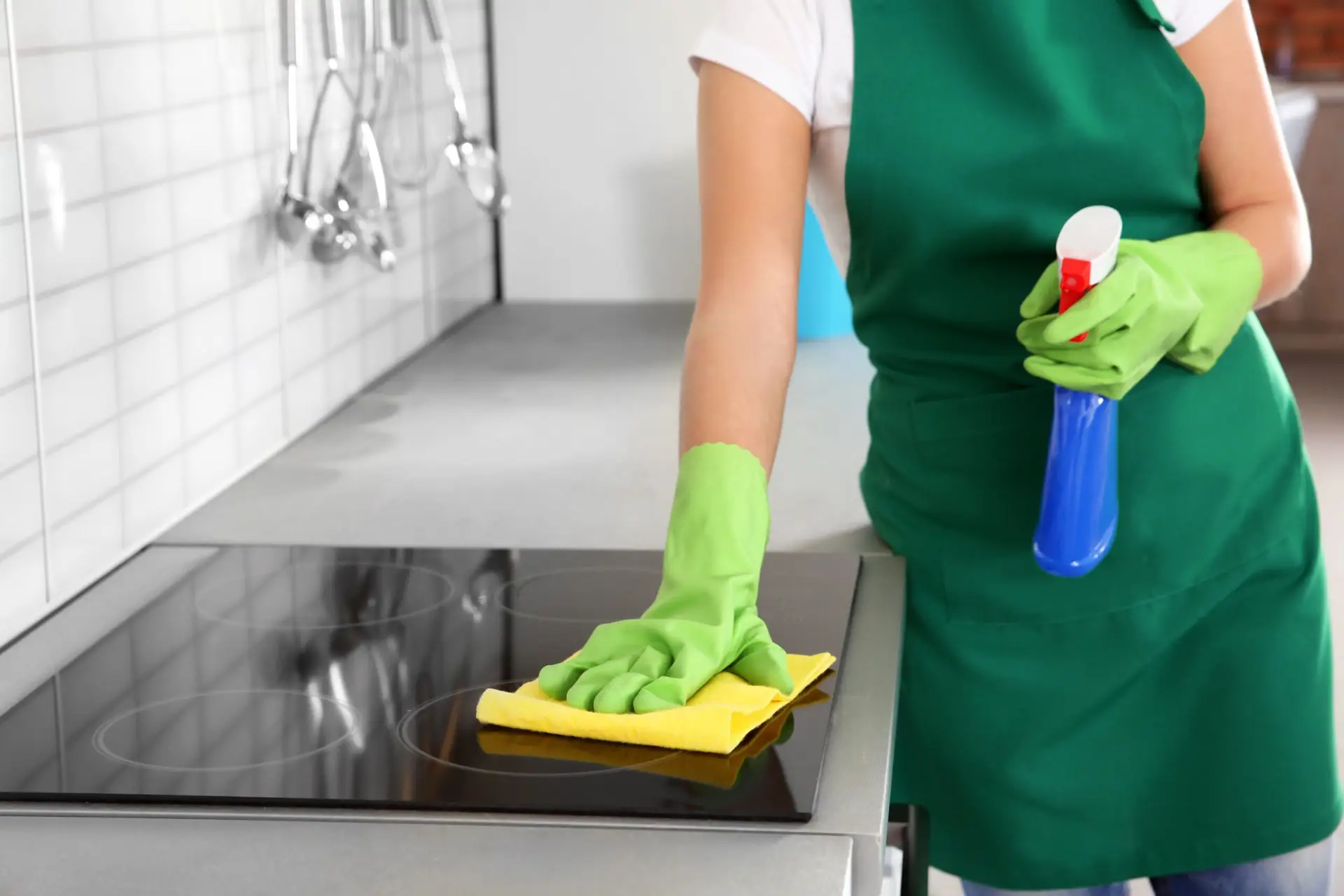
- Stovetop & Knobs: Removing control knobs to clean the grime that settles behind them.
- Back-of-Stove Care: Pulling out the range (if possible) to clean the sides and the floor underneath.
Tips for Best Results: The Jama Method
- The Power of Dwell Time: For heavy grease, apply your cleaning agent and let it sit for 15 minutes. Let the chemistry break down the molecular bonds of the oil so you can wipe it away without abrasive scrubbing.
- Microfiber Science: Use high-GSM microfiber cloths. They are superior to paper towels at trapping microscopic food particles and leaving a streak-free finish on stainless steel.
- Steam Sanitization: For a Gold Standard finish, use dry steam on sink drains and faucet aerators to kill bacteria without harsh chemicals.
FAQ: Professional Kitchen Insights
How often should a kitchen be deep cleaned?
For a Masterpiece home, we recommend a specialist deep clean every 3 to 6 months. If you cook frequently with oils or spices, a quarterly schedule is best to prevent permanent grease staining on your cabinetry.
What is the best way to clean stainless steel?
Always wipe with the grain. Use a pH-neutral cleaner and a microfiber cloth. Avoid “all-purpose” sprays that contain wax, as these create a smeary buildup that attracts fingerprints.
Why does my dishwasher smell?
Odor is usually caused by food debris trapped in the bottom filter or bacteria growing on the door seal. A deep clean targets these specific areas to restore a neutral, fresh scent to your kitchen.
Elevate Your Kitchen with Jama Cleaning
Your kitchen is where your family gathers and your meals are prepared—it deserves the Gold Standard of care. At Jama Cleaning, our specialists bring the technical expertise and high-performance equipment needed to transform your kitchen into a Masterpiece of sanitation. We save you hours of labor and provide the peace of mind that comes with a professionally deep-cleaned home.
- Grease Removal Specialists: Experts in restorative degreasing.
- Health-First Protocols: Non-toxic, food-safe cleaning agents.
- The Jama Standard: Perfection in every detail, from the stove to the baseboards.
Is your kitchen ready for a professional reset? Contact Jama Cleaning today for a specialist deep-cleaning estimate and experience the Gold Standard of kitchen hygiene!