How to Make Beds Properly?
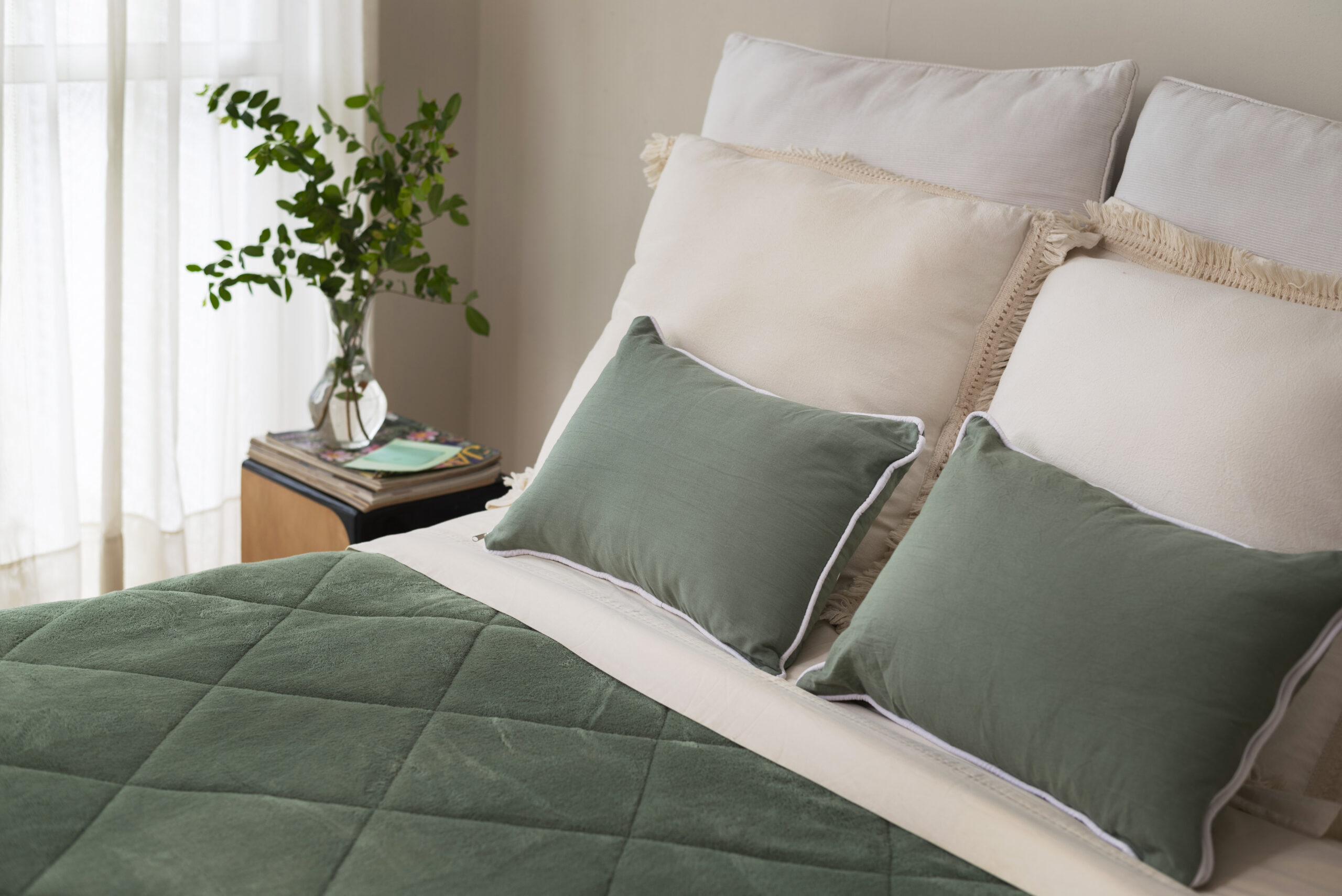
A well-made bed is the centerpiece of a bedroom, signaling order and comfort. In the professional cleaning and hospitality industry, bed-making is considered an art form that combines efficiency with a high-end aesthetic.
Quick Answer: Smooth Layers and Tight Corners Make the Difference
The secret to a “hotel-style” bed lies in the tension of the linens. By eliminating wrinkles through tight tucking and ensuring every layer is perfectly centered, you create a tailored look that feels significantly more luxurious than a loosely thrown-together bed.
Why bed-making affects the look of the entire room
The bed typically occupies the largest amount of visual real estate in a bedroom. If the bed is messy, the entire room feels cluttered, regardless of how clean the floors or surfaces are. Conversely, a crisp, tight bed can make a room look “finished” and professionally staged.
Step-by-Step: How to Make a Bed
Follow this sequence to achieve a professional result every time.
1. Fitted sheet placement
- The Technique: Start by ensuring the mattress protector is smooth. Pull the fitted sheet over one corner, then move diagonally to the opposite corner to create maximum tension.
- Pro Tip: Ensure the seams of the fitted sheet align perfectly with the edges of the mattress. If the sheet is loose, tuck the excess fabric deeply under the mattress.
2. Flat sheet and hospital corners
- Alignment: Lay the flat sheet over the bed with the finished side (the “pretty” side) facing down. This ensures that when you fold the top down, the decorative hem is visible.
- The Hospital Corner: 1. Tuck the end of the sheet firmly under the foot of the mattress.
2. On one side, grab the hanging sheet about 16 inches from the foot of the bed.
3. Lift it up and fold it over the top of the mattress so it forms a 45-degree angle.
4. Tuck the lower hanging part under the mattress.
5. Bring the angled fold back down and tuck it in tightly.
3. Comforter or duvet alignment
- Centering: Drape the comforter or duvet over the bed. Ensure the “overhang” is equal on both the left and right sides.
- The “Fold Down”: Pull the top of the duvet down about 12–18 inches from the headboard. Fold the flat sheet back over the edge of the duvet for a crisp, layered look.
Pillow arrangement tips
- The Chop: For a plush look, “fluff” the pillows by hitting the sides toward the center, then use the side of your hand to create a small indentation (the “karate chop”) at the top center.
- Layering: Place your sleeping pillows flat against the headboard, followed by decorative shams, and finally a lumbar or accent pillow in the front.
How Professionals Make Beds Faster
Efficiency is key when managing multiple rooms or a busy household.
Folding and tucking techniques
Professionals don’t walk around the bed multiple times. They complete one side entirely—tucking the fitted sheet, flat sheet, and aligning the duvet—before moving to the other side. This “one-pass” method saves time and energy.
Consistency across rooms
To maintain a professional standard, use the “hand-width” rule. Ensure the distance from the headboard to the duvet fold is exactly one hand-width (or two) across every bed in the house for a uniform appearance.
Common Bed-Making Mistakes
Wrinkled sheets
Even clean sheets look messy if they are wrinkled. To avoid this without ironing, remove sheets from the dryer while they are slightly damp and put them straight onto the bed. The tension of the tucking will pull the wrinkles out as they finish drying.
Uneven comforters
An uneven duvet is usually caused by the insert shifting inside the cover. Use duvet clips or small safety pins in the inside corners to keep the comforter locked in place.
FAQs
How often should sheets be changed?
In most American households, sheets should be laundered and changed once a week. If you have pets that sleep on the bed or suffer from seasonal allergies, every 4–5 days is recommended to reduce dander and dust mites.
What’s the best way to tuck sheets?
The “Hospital Corner” (detailed above) is the gold standard. It provides a clean, diagonal crease that prevents the sheets from coming untucked during the night.
Do cleaning services make beds?
Yes, most standard residential cleaning services include bed-making. However, many services require the client to leave fresh linens on the bed if they want the sheets changed, otherwise, the cleaners will simply “tidy” the existing linens.
Tired of struggling with fitted sheets and heavy mattresses? Let the pros handle it! Our premium cleaning service doesn’t just scrub floors—we specialize in five-star bedroom staging. We’ll leave your bed looking like it belongs in a luxury boutique hotel, with crisp hospital corners and perfectly fluffed pillows. Book your cleaning today and experience the joy of coming home to a professionally made bed!