How to Clean High-Touch Surfaces in Every Room?
Quick Answer: Clean First, Then Sanitize When Needed
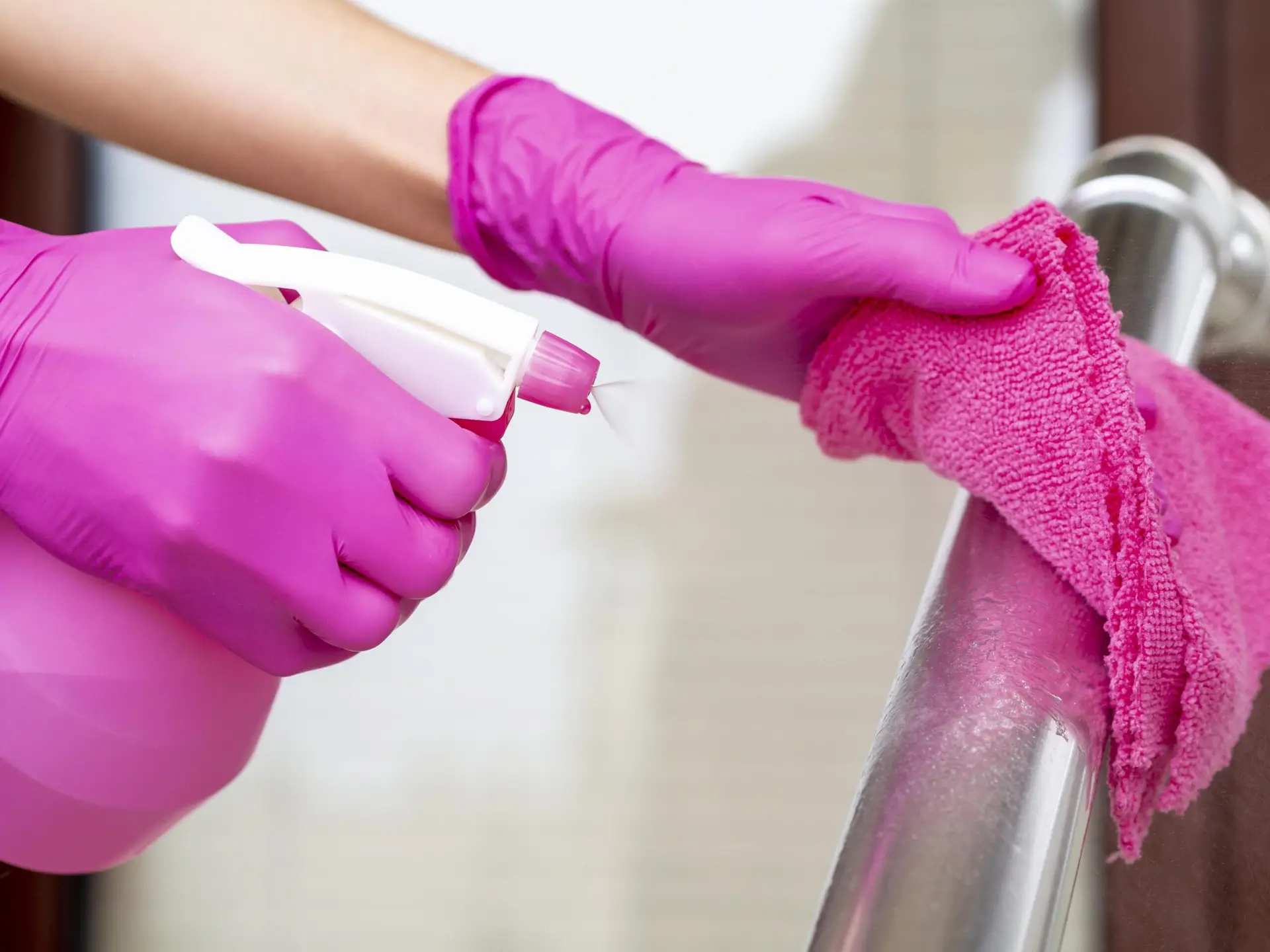
The most effective way to protect your household and reduce the spread of germs is to focus a targeted routine on frequently grabbed objects like doorknobs, light switches, and appliance handles, using a two-step method to physically remove dirt and organic residue first, and applying a registered disinfectant with the proper wet contact time second. Maintaining your home’s main touchpoints keeps indoor spaces healthy year-round.
What Are High-Touch Surfaces?
High-touch surfaces are any fixtures, objects, or buttons that hands grab, press, flick, or pull dozens of times every single day. Because multiple people handle these exact spots constantly, they act as primary highways for transferring bacteria and viruses from person to person. Identifying these points is the first step toward maintaining a truly clean home.
Room-by-Room High-Touch Cleaning Guide
Kitchen
- Refrigerator, oven, and dishwasher handles.
- Cabinet pulls and pantry knobs.
- Faucet levers and soap dispensers.
- Microwave touchpads and toaster buttons.
Bathrooms
- Toilet flush handles and seat covers.
- Sink faucet handles and vanity drawer pulls.
- Shower door knobs and towel bars.
- Bathroom light switches and door handles.
Bedrooms
- Bedside lamp switches and alarm clocks.
- Drawer pulls on dressers and nightstands.
- Closet doors and knobs.
Living Areas
- TV remote controls and gaming controllers.
- Light switch plates and dimmer knobs.
- Front door handles, deadbolts, and handrails.
Home Offices
- Computer keyboards, mice, and desk chairs.
- Desk lamps, phone screens, and charging cables.
- Office door handles and shared supply drawers.
Cleaning vs Sanitizing High-Touch Areas
Understanding the difference between basic cleaning and true disinfection ensures your efforts actually work:
- Cleaning: Uses soap, water, and microfiber cloths to physically lift and remove dirt, dust, and grease from a surface.
- Sanitizing or Disinfecting: Uses chemical agents to lower bacteria or kill pathogenic viruses.
- The Golden Rule: Always clean visible dirt before disinfecting. Disinfectants cannot penetrate layers of grime effectively. Always check product labels to ensure the surface stays visibly wet for the required “contact time.”
How Often Should You Clean Touchpoints?
During cold and flu season, or when someone in the house is sick, high-touch surfaces should be wiped down and disinfected daily. During normal baseline weeks, wiping them down 2 to 3 times a week is usually sufficient to keep bacteria and germ counts under control in a residential setting.
Professional Cleaning for Busy Households
Keeping up with daily touchpoint wiping while managing work, family, and life can be exhausting. To ensure high-risk areas are never neglected, professional support makes maintaining a healthy home effortless. Whether you need a spotless workspace with our professional office cleaning or want to protect your family year-round, integrating targeted disinfecting into our comprehensive regular cleaning plans keeps your environment immaculate and safe.
FAQ
What are the most common high-touch surfaces?
The most common high-touch surfaces include doorknobs, light switches, refrigerator handles, kitchen faucet levers, TV remote controls, and mobile phones.
Should I disinfect high-touch areas daily?
You should disinfect daily if someone in your home is sick, if you have frequent visitors, or during peak cold and flu season. Otherwise, routine cleaning a few times a week is effective for normal maintenance.