How to Clean Grout in Bathroom Floor?
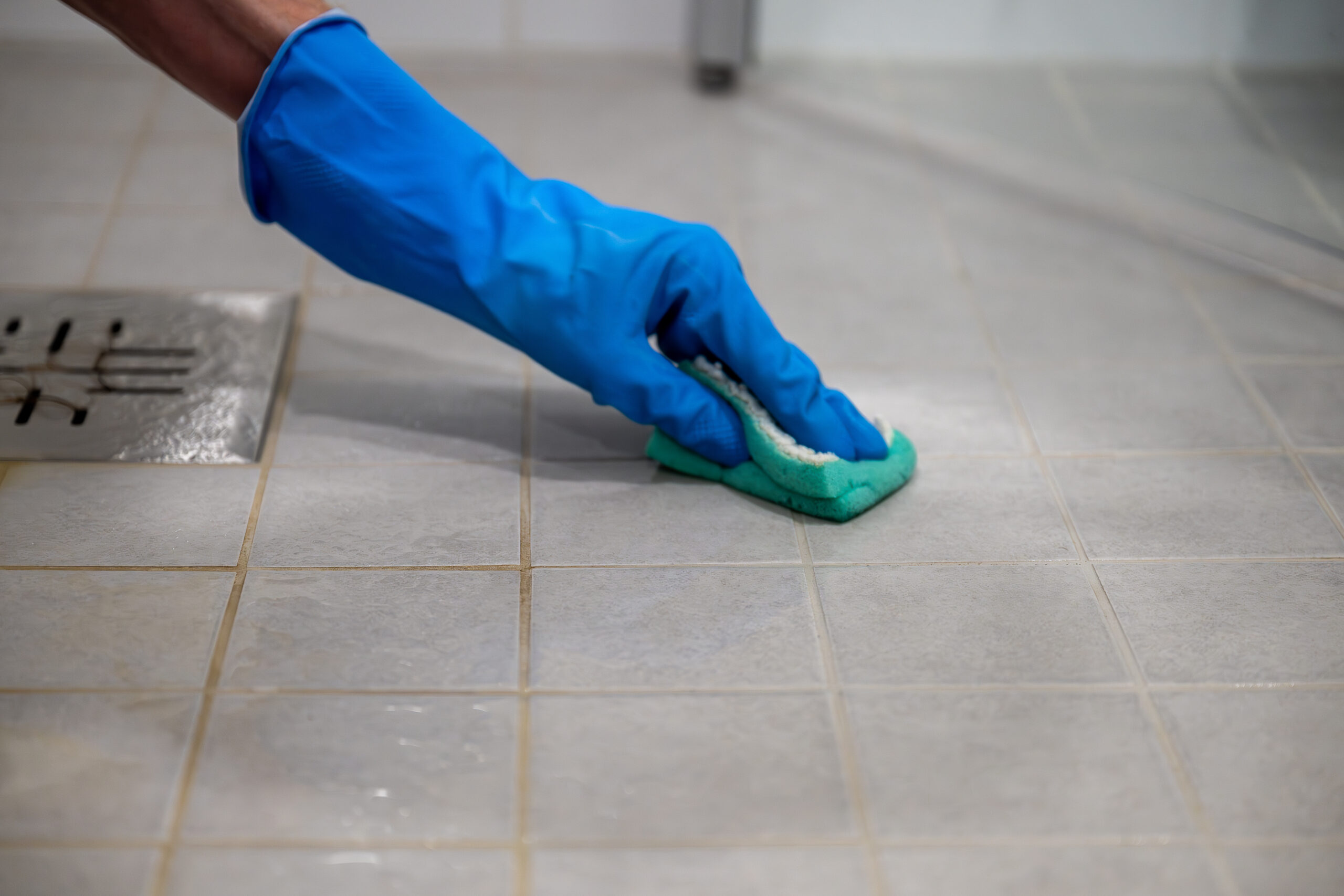
Cleaning bathroom grout is often considered one of the most tedious household chores in American homes, but it is essential for both the longevity of your flooring and the air quality of your home. Because grout is the lowest point between tiles, it naturally acts as a drainage channel for everything from soapy shower runoff to tracked-in dirt, making it a magnet for discoloration.
Quick Answer: Grout Is Porous and Traps Moisture Easily
The fundamental challenge with grout is its composition. Most residential grout used in the US is cement-based, meaning it is essentially a hard, porous sponge. If not perfectly sealed, its microscopic pores absorb liquid, oils, and bacteria. In a bathroom, this means that every time the floor gets wet, the grout pulls that moisture—and the organic matter within it—deep into its structure.
Why bathroom grout stains faster than other rooms
Unlike the kitchen, where grease is the primary enemy, the bathroom floor faces a unique cocktail of “bio-load.” This includes skin cells, hair products, high-pH soaps, and constant humidity. When these substances settle into the porous grout lines, they don’t just sit on top; they provide a food source for bacteria and fungi. Furthermore, many American bathrooms lack sufficient natural ventilation, leading to prolonged drying times that allow stains to set and mold to take root.
Best Way to Clean Bathroom Floor Grout
For most homeowners, the most effective and safest method for routine deep cleaning involves using oxygen-based bleaches rather than harsh chlorine bleach, which can actually degrade grout over time.
Baking soda and hydrogen peroxide method
This “DIY” combination is highly regarded by cleaning professionals for its chemical reaction.
- The Mix: Create a thick paste using 2 parts baking soda and 1 part hydrogen peroxide. You can add a teaspoon of liquid dish soap to help cut through body oils.
- Application: Apply the paste generously to the grout lines. Let it sit for at least 15 to 20 minutes. The hydrogen peroxide acts as a mild oxygen bleach to lift stains, while the baking soda provides a gentle abrasive.
- Rinse: Thoroughly wipe away the paste with a damp microfiber cloth and clean water.
Soft brush technique
While it is tempting to use a stiff wire brush, this can scratch the tile surface or even gouge out the grout itself.
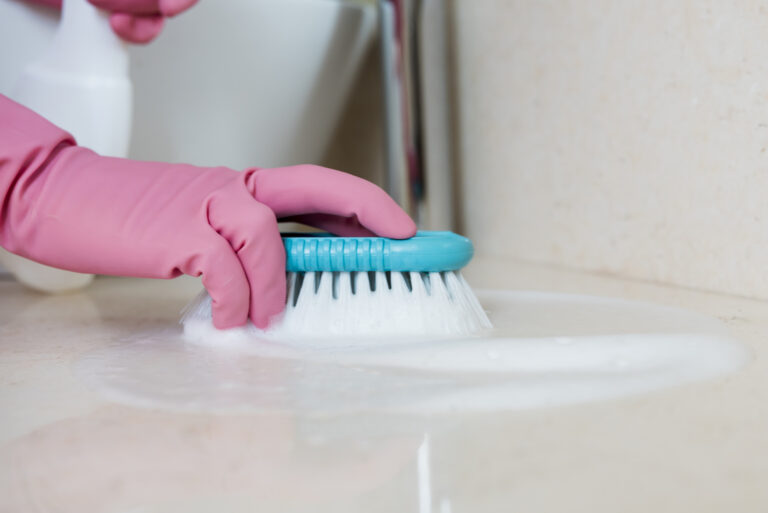
- Tool Tip: Use a dedicated grout brush or an old electric toothbrush. The rapid oscillation of an electric toothbrush is incredibly effective at vibrating the dirt out of the pores without requiring excessive manual pressure. Always scrub in a circular motion to ensure you reach all angles of the textured grout.
Removing Mold and Mildew from Grout
If you see black or green spots, you are dealing with a biological growth that requires more than just soap to remove.
Ventilation and moisture control
The best way to “clean” mold is to prevent it from growing. After a shower, the humidity in a standard US bathroom can spike to over 70%. Ensure your exhaust fan is rated for the square footage of your bathroom (check the CFM rating). Run the fan for at least 20 minutes after every shower. If your grout is constantly damp, no amount of scrubbing will keep it clean.
When stronger cleaners are needed
For stubborn, embedded mold, you may need a specialized alkaline-based grout cleaner or a diluted bleach solution (1 part bleach to 10 parts water).
- Safety Note: Never mix bleach with any other cleaners, especially ammonia or vinegar, as this creates toxic gas. If using professional-grade cleaners, always wear gloves and ensure the bathroom door and windows are open.
How to Keep Bathroom Grout Clean Longer
Sealing grout
In the US, most tile installations use “standard” grout that requires a sealant. A high-quality penetrating sealer should be applied once a year. The sealer fills those microscopic pores, creating a hydrophobic barrier. When you spill water or soap on a sealed floor, it will bead up on top of the grout rather than soaking in.
Weekly maintenance habits
- Squeegee or Dry: After cleaning the floor, don’t let water sit in the grout lines. Use a small squeegee or a dry towel to “chase” the water out of the low spots.
- Neutral Cleaners: Use a pH-neutral cleaner for weekly mopping. Highly acidic or highly alkaline cleaners can strip away the sealer you just applied.
FAQs
Does vinegar damage grout?
Yes, it can. While vinegar is a popular “natural” cleaner, it is an acid. Repeated use of vinegar on cement-based grout will slowly dissolve the minerals in the grout, causing it to become brittle, sandy, and eventually crack. It also strips away protective sealants.
How often should grout be deep cleaned?
In a typical household, a deep scrub of the grout lines should be done every 3 to 6 months. However, if you have a large family or pets, you may need to focus on high-traffic areas every month.
When should grout be professionally cleaned?
If your grout has turned completely black, if there is a persistent musty odor, or if the grout is crumbling, it’s time to call in the pros. Professional services use high-pressure steam extraction that can pull dirt from much deeper than a manual brush can reach, and they can provide professional-grade re-sealing or “color-sealing” to make old grout look brand new.
Tired of spending your weekends on your hands and knees scrubbing grout? Let us do the hard work for you! Our professional grout cleaning and sealing services utilize advanced steam technology to lift years of stains in minutes, leaving your bathroom looking pristine and hygienic. Don’t let mold and grime take over your sanctuary—contact us today for a free estimate and give your bathroom the deep clean it deserves!