How to Clean Mildew Smell from Clothes? (Step-by-Step)
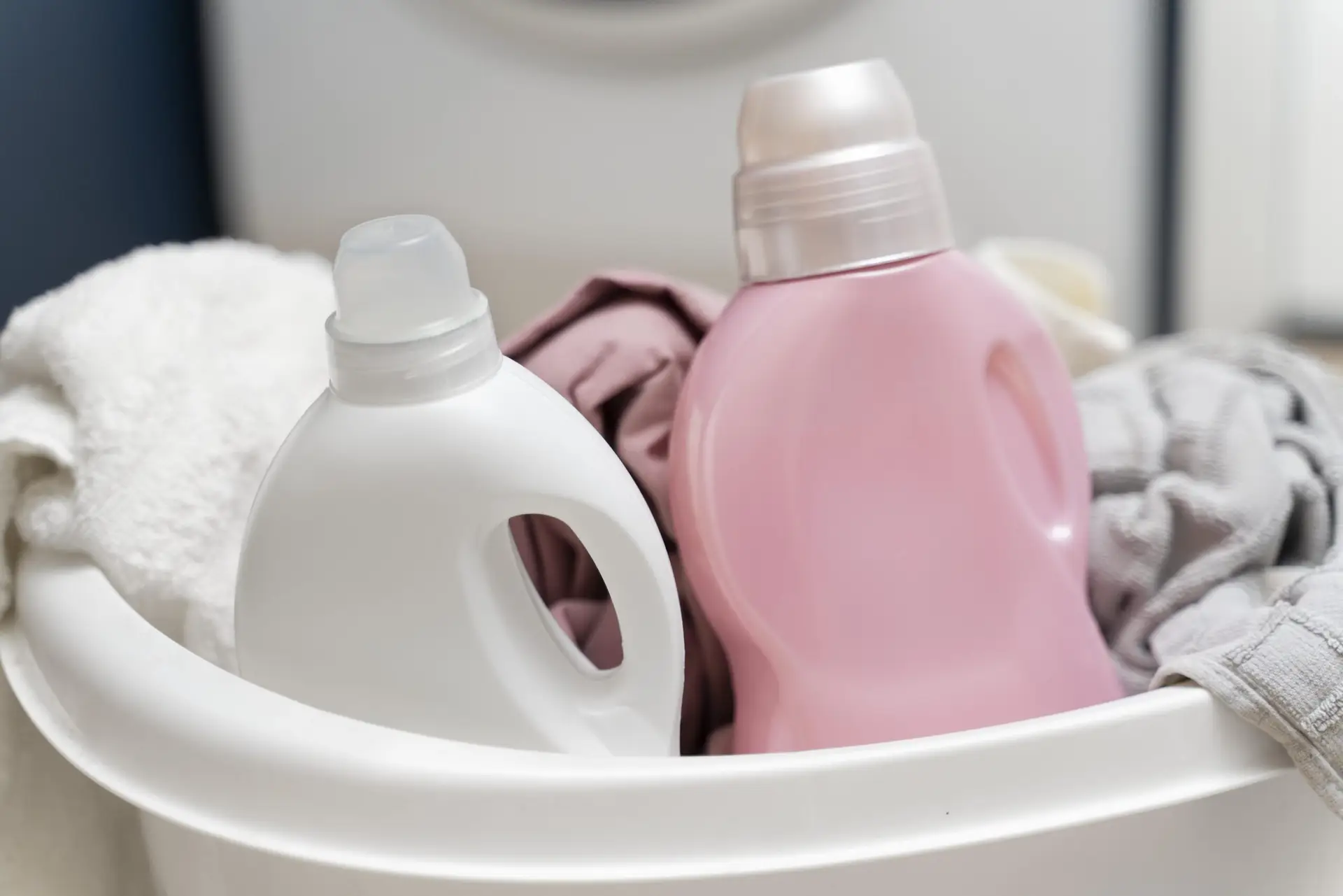
That damp, earthy, and sour scent known as “mildew smell” is a common frustration in American households. It’s not just an unpleasant odor; it is a sign of fungal growth that can irritate sensitive skin and respiratory systems. If your favorite shirt or a load of towels smells like a damp basement, standard detergent often isn’t enough to solve the problem. You need a targeted approach to kill the spores and neutralize the scent.
Why Clothes Develop a Mildew Smell
Understanding the root cause of the odor is the first step in preventing its return. Mildew is a type of mold that thrives in moist, dark, and warm environments.
Leaving clothes in the washer
In the busy flow of modern life, it is easy to forget a load of laundry in the washing machine. When wet clothes sit in the dark, enclosed drum of a washer—especially a front-loader—mold spores can begin to multiply in as little as 24 hours.
Humidity issues
In many parts of the U.S., particularly during humid summers or in coastal regions, high ambient moisture levels prevent clothing from drying completely. If clothes are folded and put away while even slightly damp, mildew will develop inside the closet or dresser.
Poor drying
Using a dryer on a “sensor” setting that leaves heavy seams or waistbands damp, or overcrowding a drying rack, creates pockets of moisture. Without proper airflow, the moisture becomes trapped within the fibers, leading to that characteristic sour smell.
How to Remove Mildew Odor from Clothes
If your clothes already smell, follow these steps to reset the fabric.
Vinegar Wash Cycle
The acetic acid in distilled white vinegar is a powerful disinfectant for mild mold cases.
- The Process: Place the smelly clothes in the washer. Set the machine to the hottest water setting recommended on the garment care label. Add 1 cup of distilled white vinegar directly to the drum or the fabric softener dispenser. Do not add detergent for this first cycle.
Baking Soda Method
If the smell persists after a vinegar wash, a second cycle with baking soda (sodium bicarbonate) can neutralize the remaining acidic odors.
- The Process: Run the load again on a hot cycle, this time adding 1/2 cup of baking soda. This acts as a natural deodorizer and helps “fluff” the fibers back to their original state.
Sun Drying
Whenever possible, hang mildew-prone clothes outside on a clothesline. The ultraviolet (UV) rays from the sun are a natural disinfectant and bleach that can kill remaining mold spores. The fresh air and natural breeze also help carry away lingering odor molecules better than a machine dryer.
Rewash Properly
After the vinegar or baking soda treatments, run a final short cycle with a high-quality detergent to ensure the clothes smell fresh and are free of any residue.
How to Prevent Mildew Smell in the Future
- Transfer Promptly: Set a timer on your phone to remind you to move clothes to the dryer the moment the washer signals its end.
- Leave the Washer Door Open: Especially with HE front-loading machines, leave the door ajar after use to allow the drum to dry out.
- Use Moisture Absorbers: In humid climates, place silica gel packets or moisture-absorbing canisters in your closets.
- Don’t Overload: Ensure there is enough room in both the washer and dryer for water and air to circulate freely.
FAQs
Does hot water kill mildew?
Yes, water temperatures above 140°F (60°C) are generally effective at killing most mold and mildew spores. However, always check your garment’s care label first; some synthetic fabrics or delicates may shrink or damage at high temperatures.
Can mildew ruin clothes permanently?
If left untreated for too long, mildew can lead to “rot,” where the fungus actually eats away at organic fibers like cotton or silk. Additionally, it can cause permanent dark spotting or staining. If the fabric has visible black or green spots that don’t move after a deep clean, the fibers may be permanently damaged.
Should I clean my washing machine?
Absolutely. Frequently, the smell isn’t coming from the clothes, but from a buildup of mold and “scrub” (detergent residue) inside the washer’s outer tub or rubber door seal. Run a “Clean Washer” cycle with a specialized tablet or a cup of bleach once a month.
Professional Cleaning Services in MA
Dealing with persistent mildew in a home can be a sign of larger environmental moisture issues or simply a backlog of laundry that needs professional attention. For residents in Massachusetts, maintaining a fresh and healthy home environment is essential given the changing seasons and varying humidity levels.
Our professional cleaning team in MA offers deep-cleaning services that go beyond the surface. We specialize in sanitizing living spaces and providing laundry support that ensures your home remains a sanctuary, free from allergens and unpleasant odors.
Stop struggling with stubborn odors and reclaim your home’s freshness. Contact our Massachusetts team today for a professional cleaning consultation!