Can You Use Toilet Bowl Cleaner in the Sink?
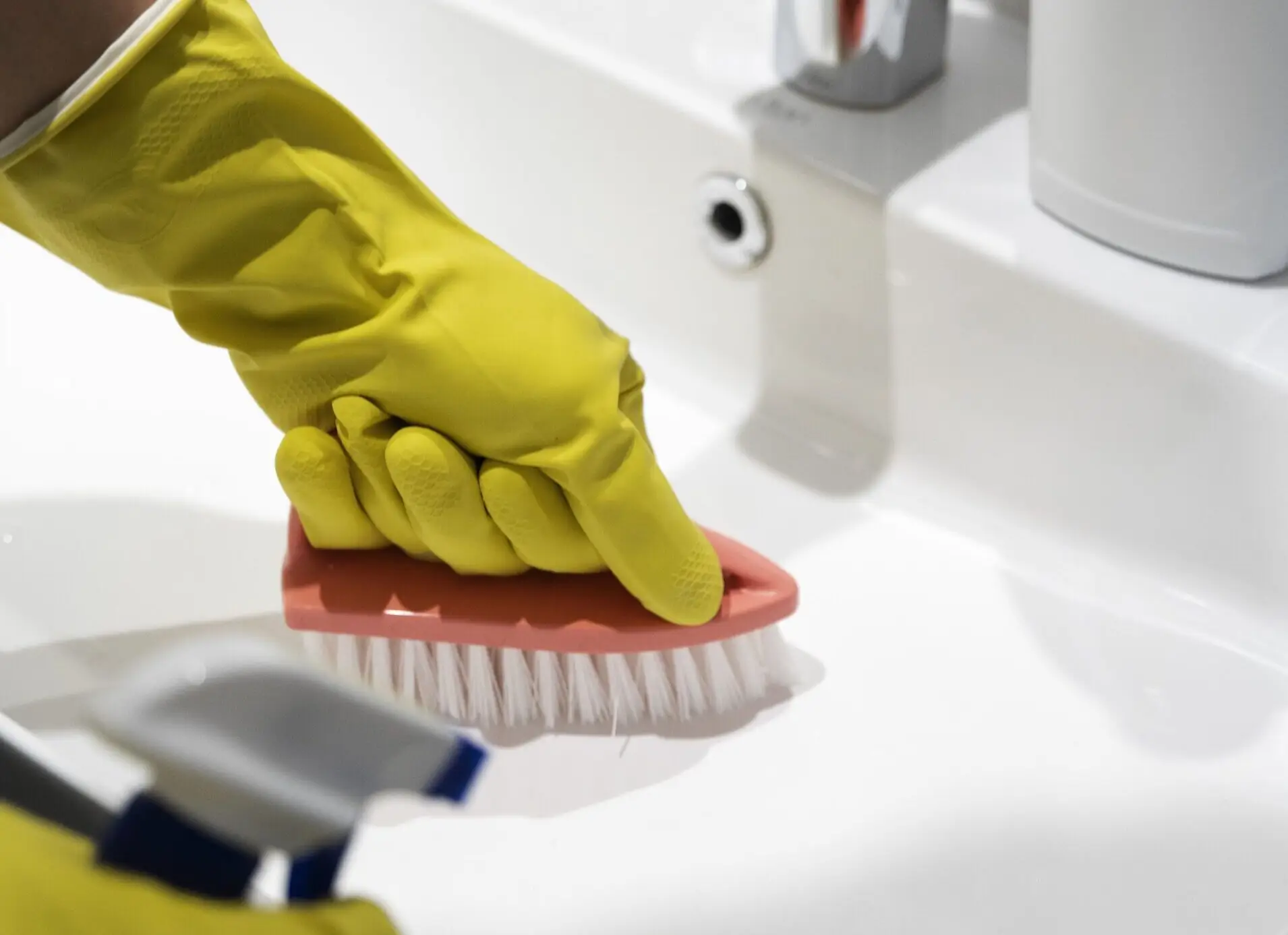
In the pursuit of a spotless home, it is tempting to reach for whatever high-strength disinfectant is within arm’s reach. If it can make a stained toilet sparkle, it should work on a sink, right? Unfortunately, this is a common misconception that can lead to permanent damage.
While both fixtures are designed for water and waste, the materials they are made of—and the chemicals used to clean them—are vastly different.
Quick Answer: Usually Not Recommended—It Can Damage Finishes
The short answer is no. You should avoid using toilet bowl cleaner in your sink. Toilet bowl cleaners are specifically formulated for vitreous china (a very dense, high-fired ceramic) and are meant to stay submerged in water. Sinks are often made of thinner porcelain enamel, stainless steel, or composite materials that cannot withstand the harsh chemistry of a toilet cleaner.
Why toilet cleaners are formulated differently
Toilet bowl cleaners in the U.S. are often formulated to tackle heavy mineral deposits, rust, and “ring” buildup that occurs in standing water. To do this, manufacturers often use high concentrations of hydrochloric acid or other aggressive acidic agents. These chemicals are designed to be diluted by the water already in the toilet bowl. When applied directly to a sink surface, they are far too concentrated and “hot” for the material.
Risks of Using Toilet Cleaner in a Sink
Surface etching and discoloration
Most American kitchen sinks are made of stainless steel, while bathroom sinks are often porcelain-enameled cast iron or acrylic.
- Stainless Steel: The acid in toilet cleaner can cause “flash rusting” or permanent pitting. It eats away the protective chromium oxide layer, leaving dark, cloudy streaks that cannot be buffed out.
- Porcelain Enamel: Unlike the thick glaze of a toilet, sink enamel is thinner. Acidic cleaners can “etch” the surface, making it feel rough to the touch and causing it to lose its shine. Once etched, the sink will actually stain faster in the future because the surface is now porous.
Fumes and ventilation concerns
Toilet cleaners are designed for use in a bowl with a large opening and a specific water-to-chemical ratio. Using them in a shallow sink increases the surface area of the chemical, leading to rapid off-gassing. In the small, often poorly ventilated spaces of a typical residential bathroom, these fumes can become overwhelming and irritate the respiratory system or eyes.
Plumbing and safety risks
Mixing cleaning products is one of the most dangerous mistakes a homeowner can make. If there is any residue of a bleach-based cleaner in your sink drain and you pour an acidic toilet bowl cleaner on top of it, the reaction can create chlorine gas, which is toxic even in small amounts. Additionally, the high acidity can damage the rubber gaskets and seals inside your sink’s P-trap or garbage disposal.
What to Use Instead (Safer Options)
Mild dish soap for daily cleaning
For 90% of sink cleaning needs, a high-quality grease-cutting dish soap and warm water are sufficient. This removes food particles and oils without compromising the integrity of the finish.
Non-abrasive cleaners for stains
If you are dealing with tough scuffs or mineral spots:
- Baking Soda Paste: A mixture of baking soda and a little water provides a gentle abrasive action that lifts stains without scratching.
- Cream Cleaners: Products like Soft Scrub (without bleach) or Bar Keepers Friend (specifically the liquid version for stainless steel) are engineered to be effective yet safe for sink surfaces.
Disinfectants used as directed
If your goal is to sanitize (especially in the kitchen after handling raw meat), use an EPA-registered disinfectant spray specifically labeled for “hard, non-porous surfaces.” Always follow the “dwell time” (how long the product must stay wet on the surface) listed on the label.
If You Already Used It—What to Do
Rinse thoroughly and ventilate
If you have just applied toilet bowl cleaner to your sink, stop immediately.
- Flush the area with large amounts of cold water for at least 5 minutes to neutralize the acid.
- Turn on the bathroom fan or open nearby windows to clear the air.
- Dry the surface completely with a microfiber cloth to see if any etching has occurred.
Avoid mixing with bleach/ammonia/vinegar
Do not attempt to “neutralize” the cleaner with other household chemicals like vinegar or ammonia. The safest neutralizing agent is simply a large volume of plain water or a very mild solution of baking soda and water.
FAQs
Will toilet bowl cleaner ruin a stainless steel sink?
Yes, it very likely will. The hydrochloric acid reacts almost instantly with the metal. Even if it looks okay at first, you may notice dark grey spots or “rainbow” streaks appearing within hours.
Is it okay for a bathroom sink but not a kitchen sink?
No. While a bathroom sink is more likely to be made of ceramic, it is still not the same grade as a toilet. The metal pop-up drain assembly in a bathroom sink is particularly vulnerable to corrosion from toilet cleaners.
What removes tough sink stains safely?
For rust stains, use a product containing oxalic acid (like Bar Keepers Friend). For hard water spots, a 50/50 mixture of white vinegar and water is effective and much safer than industrial-strength toilet acids.
Protecting the investment you’ve made in your home starts with using the right tools for the job. At Jama Cleaning, our professional teams are trained in the science of surface care—knowing exactly which products to use on stainless steel, stone, and porcelain to ensure a deep clean without the risk of damage. Let us take the guesswork out of your home maintenance. Contact Jama Cleaning today for a professional touch that keeps your home sparkling and safe.